
 Emma Jantzen
 Explore Atlanta: A Local Guide to the BeltLine, Neighborhoods, Food & Culture
Atlanta’s mix of southern charm, rapid growth, and creative energy keeps it compelling for residents and visitors alike. From trails and parks to a booming food and film scene, the city offers a range of experiences that reward exploration beyond the usual tourist stops.
BeltLine and green corridors
The BeltLine trail has reshaped how Atlantans move and gather. Stretching through multiple neighborhoods, its combination of walking and biking paths, public art, and pocket parks creates accessible greenspace and connects destinations like restaurants, galleries, and small businesses. Using the BeltLine is one of the best ways to see how urban redevelopment and community-led projects coexist — but it’s also a reminder to plan visits around peak pedestrian and cyclist hours, when paths can fill up.
Transit and getting around
Traffic is a familiar reality, so leaning on public transit and micro-mobility options can change the experience. MARTA rail and bus service link key neighborhoods and the airport, while scooters and bike-share programs cover shorter hops. For many trips, combining transit with a short walk or a BeltLine ride is faster and less stressful than driving and parking downtown.
Neighborhoods to explore
Each Atlanta neighborhood carries its own personality. Midtown blends cultural institutions with high-rise energy; Old Fourth Ward and Inman Park showcase restored homes, local shops, and access to the BeltLine; West Midtown has a creative-industrial vibe with design studios and food halls; and East Atlanta Village offers a lively, music-forward scene. Exploring on foot reveals independent bookstores, coffee shops, and mural-covered alleys that don’t make every guidebook.
Food and drink scene
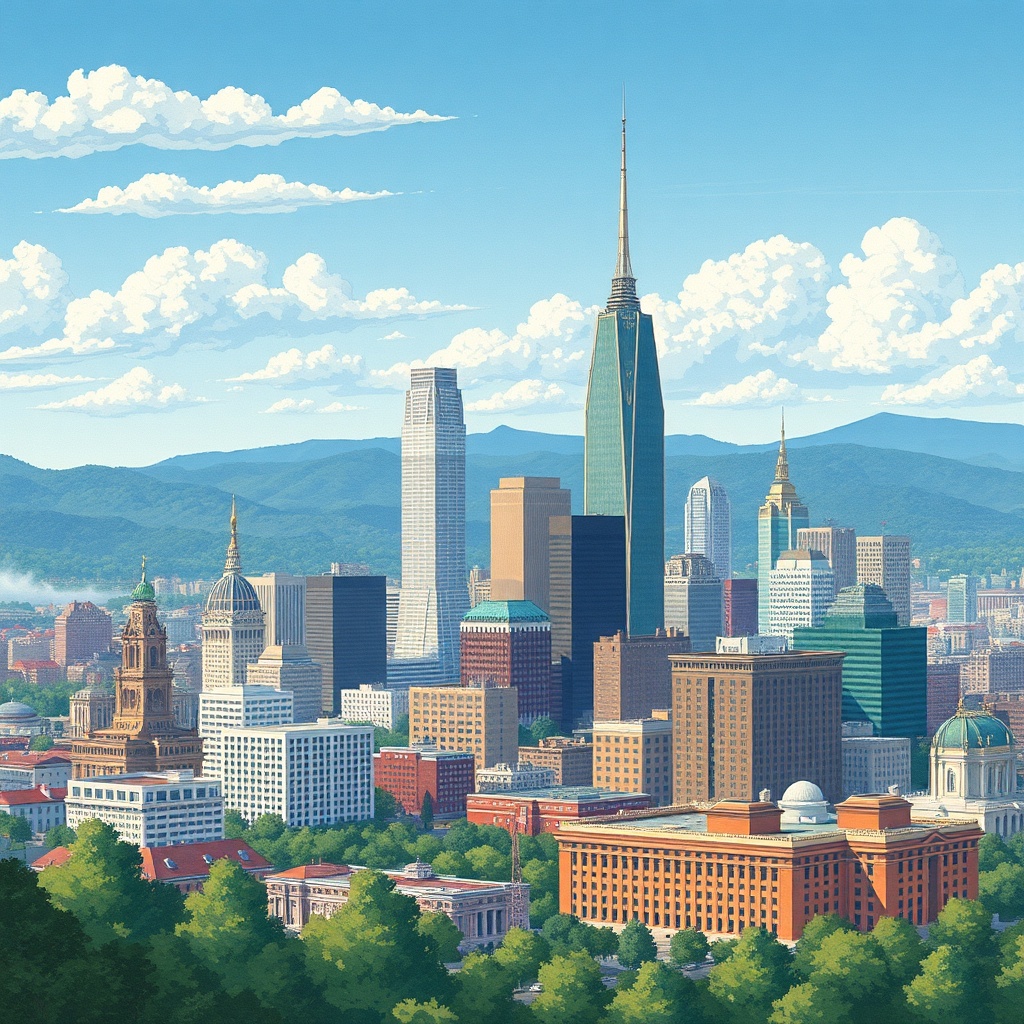
Atlanta’s culinary scene mixes classic Southern comfort with global flavors and inventive fine dining. Farmers markets and farm-to-table restaurants emphasize local sourcing, while food halls and pop-up kitchens have expanded options in dense neighborhoods. For a relaxed outing, look for neighborhoods with walkable restaurant clusters and rooftop bars that capitalize on skyline views.
Creative industries and culture
Film and television production, live music, and a strong arts community contribute to a creative economy that supports studios, galleries, and performance venues. Public art projects and neighborhood festivals help keep the cultural calendar lively.
Checking local listings and community calendars can uncover concerts, gallery openings, and street markets that provide a more authentic feel than standard tourist events.
Parks, recreation, and climate resilience
Piedmont Park and other urban parks offer large open spaces for running, picnics, and festivals, while smaller community parks provide quieter retreats. With weather patterns trending more extreme, many civic projects emphasize flood mitigation and green infrastructure, transforming stormwater management into attractive public amenity when possible.
Housing and community dynamics
Rapid development has boosted housing options but also raises concerns about affordability and displacement. Engagement with neighborhood associations and community development organizations is increasingly important for anyone interested in long-term living or investing in the city, helping ensure projects respect local history and needs.
Practical tips for visitors and new residents
– Use public transit and plan around rush hours.
– Rent a bike or use the BeltLine to explore multiple neighborhoods in one day.
– Book popular restaurants and attractions in advance.
– Follow local community calendars to find neighborhood markets, performances, and pop-ups.
Atlanta remains a city of contrasts — historic streets and modern towers, established institutions and experimental pop-ups — where thoughtful exploration rewards curiosity and openness to discovery.