
 Emma Jantzen
 Magnolia Trees: The Complete Guide to Choosing, Planting, and Caring for Showy Blooms
Magnolia trees bring bold blooms, heady fragrance, and architectural presence to landscapes.
Whether planting a compact star magnolia on a small lot or a stately Southern magnolia as a focal point, understanding species, site selection, and basic care will help these showstoppers thrive.
Why magnolias are popular
– Spectacular flowers: Cups, saucers, and star-shaped blossoms open before or during leaf-out on many varieties, creating dramatic displays.
– Fragrance and wildlife value: Many magnolias are highly fragrant and attract pollinators.
Seed pods later provide interest and food for birds.
– Variety of habits: From small, multi-stem shrubs to large evergreen trees, there’s a magnolia for most garden sizes and climates.
Choosing the right magnolia
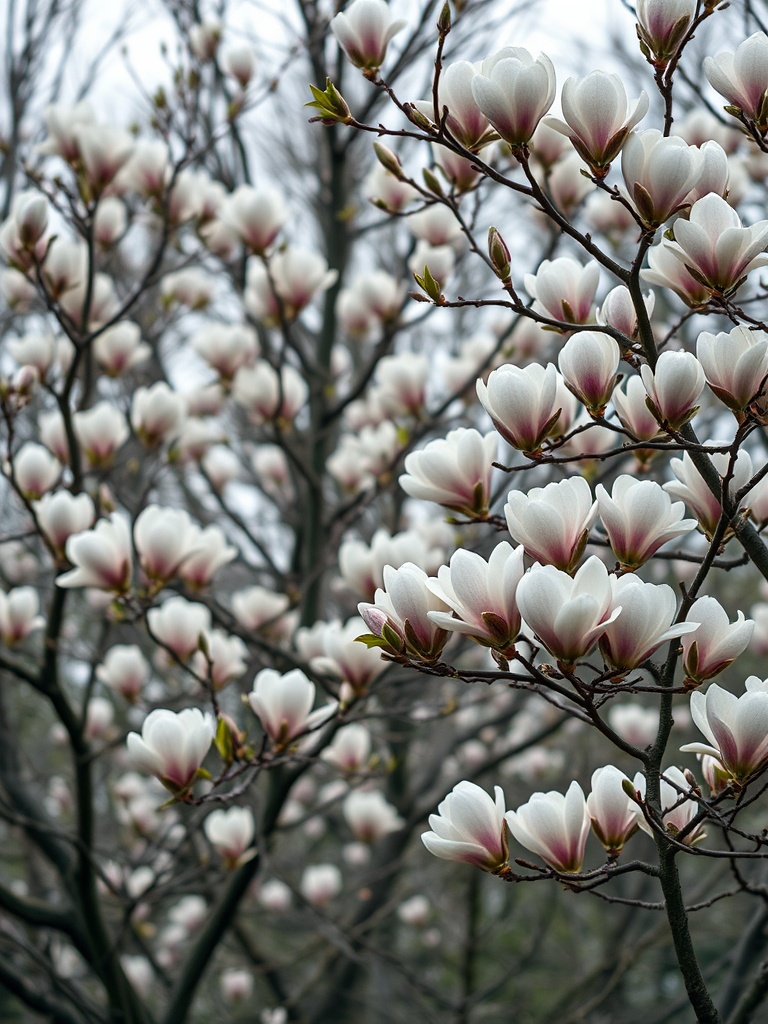
Match size and form to the site.
Deciduous flowering types like saucer (Magnolia × soulangeana) and star (Magnolia stellata) are ideal for small gardens and under-powerline planting because of their compact crowns. Evergreen Southern magnolia (Magnolia grandiflora) and cucumber tree (Magnolia acuminata) suit larger spaces and provide year-round foliage. Consider bloom time, cold tolerance, and mature spread when selecting a cultivar.
Planting and site tips
– Sun and soil: Most magnolias prefer full sun to part shade and rich, well-draining soil.
They tolerate slightly acidic to neutral pH.
– Planting depth: Dig a hole as deep as the root ball but at least twice as wide. Set the root flare at or just above soil level to prevent suffocation and rot.
– Mulch and root care: Apply 2–4 inches of organic mulch, keeping it slightly away from the trunk.
Magnolias have shallow roots, so avoid deep cultivation and competing turf near the base.
Watering, feeding, and maintenance
– Water deeply and regularly while establishing, typically once a week during dry spells. Mature specimens are more drought-tolerant but benefit from supplemental watering in prolonged heat.
– Fertilize lightly with a balanced slow-release fertilizer in spring for poor soils; avoid heavy nitrogen applications that promote foliage over blooms.
– Prune sparingly. For spring-blooming species, prune immediately after flowering to preserve next season’s buds. Remove dead, crossing, or weak branches and shape lightly; magnolias do not respond well to hard cutting.
Pests and diseases
Common issues include scale insects, leaf spot, and powdery mildew. Good cultural practices—proper spacing for air circulation, clean-up of fallen leaves, and prompt removal of infested wood—reduce problems. Horticultural oil or specific insecticidal treatments help control scale. If persistent disease appears, consult local extension resources for recommended fungicides and management strategies.
Propagation and special considerations
Magnolias can be grown from seed, but seedlings may take many years to flower and vary from the parent. Semi-hardwood cuttings or grafted nursery stock are faster ways to get reliable flower types. Protect buds and tender shoots from late frost in sensitive cultivars and provide winter wind protection for younger plants in exposed sites.
Landscape use and companion planting
Use magnolias as specimen trees, focal points at an entry, or as part of a mixed shrub border.
Pair with acid-loving companions like rhododendrons, azaleas, and camellias that appreciate similar soil and moisture regimes. For smaller gardens, select dwarf or multi-stem varieties that offer the magnolia look without overwhelming the space.
With basic attention to site, soil, and pruning timing, magnolia trees reward gardeners with long-lasting beauty, fragrance, and seasonal interest. Plant thoughtfully and let their blooms take center stage.