
 Emma Jantzen
 The Ultimate Guide to Magnolia Trees: Choosing, Planting, and Caring for Showy Blooms
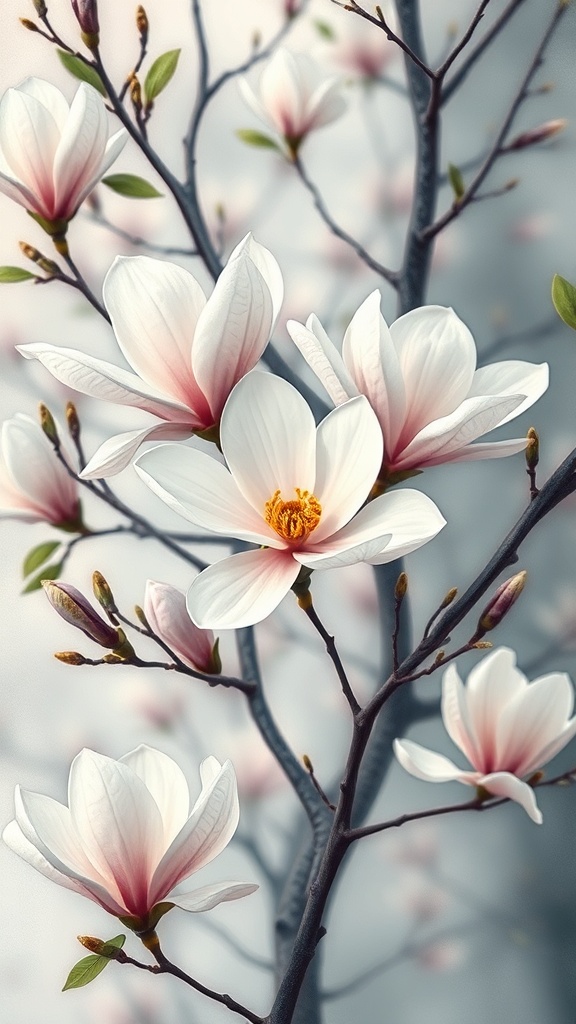
Magnolia trees remain a standout choice for gardeners and landscapers who want dramatic blooms, glossy foliage, and a sense of timeless beauty. From compact saucer magnolias with their bowl-shaped flowers to stately evergreen southern magnolias with huge, fragrant blooms, these trees offer options for many sites and styles.
Choosing the right variety
Deciduous magnolias (like saucer and star types) put on spectacular spring displays, often before the leaves emerge, while evergreen magnolias provide year-round structure and glossy leaves that can be used as privacy screens or specimen plants. Dwarf and columnar cultivars make magnolias accessible for small yards and urban gardens, and many hybrids have been selected for disease resistance and repeat flowering.
Site and soil essentials
Most magnolias prefer full sun to light afternoon shade and well-draining, slightly acidic to neutral soil. They do not tolerate waterlogged roots, so avoid low spots or compacted soil.
Amending the planting hole with organic matter improves drainage and root establishment. When planting, position the root flare at or just above the finished soil level to prevent burying the trunk, which can invite rot.
Watering, mulching, and feeding
Newly planted magnolias need consistent moisture while roots establish. Deep, infrequent watering encourages healthy root growth. Apply a layer of mulch several inches thick around the root zone, keeping it a few inches away from the trunk to prevent crown rot. A slow-release, balanced fertilizer applied in spring supports growth, but avoid over-fertilizing, which can reduce flowering and make trees leggy.
Pruning and maintenance
Magnolias generally need minimal pruning.
For spring-flowering species, prune soon after flowering so that next season’s buds are not removed. Remove dead, crossing, or damaged branches at the collar, and avoid heavy shearing that spoils the natural form.
Evergreen varieties can be lightly pruned for shape any time of year, but major cuts recover best when timed with active growth.
Pests, diseases, and prevention
Scale insects, aphids, and occasional caterpillars can affect magnolias; many infestations are manageable with targeted treatments or beneficial insects. Good cultural practices—proper siting, avoiding overhead irrigation, and maintaining soil health—reduce susceptibility to fungal leaf spots and root diseases. For chronic problems, select cultivars known for resistance, and consult local extension resources for region-specific guidance.
Propagation and practical uses
Magnolias can be grown from seed, but hybrids may not come true to type; grafting or propagation by cuttings is preferred for preserving specific cultivars. Use magnolias as dramatic specimen trees, focal points in mixed borders, or as evergreen screens. Their large, fragrant flowers and sturdy petals also make them excellent choices for cut-flower arrangements.
Climate and longevity
Many magnolia species are adaptable across a range of climates, but matching the variety to local conditions is essential. Some types tolerate coastal salt exposure, others prefer inland sites with consistent moisture.
With proper care, magnolias can be long-lived and become treasured parts of the landscape, offering seasonal interest, wildlife habitat, and enduring charm.
Practical planting checklist
– Choose a cultivar suited to your space and climate.
– Plant in well-draining, organically rich soil with good light.
– Mulch to conserve moisture, leaving space at the trunk.
– Water deeply and regularly during establishment.
– Prune sparingly and at the right time for bloom preservation.
A well-chosen magnolia will reward patience with memorable blooms and sculptural presence, making it one of the most satisfying trees to add to a garden palette.