
 Emma Jantzen
 Ultimate Magnolia Tree Guide: Varieties, Planting, Care & Landscaping Tips
Magnolia Tree Guide: Care, Varieties, and Landscaping Tips
Magnolia trees are prized for showy, often fragrant blooms, glossy foliage, and a timeless presence in landscapes. Whether you’re planting a stately evergreen or a delicate flowering magnolia, understanding site selection, care, and common problems helps ensure long-lasting beauty and strong blooms.
Choosing the right magnolia
– Evergreen magnolias (often called southern magnolias) keep glossy leaves year-round and produce large, fragrant flowers. They make excellent specimens or foundation trees.
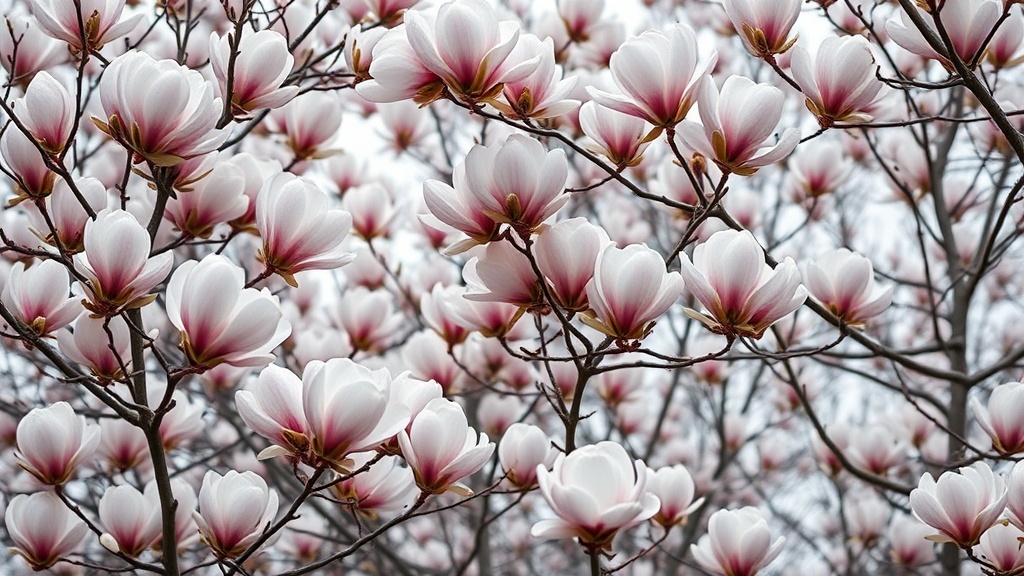
– Deciduous flowering types (such as saucer and star magnolias) offer dramatic early-season flowers in shades of white, pink, and purple, followed by attractive branching through the growing season.
– Dwarf and compact cultivars work well in smaller yards and large containers, bringing magnolia charm to patios and tight spaces.
Match the species to your climate and space: some magnolias tolerate colder, temperate climates, while others thrive in warmer, humid conditions.
Planting and site requirements
Select a location with well-draining soil and protection from harsh winds. Most magnolias prefer full sun to partial shade; flowering species often produce the best blooms with at least several hours of direct sun. Dig a planting hole wider than the root ball and only as deep as it was in the nursery container to avoid planting too deep. Backfill with native soil, firm gently, and water thoroughly to settle roots.
Watering and mulching
Young magnolias need consistent moisture while establishing roots. Deep, infrequent watering encourages deeper root growth—water enough to keep the soil evenly moist but not waterlogged. Apply a 2–3 inch layer of organic mulch around the root zone, keeping mulch pulled a few inches away from the trunk to prevent rot. Mulch helps retain moisture, regulate soil temperature, and reduce weeds.
Fertilizing and pruning
Most magnolias need only modest feeding.
Use a balanced, slow-release fertilizer applied to the root zone in early growth stages if soil is poor or growth is slow. Avoid heavy nitrogen late in the season, which can encourage tender growth susceptible to cold or stress.
Prune sparingly. Many magnolias form an attractive natural shape and respond poorly to heavy pruning. For deciduous magnolias, prune immediately after flowering to avoid cutting off next season’s buds. For evergreen types, any corrective pruning is best done late in the growing season with small, selective cuts.
Pests and diseases
Common issues include scale insects, aphids, and certain fungal diseases.
Magnolias are ancient, beetle-pollinated plants, and their flowers may attract pollinators and occasional beetles.
Monitor for scale and treat early with horticultural oil or targeted insecticidal products when infestations appear. Good air circulation, proper watering, and clean-up of fallen debris reduce fungal risks.
For persistent problems, consult a local extension office or professional arborist for diagnosis and treatment options.
Landscape uses and benefits
Magnolias make striking focal points in mixed borders, provide summer shade, and add fragrance along walkways. Their flowers attract pollinators and their dense foliage offers shelter for birds. Compact varieties are excellent for urban gardens or container planting, while larger species serve as classic specimen trees.
With the right selection and simple, consistent care, magnolia trees reward gardeners with timeless beauty, rich fragrance, and seasonal drama that elevate any landscape. Consider your site, pick a suited variety, and enjoy the reward of magnolia blooms and foliage year after year.