
 Emma Jantzen
 Bayou Life Guide: Wildlife, Food, Kayaking & Conservation Tips
A stroll through the bayou feels like stepping into a living postcard: cypress knees punctuating glassy water, dragonflies skimming the surface, and a chorus of frogs and birds that never seems to pause. Bayou life blends rich ecology, resilient communities, and a culture grounded in fishing, food, music, and deep knowledge of the waterway rhythms.
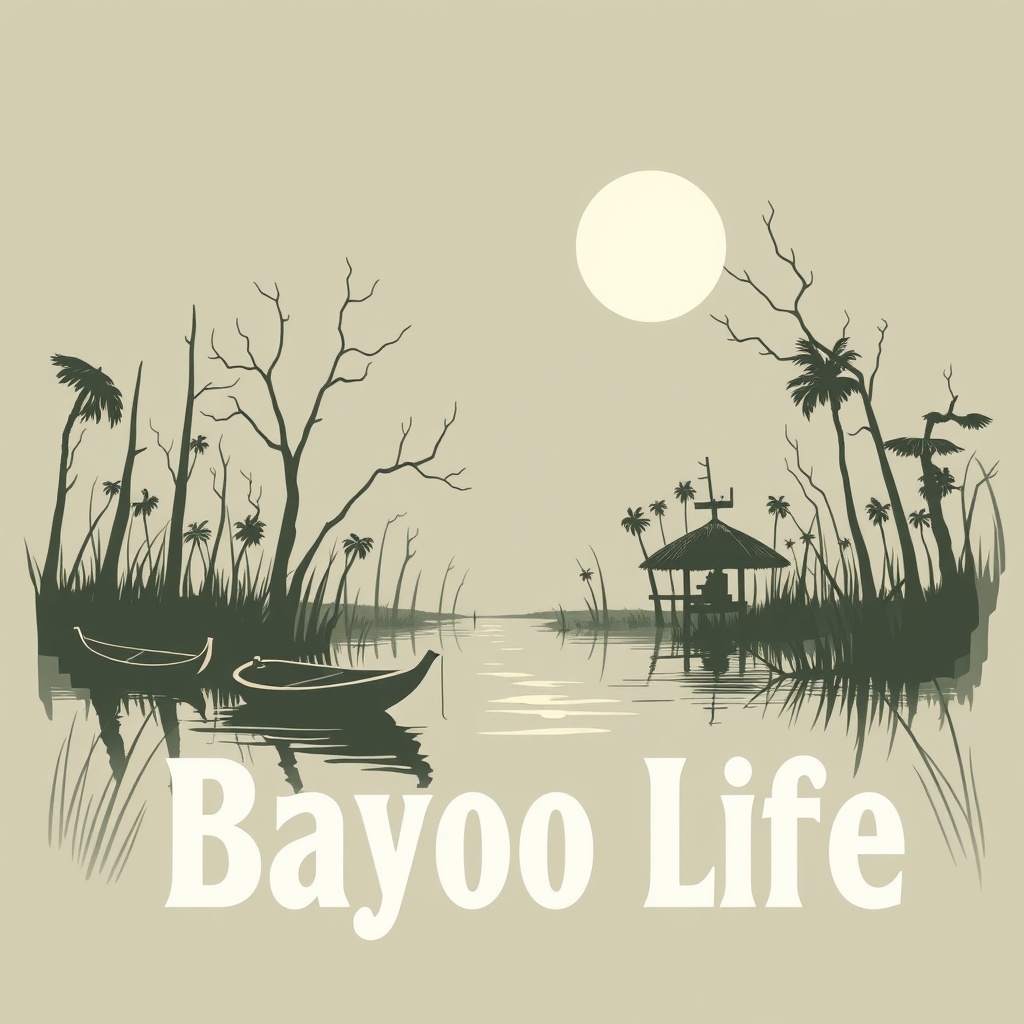
Ecosystem essentials
Bayous are slow-moving backwaters and wetlands that act as natural filters and storm buffers. Their marshes and cypress-tupelo swamps trap sediment, reduce flood impacts, and provide nursery habitat for fish and crustaceans. The vegetation—spatterdock, pickerelweed, and various sedges—supports insect and bird populations while stabilizing shorelines. These systems are dynamic: water clarity, salinity, and plant communities shift with tides, freshwater inputs, and weather, so learning local patterns is part of bayou living.
Wildlife to watch for (and respect)
Birdwatchers can expect herons, egrets, ibises, and migratory songbirds.
Reptiles like turtles and water snakes are common; alligators inhabit many bayous, and they deserve respect and distance.
For anglers, species such as bass, catfish, and redfish provide steady action. Photograph wildlife quietly and avoid feeding animals—interacting unnaturally can harm their survival instincts and health.
Recreation and etiquette
Kayaking and small-boat travel offer intimate ways to explore narrow channels.
Paddle quietly, keep to marked routes, and yield to larger vessels. Birding, eco-tours, and guided fishing trips are great ways to learn local lore and habitat sensitivity. Pack out trash, use biodegradable products when possible, and avoid trampling vegetation along banks. If foraging—shrimping, crabbing, or harvesting oysters—always check local regulations and size or catch limits to support sustainable harvests.
Food and culture
Bayou cuisine is a sensory celebration. Staples like gumbo, jambalaya, crab boils, and po’boys originated from the intersection of indigenous, French, African, and Spanish influences. Roux, aromatic trinity (onion, celery, bell pepper), and spices like cayenne and paprika create bold flavors. Fresh-caught shrimp and crab, smoked andouille, and seasonal vegetables translate bayou bounty into meals that celebrate place and tradition.
Practical tips for safe bayou outings
– Wear a life jacket in small boats and while paddling narrow channels.
– Protect against insects with permethrin-treated clothing and EPA-approved repellents, and consider headnets at dawn and dusk.
– Bring a waterproof map, compass or GPS, and a fully charged phone in a dry bag—cell service can be intermittent.
– Check weather forecasts and local advisories; water conditions can change rapidly after heavy rains.
– Practice catch-and-release when appropriate and comply with licensing rules.
Conservation and community action
Healthy bayous depend on local stewardship. Restoring native vegetation, supporting living shoreline projects, and reducing nutrient runoff from lawns and farms help improve water quality and wildlife habitat. Community science initiatives—reporting sightings, monitoring water quality, or participating in shoreline cleanups—connect residents and visitors to the work of preserving these places.
Why it matters
Bayou life is an interwoven story of natural abundance and human adaptation. Protecting these wetlands safeguards biodiversity, cultural heritage, and resilience against storms and erosion.
Whether you’re paddling through a quiet cypress stand, savoring a shrimp boil with neighbors, or helping plant marsh grass, engaging respectfully with the bayou rewards you with deep, lasting connection to one of the most productive landscapes on the continent.