
 Emma Jantzen
 Complete Guide to Magnolia Tree Care: Planting, Watering, Pruning & Best Varieties
Magnolia trees bring bold blooms, glossy foliage, and lasting presence to home landscapes.
Whether you prefer the tropical feel of an evergreen southern magnolia or the delicate, early-spring flowers of a saucer or star magnolia, understanding their needs helps these trees thrive and become garden showpieces.
Why magnolias are garden favorites
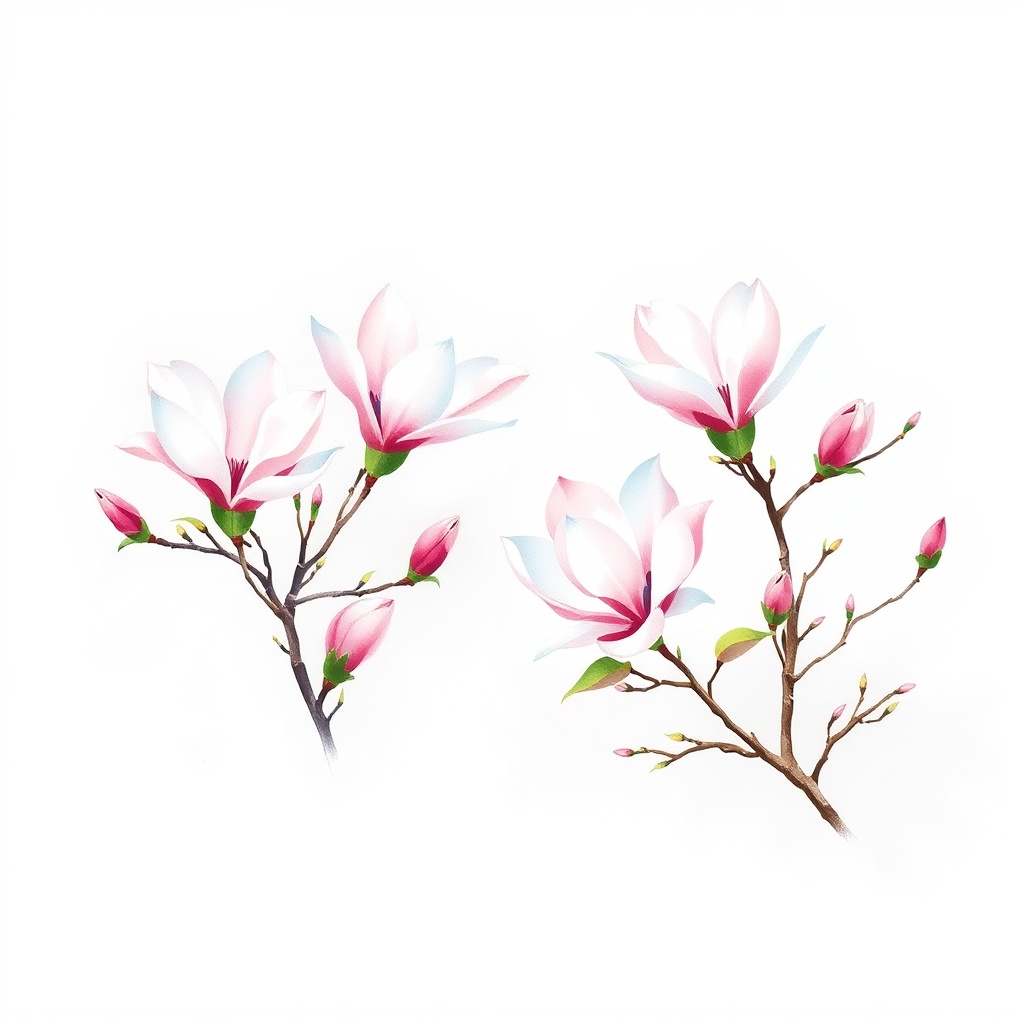
– Spectacular flowers: Many magnolias produce large, fragrant blossoms that attract pollinators such as bees and beetles. Flowers vary from cup-shaped saucer blooms to star-like petals and huge, creamy white blossoms.
– Versatile forms: Magnolias range from compact shrubs to tall canopy trees, making them suitable as specimen trees, privacy screens, or container-grown accents.
– Seasonal interest: Evergreen varieties provide year-round structure, while deciduous types offer dramatic spring display followed by graceful branching through the dormant season.
Planting and site selection
Choose a planting site with well-drained soil and ample room for mature spread. Most magnolias prefer full sun to light shade; too much shade can reduce flowering. Avoid planting in low-lying areas where water pools—root health depends on steady, not stagnant, moisture. If you’re uncertain about hardiness, select species known for tolerance to your local climate and consult local nursery experts.
Soil and watering
Magnolias favor slightly acidic, fertile soils rich in organic matter.
Improve heavy clay with compost and ensure good drainage. Newly planted trees need regular watering to establish roots—deep, infrequent watering is better than frequent shallow sprays. Once established, many magnolias tolerate brief dry spells, but consistent moisture yields the best flower production and foliage health.
Fertilizing and mulch
Apply a balanced, slow-release fertilizer in early growth periods if soil tests indicate deficiencies.
A 2–3 inch layer of organic mulch around the root zone conserves moisture, moderates soil temperature, and reduces weeds. Keep mulch a few inches away from the trunk to prevent rot and rodent damage.
Pruning and maintenance
Magnolias generally require minimal pruning.
For deciduous types that flower in spring, prune immediately after flowering to avoid cutting off next season’s buds. For evergreen magnolias, light shaping can be done in late spring.
Avoid heavy pruning into old wood—magnolias do not respond well to severe cutting back.
Remove dead or crossing branches as needed and avoid wounding the trunk during lawn maintenance.
Common pests and diseases
Scale insects and aphids can appear on magnolia foliage; natural predators and horticultural oils often manage outbreaks.
Fungal issues like powdery mildew or leaf spot may occur in humid conditions—improve air circulation and avoid overhead watering to reduce risk. Root rot is a concern in poorly drained soils, reinforcing the importance of proper site selection.
Propagation and varieties
Magnolias can be grown from seed, but cultivars are often propagated by cuttings or grafting to preserve desired traits. Popular choices include evergreen magnolias for year-round structure, and deciduous varieties prized for early spring color. For small gardens or container culture, seek dwarf cultivars suited to restricted spaces.
Cultural and conservation notes
Magnolias hold cultural significance across many regions, symbolizing dignity, purity, and beauty. Many wild magnolia species face habitat pressures; planting and supporting native species where appropriate can contribute to local biodiversity.
Quick care checklist
– Site with good drainage and full sun to light shade
– Enrich soil with organic matter and maintain slight acidity
– Water deeply during establishment; mulch to retain moisture
– Fertilize only as needed based on soil tests
– Prune sparingly and right after flowering for spring-flowering types
– Monitor for scale and fungal issues; treat proactively
With the right variety and a little attention to soil and moisture, a magnolia can anchor a landscape for generations, offering striking blooms and timeless appeal.