
 Emma Jantzen
 Authentic Cajun Cooking: Essential Techniques, Tips & a Simple Spice Blend
Cajun cooking is a celebration of bold flavors, improvisation, and ingredients that thrive in low-country kitchens. Rooted in rustic traditions, it’s accessible for home cooks who want big taste with straightforward techniques.
Here’s how to bring authentic Cajun flavor to your table, plus practical tips and a simple spice blend to get started.
What makes Cajun food distinct
Cajun cuisine centers on a few key elements: a flavorful base, smoky or braised proteins, and a balance of spice, acid, and richness.
The “holy trinity” of onion, celery, and bell pepper replaces mirepoix and forms the backbone of many dishes. Roux—cooked flour and fat—adds depth and body, while local proteins like shrimp, crab, oysters, and andouille sausage provide characteristic southern flavors.
Core techniques that build flavor
– Roux mastery: Cook equal parts fat (oil, butter, or lard) and flour over medium-low heat. For lighter stews, stop at a blond roux; for richer gumbo, aim for a medium-to-dark brown roux, stirring constantly to avoid burning.
Patience is the secret—don’t rush the color change.
– Layered cooking: Start with the trinity, add garlic and spices, then meats or seafood, finishing with stock or tomatoes as needed. Deglaze the pan after browning to incorporate fond into the sauce.
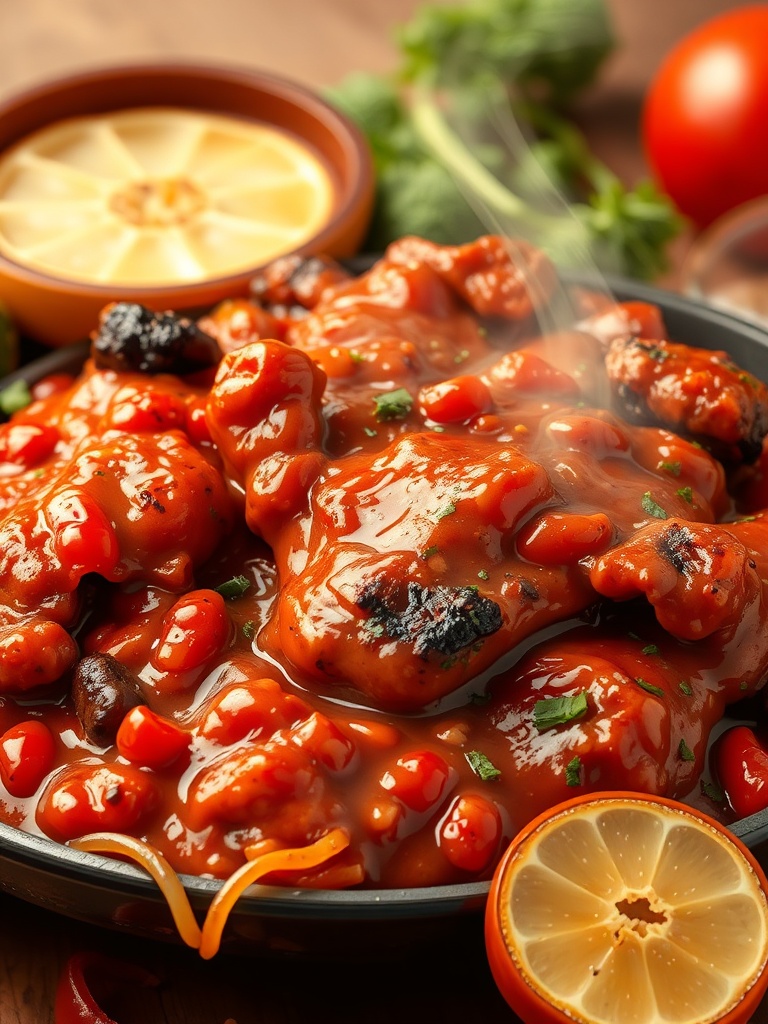
– Smoked and cured ingredients: Andouille, smoked ham hocks, or tasso lend deep umami. A small amount goes a long way.
– Finish smart: A splash of vinegar, a squeeze of lemon, or a handful of fresh parsley brightens heavy dishes. File powder or okra thicken and add traditional texture in gumbo.
Popular dishes to try
– Gumbo: A thick, spoonable stew that pairs a dark roux with sausage, seafood, or poultry. Serve over rice and garnish with green onions or parsley.
– Jambalaya: A one-pot dish where rice cooks with protein and the trinity, absorbing all the seasoned cooking liquid.
– Étouffée: A silky, roux-thickened sauce—often with shrimp—served over rice. The name means “smothered,” reflecting the gentle braise.
– Blackened fish: Pat fillets dry, coat with a bold spice rub, and sear in a hot cast-iron skillet for a crusty exterior.
Simple Cajun seasoning
Mix and store in an airtight jar:
– 2 tbsp paprika
– 1 tbsp salt
– 1 tbsp garlic powder
– 1 tbsp onion powder
– 1 tbsp dried oregano
– 1 tbsp dried thyme
– 1 tsp cayenne (adjust to taste)
– 1 tsp black pepper
Practical tips for home cooks
– Control heat: Start spices early in the cooking process to bloom flavors, but adjust cayenne and hot sauce to suit your family.
– Cast iron is ideal: It holds heat for blackening and browning.
– Use quality stock: A good chicken or seafood stock elevates gumbo and jambalaya more than extra spices ever will.
– Make ahead: Many Cajun stews taste better the next day after flavors meld. Reheat gently, adding a splash of stock if needed.
Sourcing and sustainability
Choose sustainably harvested seafood and consider smoked pork from reputable sources. Fresh, seasonal produce—especially peppers and tomatoes—keeps dishes bright and authentic.
Cajun cooking rewards experimentation. Start with a reliable roux and the holy trinity, add a favorite protein, and tweak spices until it sings.
The result: food that’s soulful, bold, and perfect for gathering friends and family around the table.