
 Emma Jantzen
 Ultimate Carolina Lowcountry Travel Guide: Wildlife, Gullah Culture, Food & Sustainable Coastal Adventures
The Carolina Lowcountry is a landscape of wide marshes, tidal creeks, barrier islands, and live oaks draped in Spanish moss — a place where nature and culture are deeply intertwined. Visitors come for the scenery and stay for the food, history, and slow-moving rhythms that define coastal life. Whether you’re drawn to birding, paddling, or plate-sized servings of shrimp and grits, the Lowcountry delivers a memorable mix of outdoor adventure and Southern hospitality.
Landscape and wildlife
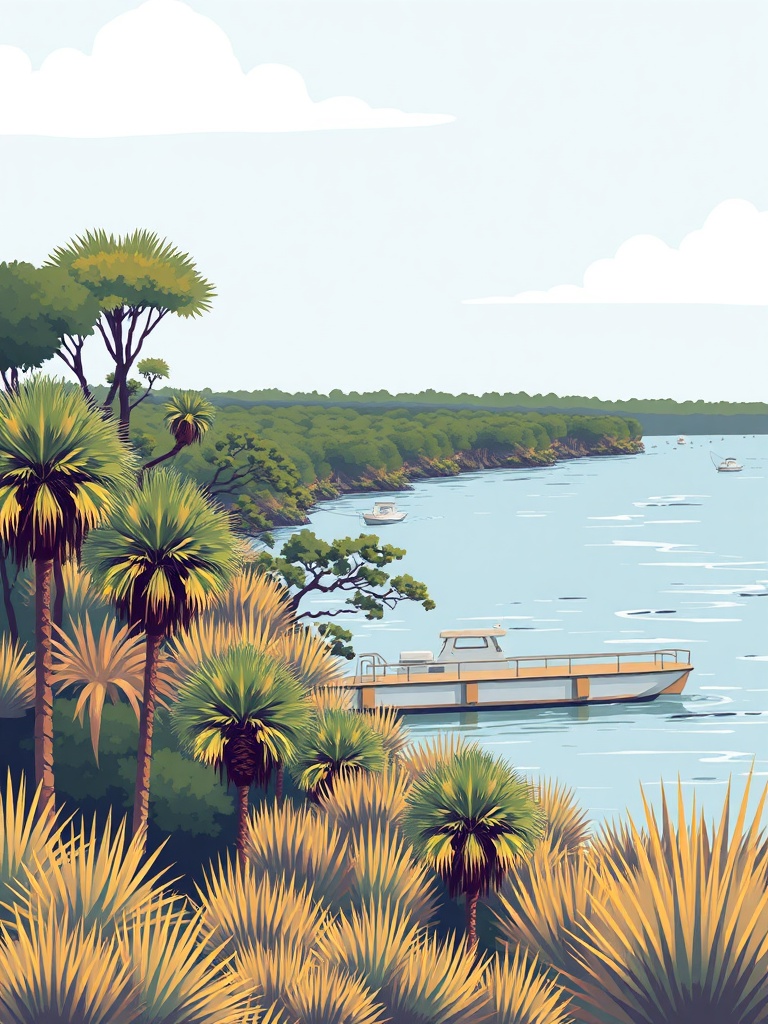
Salt marshes dominate the Lowcountry, acting as vital nurseries for fish, crabs, and oysters while buffering the mainland from storms. These tidal habitats support an abundance of wildlife: egrets and herons stalk the mudflats, dolphins cruise the estuaries, and migratory shorebirds stop to refuel. Barrier islands — both popular and remote — offer unspoiled beaches and maritime forests that feel a world apart from bustling coastal towns.
Culture and heritage
The region’s culture reflects centuries of Native American, African, and European influences. Gullah-Geechee communities preserve distinct language, crafts, and culinary traditions rooted in West African heritage. Exploring heritage trails, historic plantations, and local galleries provides insight into this complex cultural tapestry. When visiting cultural sites, prioritize guided tours and community-run experiences to support preservation and local livelihoods.
Food and flavor
Lowcountry cuisine is central to the experience. Classic dishes emphasize fresh, local seafood and simple, bold flavors: she-crab soup, oyster roasts, Lowcountry boil, and, of course, shrimp and grits. Markets and neighborhood oyster bars are excellent places to taste fresh-caught oysters and seasonal seafood while connecting directly with fishers and shuckers who work these waters.
Outdoor activities and experiences
– Kayaking or paddleboarding through tidal creeks offers up-close views of marsh life and access to quiet inlets.
– Guided wildlife tours and birding walks reveal species that can be elusive from shore.
– Bicycle rides along historic districts let you sample architecture and cuisine at a relaxed pace.
– Beachcombing on lesser-known barrier islands can yield shells, driftwood, and solitude.
– Fishing charters and clamming experiences provide hands-on ways to enjoy local foodways.
Sustainable travel and stewardship
The Lowcountry’s beauty depends on careful stewardship. Visitors can help by practicing Leave No Trace principles, supporting sustainable fisheries, and choosing accommodations that prioritize conservation.
When participating in guided tours, select local operators who follow best practices for wildlife viewing and habitat protection. Community-based conservation efforts and shell recycling programs (using oyster shells to rebuild reefs) are examples of actions that make a measurable difference.
Practical tips
Pack lightweight layers and sun protection for variable coastal weather.
Bring insect repellent for marshy areas and waterproof footwear for muddy trails. If you plan to visit barrier islands, check tide schedules and boat or ferry arrangements; some islands have limited services, so plan accordingly. Respect private property and posted signs — many coastal lands are protected or privately managed for conservation.
Why it matters
The Lowcountry’s mix of ecological richness and cultural depth makes it uniquely valuable.
Visitors who come with curiosity and care can enjoy breathtaking landscapes while contributing to the long-term health of these coastal communities. By choosing sustainable experiences and supporting local businesses, travelers help preserve the traditions and habitats that make the Carolina Lowcountry so special.