
 Emma Jantzen
 Cajun Cooking for Home Cooks: Trinity, Roux, Spice Blend & Easy Techniques
Cajun cooking is comfort food built on bold seasoning, smart technique, and a few foundational ingredients. Rooted in resourcefulness, its flavor profile is rustic, smoky, and layered—perfect for home cooks who want big taste without fuss.
Fundamentals of Cajun cooking
At the heart of Cajun cuisine are three essentials: the trinity (onion, celery, bell pepper), a properly made roux, and a balanced spice blend. The trinity forms the aromatic base for stews, gumbos, and jambalayas. A roux—cooked flour and fat—adds body and a toasty depth; its color can range from blond for lighter sauces to deep brown for richer, more complex gumbos. Patience is the secret: slow stirring over medium or medium-low heat prevents scorching and unlocks nutty flavors.
Cajun vs Creole: quick guide
While often grouped together, Cajun and Creole cooking have distinct identities.
Cajun cuisine is rural, hearty, and driven by simple ingredients and preservation techniques. Creole is more urban, incorporating tomatoes, cream, and European influences. Both share the trinity and bold seasoning, but recognizing the difference helps when following recipes or adapting dishes.
Build your own Cajun spice blend
A homemade blend is fresher and customizable. A straightforward mix:
– 2 tablespoons paprika
– 1 tablespoon garlic powder
– 1 tablespoon onion powder
– 2 teaspoons salt
– 1 teaspoon black pepper
– 1–2 teaspoons cayenne (adjust to heat preference)
– 1 teaspoon dried oregano
– 1 teaspoon dried thyme
Mix and store in an airtight container. Use it for blackening fish, seasoning roasted vegetables, or sprinkling on grains.
Techniques that elevate
– Blackening: Heat a cast-iron skillet until very hot, coat protein with melted butter and spice mix, then sear quickly for a charred crust. Finish in the oven if needed.
– Low-and-slow roux: Stir constantly and scrape the pan; the color shift signals flavor development. A dark roux yields deeper flavor but less thickening power, so adjust liquid accordingly.
– Layering flavors: Add aromatics at different stages—some at the start, fresh herbs near the end—to create dimension.
– One-pot cooking: Jambalaya and gumbo are perfect for minimizing cleanup while concentrating flavors.
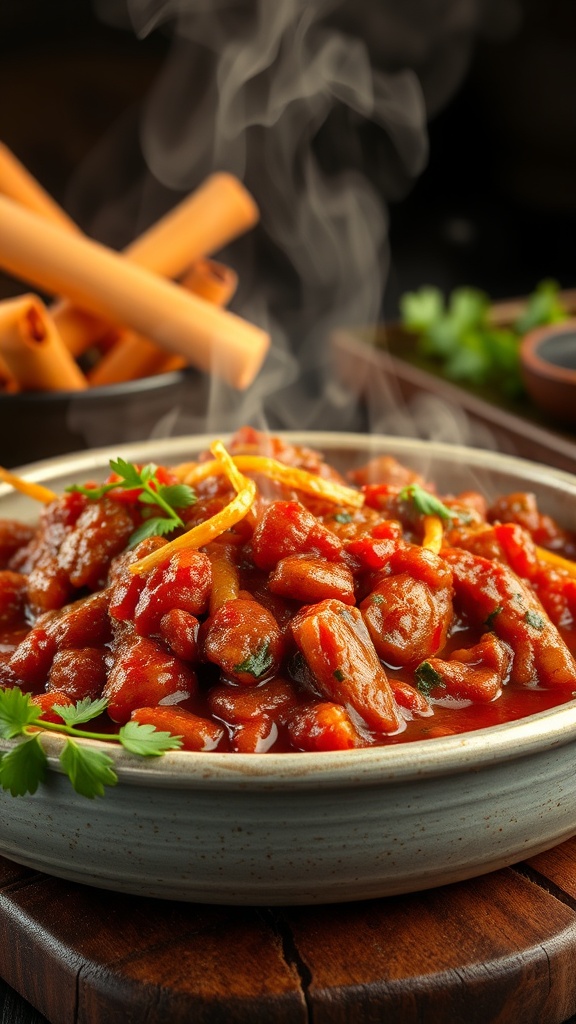
Browning the meat and toasting rice or spices before adding liquid adds complexity.
Vegetarian and health-conscious swaps
Cajun flavors translate well to plant-based diets. Substitute smoked paprika for liquid smoke, use mushrooms and smoked tofu for umami, and choose vegetable stock enriched with roasted vegetables.
To reduce fat while preserving mouthfeel, use a smaller amount of oil for roux and rely on long-cooked vegetables or pureed beans to thicken stews.
Storage and reheating
Most Cajun stews taste better after resting—flavors meld overnight. Cool quickly, refrigerate in shallow containers, and reheat gently on the stovetop to retain texture. Freeze portions for easy weeknight meals; thaw slowly for best results.
Pairings and serving ideas
Serve gumbo over rice, top with green onions and a splash of hot sauce. Jambalaya stands well with a crisp green salad or cornbread. For drinks, pick something cooling like a citrusy beer or iced tea to offset the spices.
Cajun cooking is adaptable, forgiving, and intensely flavorful.
Master the basics—trinity, roux, and seasoning—and you’ll be equipped to create dishes that honor the tradition while fitting modern tastes and diets.