
 Emma Jantzen
 Cajun Cooking Made Simple: Essential Techniques, Roux Tips & Recipes for Gumbo, Jambalaya and Etouffee
Cajun cooking celebrates bold, rustic flavors built from simple ingredients and confident technique. Rooted in a cuisine that values resourcefulness and spice, it’s perfect for home cooks who want big taste without complicated steps.
Whether you’re making a pot of gumbo, stirring a pan of jambalaya, or searing blackened fish, understanding a few core principles unlocks authentic results.
Start with the foundation: the Holy Trinity — onion, bell pepper, and celery — which forms the aromatic base of most Cajun dishes.
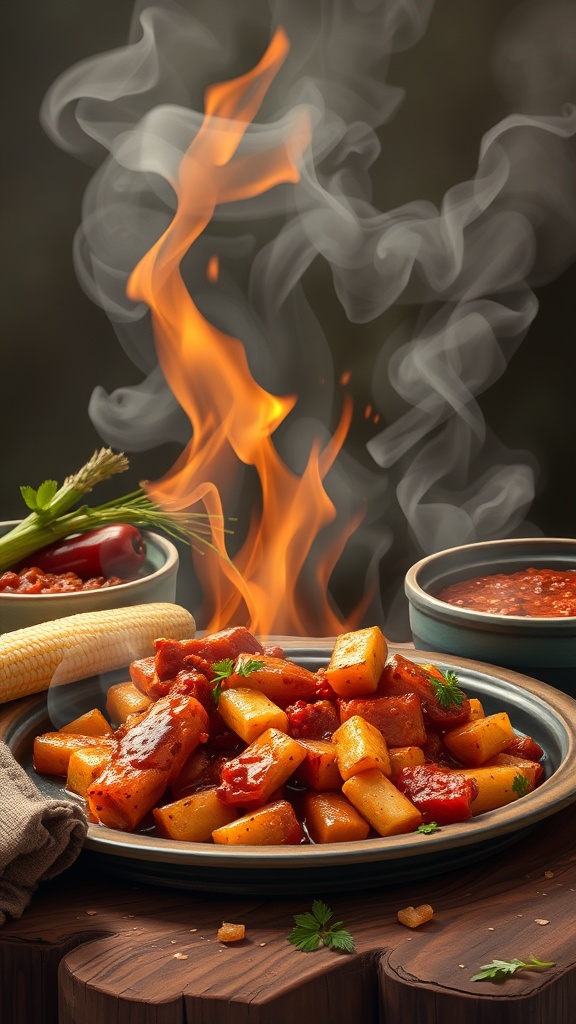
From there, the roux and spices do the heavy lifting.
A proper roux, slowly cooked until it reaches a peanut-butter to chocolate color depending on the dish, adds depth and richness. Use equal parts fat and flour, and keep stirring over medium-low heat; patience prevents scorching and yields a complex backbone for stews and sauces.
Essential pantry items for Cajun cooking:
– Onion, bell pepper, celery
– Cajun or Creole seasoning blend (or make your own with paprika, garlic powder, onion powder, thyme, oregano, cayenne)
– Smoked sausage or andouille, plus smoked paprika for smoky notes
– Seafood (shrimp, crab) and chicken for versatile proteins
– Okra or filé powder for thickening gumbo
– Stock (chicken, seafood, or vegetable)
Spices and heat: Cajun seasoning is flexible. Balance smoky paprika, earthy oregano and thyme, garlic, and a variable amount of cayenne. Blackening—a high-heat sear of heavily seasoned protein—delivers a charred, spicy crust; use a cast-iron skillet and a confident hand with oil and ventilation.
Gumbo vs. Jambalaya vs. Étouffée: Know the differences. Gumbo is a saucy stew often thickened with roux and sometimes filé powder, typically served over rice. Jambalaya is a one-pot rice dish that cooks the rice with the other ingredients so flavors meld into the grains. Étouffée (which means “smothered”) usually features shellfish in a velvety sauce and a lighter, blond roux.
Vegetarian and lighter options: Cajun flavors translate well to meatless diets. Swap smoked sausage for smoked mushrooms or tempeh, use vegetable stock, and rely on okra or a light roux for body. For lower sodium, use fresh herbs and citrus to brighten dishes and reduce reliance on bottled seasoning mixes.
Technique tips for better results:
– Build layers of flavor: sauté the Holy Trinity, brown proteins, then add roux and stock.
– Control roux color: lighter roux thickens more; darker roux adds nutty depth but less thickening power.
– Finish with acid and fresh herbs: a splash of lemon or a handful of parsley lifts rich stews.
– Cook rice separately for gumbo if you prefer a less starchy finished texture.
Make-ahead and storage: Many Cajun dishes improve after a day as flavors meld. Cool completely, refrigerate, and reheat gently to avoid overcooking seafood. Gumbo and jambalaya both freeze well; thaw slowly and add a little stock when reheating if the texture tightens.
Cajun cooking is adaptable, intensely flavorful, and rewarding for cooks who enjoy technique and bold seasoning. Start with a basic jambalaya or shrimp étouffée, experiment with different roux stages, and tweak spice levels to your taste. A few core ingredients and a willingness to stir patiently will bring the soulful, spicy spirit of Cajun cuisine to your table. Try a simple recipe tonight and adjust as you go—Cajun cooking rewards curiosity and bold seasoning.