
 Emma Jantzen
 Gulf Seafood Guide: Flavor, Sustainability, Safety & Buying Tips
Gulf Seafood: What to Know About Flavor, Sustainability, and Safety
The Gulf of Mexico delivers some of the most flavorful and diverse seafood available, prized for sweet shrimp, firm red snapper, briny oysters, and buttery blue crab. Whether buying at a favorite fish market or ordering at a restaurant, knowing how Gulf seafood is caught, managed, and prepared helps ensure great taste and responsible choices.
Top Gulf species and what makes them special
– Shrimp: Brown, white, and pink shrimp from the Gulf are known for their sweet, succulent texture.
They’re a culinary workhorse—from quick sautés and tacos to classic shrimp and grits.
– Red snapper: A firm, mildly sweet fillet that holds up well to grilling, baking, and blackening.
It’s a favorite for whole-roasting and simple preparations that highlight fresh fish flavor.
– Oysters: Gulf oysters are celebrated for a briny, savory profile with texture ranging from meaty to plump depending on harvest area. Raw on the half-shell, charbroiled, or stewed, oysters offer versatility.
– Blue crab: Sweet, delicate meat best showcased in crab cakes, soups, or simply steamed with seasoning.
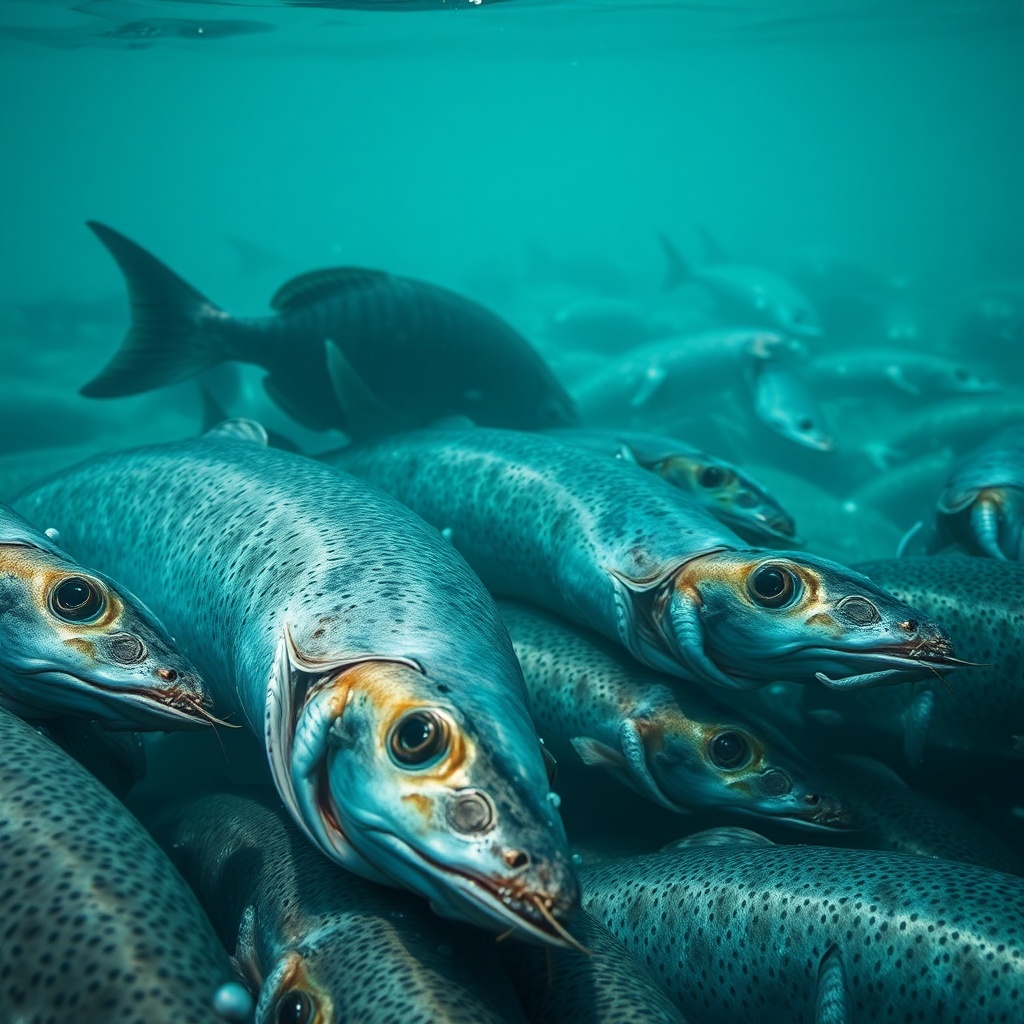
Sustainability and management
Gulf fisheries are managed through a mix of regional councils, state agencies, and federal regulations designed to balance harvest with conservation. Sustainable practices include catch limits, size restrictions, and seasonal closures that protect spawning populations. Shellfish restoration projects and aquaculture initiatives are expanding to replenish oyster reefs and provide stable supplies while enhancing coastal ecosystems.
When selecting sustainable Gulf seafood, look for reputable labels from well-known certification bodies or ask vendors about sourcing.
Local and small-scale fishers often provide traceable catch information; direct questions about how and where a species was caught can reveal whether it was wild-caught or farmed, and whether the area was impacted by recent closures or advisories.
Seafood safety and harmful algal blooms
Harmful algal blooms can affect coastal waters and lead to harvest closures or safety advisories for shellfish.
State health departments and fishery agencies regularly test waters and posting advisories where needed. Consumers should check local advisories when planning to harvest or buy shellfish from coastal areas. Proper handling—keeping seafood chilled, avoiding cross-contamination, and fully cooking when advised—reduces foodborne risk.
Health benefits and mercury guidance
Gulf seafood is a strong source of lean protein, omega-3 fatty acids, and essential nutrients like selenium and vitamin D. Larger, predatory species can contain higher mercury levels; pregnant people, nursing parents, and young children should follow local health guidance on portion sizes and species choices. Choosing smaller, lower-trophic species like shrimp and oysters can maximize benefits while minimizing exposure risks.
Buying and storing tips
– Buy from trusted markets that move product quickly and provide clear sourcing. Fresh fish should smell clean and ocean-like, not overly fishy.
– For whole fish, look for clear eyes and bright gills; fillets should be firm and moist.
– Keep seafood refrigerated and use within recommended time frames, or freeze for longer storage. Thaw frozen seafood safely in the refrigerator before cooking.
Simple cooking ideas
– Pan-seared red snapper with lemon-butter and herbs
– Grilled shrimp skewers marinated in citrus and garlic
– Oysters lightly charred with breadcrumbs and parmesan for a small-bite appetizer
– Blue crab cakes with a light remoulade and crisp greens
Enjoying Gulf seafood means savoring distinctive regional flavors while supporting practices that protect both fish populations and coastal habitats. Asking about sourcing, following advisories, and choosing appropriate species for your diet are simple steps that make a big difference at the dinner table.