
 Emma Jantzen
 Magnolia Trees: Top Varieties, Planting Tips and Care for Gardens and Landscapes
Why magnolia trees remain a top choice for gardens and landscapes
Magnolia trees combine bold beauty with surprising resilience, making them a favorite for homeowners, landscapers, and public spaces. Known for their large, often fragrant flowers and glossy foliage, magnolias work as dramatic specimen trees, elegant street plantings, or compact additions to small gardens.
Choosing the right magnolia variety
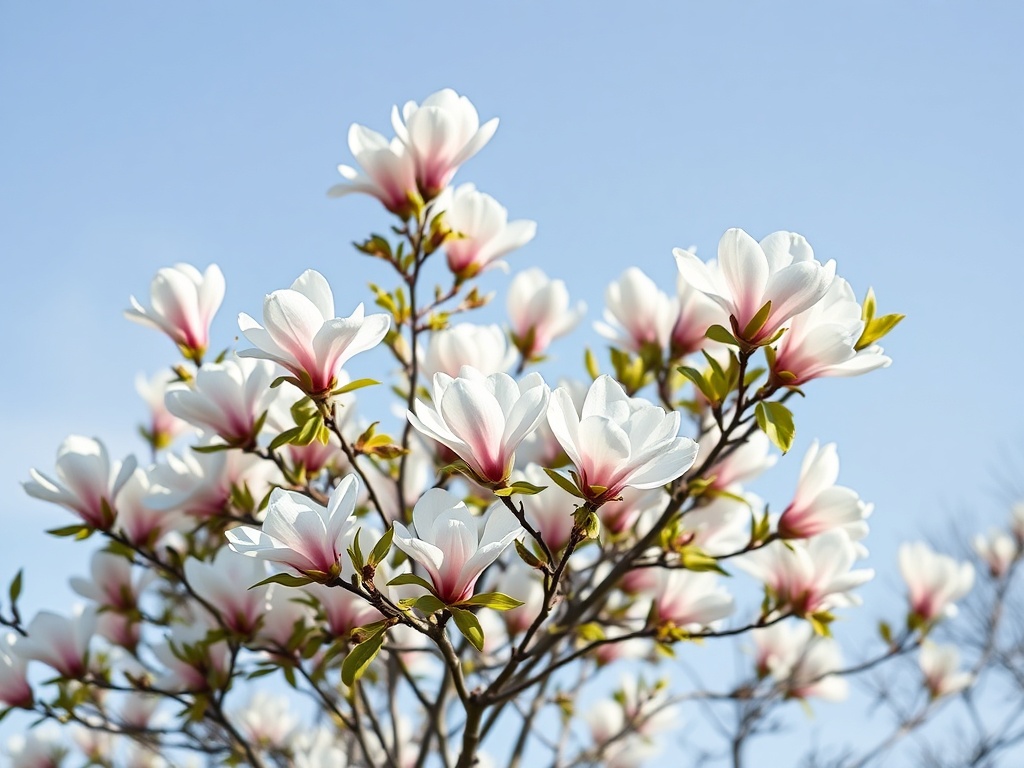
Magnolias range from small, shrub-like species to towering shade trees. Evergreen varieties, like southern magnolias, offer year-round glossy leaves and summer-blooming flowers. Deciduous types, such as saucer and star magnolias, produce dramatic spring displays of cup- or star-shaped blooms and then tidy up for the growing season.
For tight spaces, look for dwarf cultivars that deliver big flowers on smaller frameworks.
Site, soil and planting tips
Successful magnolia tree care starts with choosing the right site. Most magnolias prefer full sun to partial shade and need protection from harsh winds that can damage large flowers and tender shoots. They favor rich, well-drained soil with slightly acidic to neutral pH. Avoid planting too deep—set the root flare at or just above soil level to prevent crown rot. Apply a 2–3 inch layer of mulch around the root zone, keeping mulch away from direct contact with the trunk to discourage disease.
Watering and feeding
Young magnolias need consistent moisture to establish a deep, healthy root system. Water deeply and infrequently rather than shallow, frequent watering.
Once established, many varieties tolerate short dry spells but will perform best with moderate, regular moisture. Feed sparingly with a balanced, slow-release fertilizer in early growth periods; overfertilizing can reduce bloom production and encourage weak growth.
Pruning and maintenance
Minimal pruning is usually best. For spring-flowering magnolias, prune immediately after bloom to preserve next season’s buds. Prune to remove dead or crossing branches and to maintain a single leader when young.
Heavy pruning often results in vigorous sucker growth and can change the tree’s natural form. Structural pruning early in the tree’s life prevents major corrections later.
Pests and diseases to watch for
Magnolias are relatively hardy but can be susceptible to scale insects, aphids, and magnolia borer in some regions. Horticultural oil or insecticidal soaps can control scale and aphids when applied according to label instructions. Good sanitation—removing fallen leaves and spent seed cones—reduces disease pressure. Ensure proper drainage to avoid root rot and monitor for leaf spot or powdery mildew in humid conditions.
Propagation and lifespan
Magnolias can be grown from seed, cuttings, or grafting.
Seed propagation can be slow and variable, while cuttings and grafted plants offer more predictable results for specific cultivars. Many magnolia species are long-lived and can provide decades of ornamental value when sited and cared for properly.
Landscape uses and ecological benefits
Beyond their ornamental appeal, magnolia flowers support pollinators—particularly beetles—and provide seasonal interest with unique seed pods and attractive bark. Use magnolias as focal points in mixed borders, as shade anchors near patios, or as companions to spring bulbs for layered seasonal color.
With thoughtful selection and basic care, magnolia trees reward gardeners with show-stopping blooms, elegant form, and enduring presence in the landscape.