
 Emma Jantzen
 Bayou Life: Ecology, Cajun‑Creole Culture, and Community Resilience
Bayou Life: Where Water, Culture, and Resilience Meet
The bayou is more than a landscape — it’s a living tapestry of water, wildlife, and human culture shaped by slow currents and resilient communities. From winding cypress-lined channels and floating mats of marsh grass to the hum of frogs and the crack of a fishing line, bayou life offers a sensory-rich experience that blends ecology, cuisine, and tradition.
Ecology and wildlife
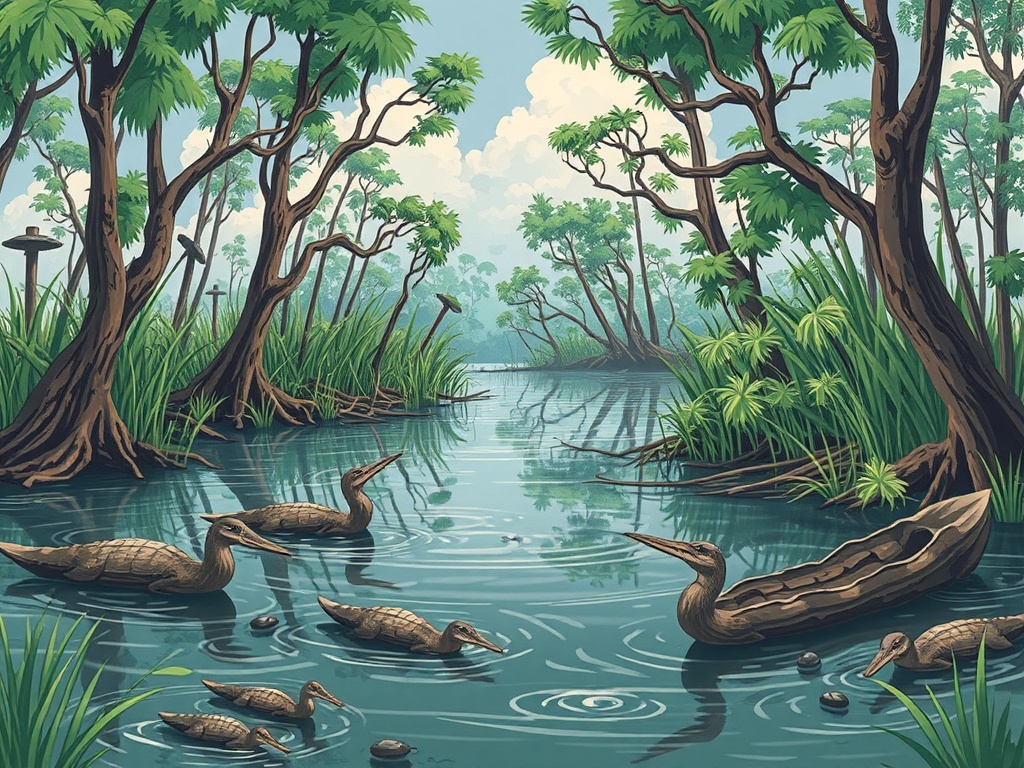
Bayous are wetlands that support diverse ecosystems. Tall cypress and tupelo trees form shaded corridors where alligators sun themselves and herons stalk fish. Marsh grasses trap sediment, build land, and buffer storms.
These habitats are crucial for shrimp, oysters, crabs, and many freshwater and estuarine species that sustain both local economies and migratory birds. Yet bayou ecosystems are fragile: erosion, invasive species, altered river flows, and pollution can upset the balance.
Conservation efforts focused on wetland restoration, living shorelines, and sustainable harvest practices are increasingly central to protecting these landscapes.
Culture and traditions
Bayou communities are rich in cultural heritage. Creole and Cajun influences shape music, language, and food — think the rhythmic twang of fiddle and accordion, and dishes built on seafood, roux, and spice. Family recipes for gumbo or jambalaya are often passed down across generations, reflecting a deep connection to the land and water. Boat-building, net-mending, and seasonal shrimping cycles remain important livelihoods, while storytelling and local festivals keep community bonds strong.
Sustainable fishing and aquaculture
Fishing for sport and sustenance is a cornerstone of bayou life. Responsible practices like catch limits, size restrictions, and closed seasons help protect populations. Simultaneously, responsible aquaculture and restoration of oyster reefs support both biodiversity and coastal resilience. Consumers and visitors can support sustainability by choosing seafood from certified sources and learning about local regulations that protect nursery habitats.
Ecotourism and recreation
Kayaking, guided swamp tours, and birdwatching are popular ways to experience the bayou without disturbing sensitive areas. Sustainable ecotourism benefits local guides and businesses while raising awareness about wetland conservation. When visiting, prioritize outfitters that follow low-impact practices, respect private property, and educate guests about wildlife safety — especially around alligators and nesting birds.
Challenges and resilience
Bayou communities face ongoing challenges, including land loss, changing water regimes, and economic pressures. Many residents are responding with creativity: community-led marsh planting, cooperative fisheries management, and local food enterprises that add value to regional catches. Partnerships between scientists, local stakeholders, and conservation groups are proving effective at applying traditional knowledge alongside modern restoration techniques.
Tips for visitors
– Dress for comfort and insect protection; lightweight long sleeves and repellents are useful.
– Wear non-slip footwear and be prepared for damp, muddy conditions.
– Listen to local guides and observe posted rules to protect wildlife and private lands.
– Support local businesses — buy seafood, crafts, and guided experiences from community members.
Bayou life balances a deep cultural identity with ecological complexity. By appreciating the rhythms of water and the people who live with it, visitors and residents alike can contribute to a future where wetlands remain productive, communities thrive, and the distinct flavors and stories of the bayou endure.