
 Emma Jantzen
 Bayou Life: A Traveler’s Guide to Wildlife, Cajun Cuisine, and Wetland Conservation
Bayou life blends slow rhythms, rich flavors, and a fierce dependence on wetlands that shape culture and survival. Whether you’re paddling through shaded waterways, listening to frogs sing at dusk, or watching an oysterman haul a morning catch, the bayou rewards curiosity and respect.
The landscape and its wildlife
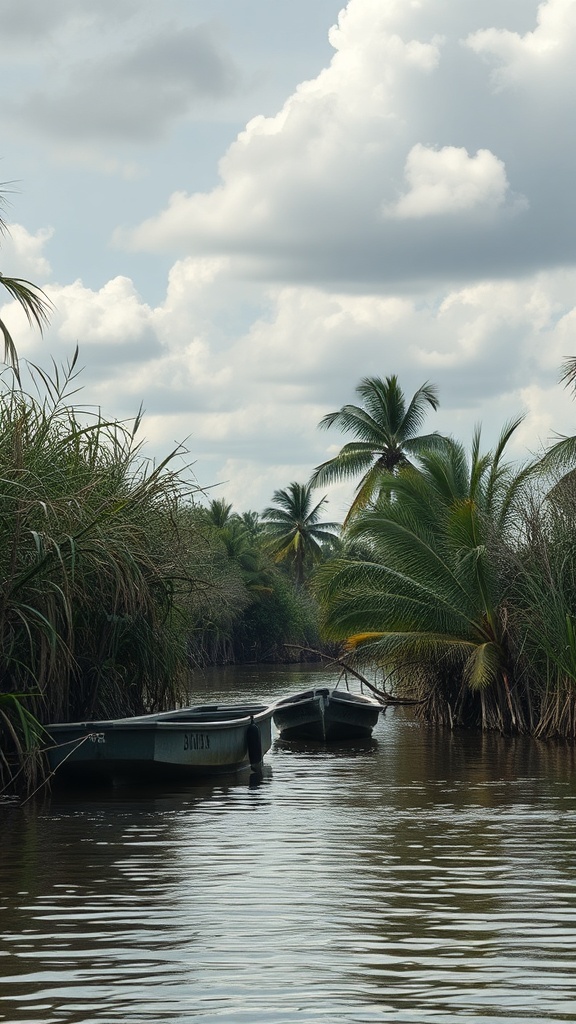
Bayous are defined by calm, slow-moving water weaving through marshes and cypress swamps. Towering bald cypress and tupelo trees, draped in Spanish moss, create a cathedral-like canopy.
Beneath the surface, roots and submerged vegetation support nurseries for fish and crustaceans. Expect to see herons and egrets stalking shallows, otters slipping between reeds, turtles sunning on logs, and the occasional flash of a kingfisher. Alligators are a top predator and a symbol of the bayou—observe from a safe distance and never feed wildlife.
Local livelihoods and cultural fabric
The bayou economy is tied to the water: commercial fishing, shrimping, oystering, and trapping have supported families for generations. Markets and roadside stands often offer the freshest seafood—local knowledge matters when choosing sustainable options. Culture here is inseparable from the landscape. Cajun and Creole traditions influence language, music, and food; zydeco and accordion-driven songs can spill from community halls on weekend nights. Festivals, neighborhood cookouts, and storytelling nights keep oral histories alive, while artisans carve decoys, weave baskets, and paint scenes that reflect salt and silt.
Food and flavors
Bayou cuisine is a powerful draw. Dishes like gumbo, jambalaya, and boiled crawfish mix African, French, Spanish, and Indigenous influences. Seafood is often served simply—grilled, blackened, or simmered with local spices—so freshness shines. When dining or buying shellfish, look for sellers who follow sustainable harvesting practices and proper handling to ensure food safety.
Practical tips for visitors
– Go with a local guide for deeper context and safer navigation; guides know hidden channels and seasonal changes.
– Pack insect repellent, sun protection, and waterproof gear. Mosquitoes and sun exposure are part of the experience.
– Wear a life jacket on small boats and kayaks; currents and submerged obstacles can be deceptive.
– Use binoculars and a telephoto lens for wildlife photography to avoid disturbing animals.
– Respect private property and fishing areas; many families depend on these resources.
– Learn a few local phrases and customs—politeness goes a long way in small communities.
Conservation and the future of the bayou
Wetlands provide critical services: they buffer storms, filter water, store carbon, and support fisheries. Yet bayous face pressures from development, erosion, pollution, and changing water patterns. Community-led restoration, marsh replanting, sustainable fisheries management, and policy support are all part of ongoing efforts to protect these systems. Visitors can help by choosing eco-conscious tour operators, buying responsibly sourced seafood, supporting local conservation groups, and staying on marked paths and waterways.
Why it matters
Bayou life is more than picturesque scenery; it’s a living system that sustains people and wildlife. Spending time there offers a slow, sensory reminder of our relationship to water and land. Observe carefully, tread lightly, and support local communities so that the traditions, landscapes, and livelihoods shaped by the bayou continue to thrive.