
 Emma Jantzen
 Authentic Memphis BBQ: Whole-Hog Traditions, Dry vs. Wet Ribs, Pulled-Pork Tips
Memphis barbecue is one of the most beloved regional styles in America, celebrated for its balance of smoke, savory rubs, and sauces that complement but never overpower the meat. Whether savoring tender pulled pork, falling-off-the-bone ribs, or the classic whole-hog barbecue, Memphis has a flavor profile and a pitmaster culture that reward both newcomers and seasoned barbecue fans.
What defines Memphis barbecue
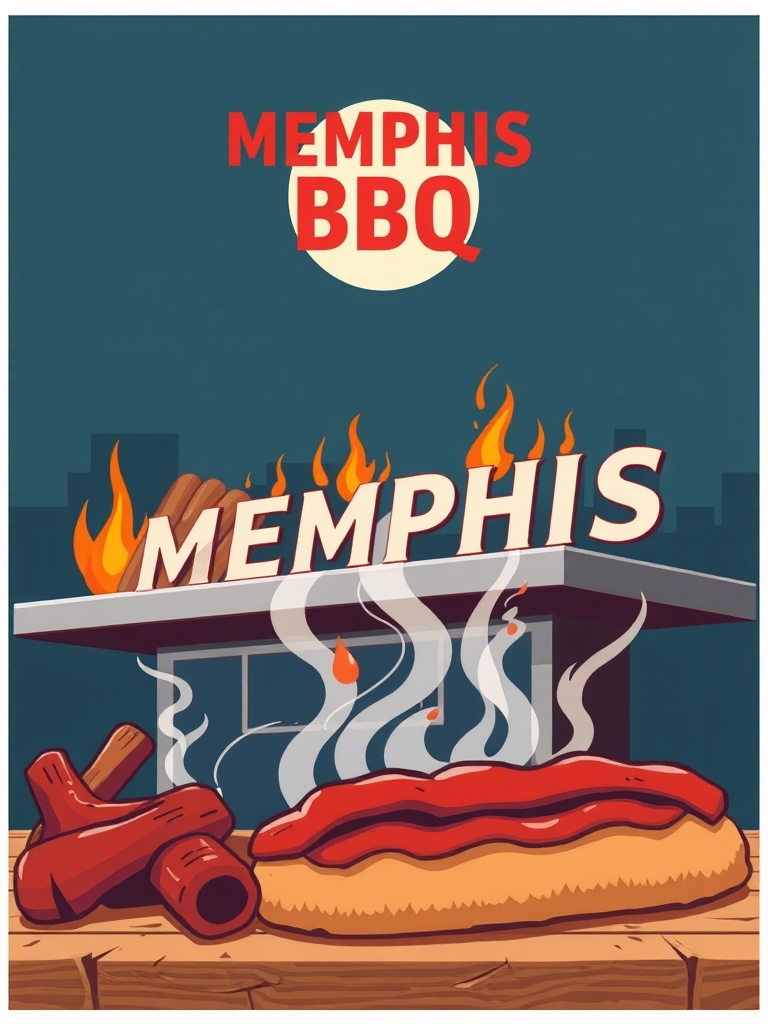
At its core, Memphis barbecue emphasizes pork — especially pork shoulder (for pulled pork) and pork ribs — cooked low and slow over hardwood. Two signature approaches stand out: dry ribs and wet ribs. Dry ribs are generously seasoned with a spice rub before smoking, creating a bold crust that’s enjoyed without sauce or with a light drizzle.
Wet ribs are basted with a tangy, tomato-based sauce during and after cooking for a stickier, glossy finish. The regional sauce tends to be slightly sweet, tangy, and tomato-forward, designed to complement smoke and pork rather than mask them.
Whole hog tradition
Memphis is renowned for its whole hog tradition. Cooking an entire hog over coals is a communal and hands-on process that yields a mix of textures — crispy outer skin, succulent lean cuts, and shreddable shoulder meat. Whole-hog pits require careful temperature control and frequent turning, but the result is a blend of flavors that represents the heart of old-school barbecue craft.
Smoke, wood, and technique
Low-and-slow smoking is nonnegotiable. Common woods include hickory and oak for their steady smoke and robust flavor; fruitwoods such as apple or cherry are sometimes blended in to add a milder, sweeter smoke. Maintaining a consistent temperature between 225–275°F produces tender results and a well-developed smoke ring. Pitmasters also emphasize rest time: letting pulled pork rest before shredding locks in juices and improves texture.
Iconic dishes and sides
– Pulled pork: Hand-shredded and often served on a soft bun with coleslaw either on the side or on the sandwich itself.
– Ribs: Spare ribs or St. Louis-style ribs, served dry or wet depending on preference.
– Rib tips: Small, flavorful pieces trimmed from spare ribs, often crisped to perfection.
– Sides: Classic accompaniments include coleslaw, baked beans, potato salad, fries, and banana pudding for dessert.
Tips for recreating Memphis-style barbecue at home
– Invest in a reliable smoker or adapt a grill for indirect smoking. Consistent heat is more important than high heat.
– Apply a balanced dry rub with salt, sugar, paprika, and black pepper; let it sit to absorb flavors before smoking.
– Use a mop or spritz (apple juice or cider vinegar mixes work well) to keep meat moist during long cooks.
– For ribs, try a two-zone method: smoke gently until nearly done, then finish over higher heat with sauce for a caramelized exterior.
– Always rest large cuts before slicing or shredding to retain juices.
Why Memphis BBQ endures
Memphis barbecue combines technique, community, and flavor in a way that keeps people coming back. It’s accessible — a backyard cook can replicate many elements — yet it also rewards the patience and attention to detail found in long-established barbecue shops. From casual stands to celebrated pitmasters, Memphis-style barbecue represents both tradition and the ongoing creativity of those who keep the pits burning.
For anyone exploring regional American barbecue, Memphis offers a delicious blend of history, craft, and crowd-pleasing flavors — whether enjoying ribs smothered in sauce or savoring the pure spice crust of a well-executed dry rib.