
 Emma Jantzen
 Memphis BBQ Explained: Whole-Hog Tradition, Dry vs. Wet Ribs, Must-Try Dishes and At-Home Smoking Tips
Memphis BBQ is more than food—it’s a flavor tradition built on whole-hog smoking, bold rubs, and a friendly rivalry between dry and wet ribs. Whether you’re planning a visit, hunting down the best sandwich in town, or trying a Memphis-style shoulder at home, knowing what to look for elevates the experience.
What defines Memphis barbecue
Memphis style centers on pork—pulled pork sandwiches and spare ribs are the stars.
Key characteristics include:
– Whole-hog heritage: Classic pitmasters smoke entire hogs, balancing fat and meat for deep, cohesive flavor.
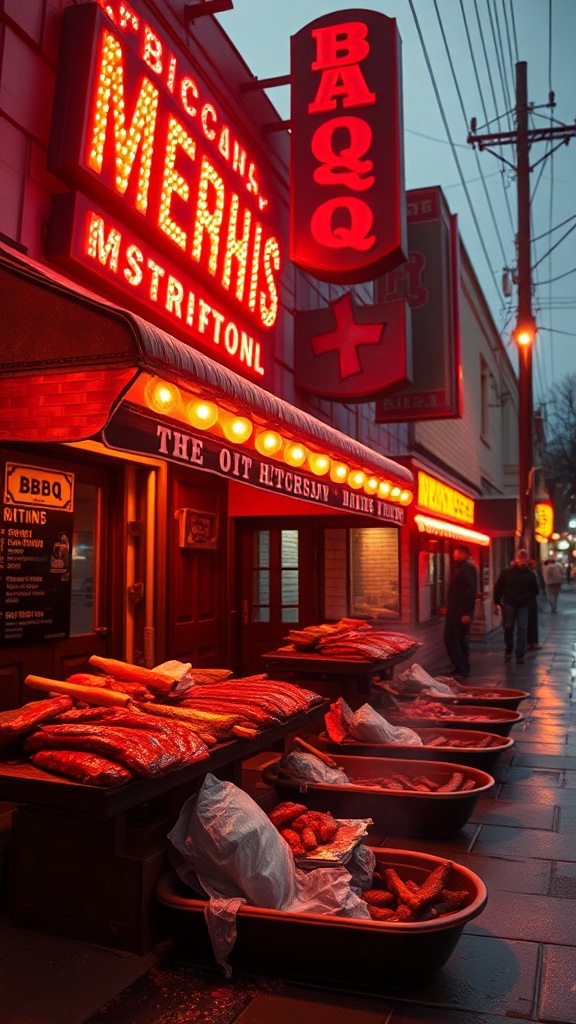
– Dry vs. wet ribs: Dry ribs are seasoned with a spice rub and served with sauce on the side; wet ribs are basted with sauce while cooking for a glossy, sticky finish.
– Sauce profile: Memphis sauces are typically tomato-based and tangy-sweet, thinner than heavy Kansas City glazes but richer than vinegar-forward Carolina sauces.
Must-try dishes and sides
– Pulled pork sandwich: Piled high, often finished with coleslaw either on top or on the side.
– Spare ribs: Try both dry and wet to appreciate the contrast in texture and flavor.
– Whole-hog platter: Seek this out at traditional spots or festivals for the authentic experience.
– Sides: Baked beans, collard greens, mac and cheese, and banana pudding round out a true Memphis meal.
How to spot great Memphis BBQ
Look for a few reliable signs: the smell of wood smoke from the pit, meat smoked on-site, a simple menu focused on quality cuts, and a steady line of locals. Authentic joints often trade fancy décor for pit-side charm and consistency.
At-home smoking tips
– Wood choice: Hickory and oak deliver classic, robust smoke; fruitwoods like apple or cherry add a sweeter, milder note.
– Low and slow: Maintain a smoker temperature around 225–250°F (about 107–121°C) for tender, smoky results.
– Pork shoulder doneness: Pull at an internal temperature around 195–205°F (90–96°C) for shredding.
Let the meat rest 30–60 minutes before pulling.
– Ribs: Use the bend test—a rack should flex and crack slightly without falling apart; finish wet ribs with sauce during the final 15–30 minutes.
– Wrapping: Butcher paper preserves bark and texture; foil speeds the cook and increases tenderness—choose based on your texture goals.
– Spritzing: Light spritzes of apple juice, cider vinegar, or a diluted mop keep surfaces moist and add subtle flavor.
Trends and modern twists
Contemporary Memphis BBQ blends tradition with innovation. Many pitmasters focus on heritage breeds, pasture-raised pork, and whole-animal butchery for sustainability and flavor. Vegetarian options are growing too—smoked jackfruit, pulled oyster mushroom, and vegan “brisket” alternatives are becoming regulars on menus.
Competition-style techniques and backyard pellet grills have also introduced precise temp control and consistency to home cooks.
Pairings and etiquette
Beer—especially lagers and amber ales—and Tennessee whiskey are classic pairings. When sampling multiple joints, start light (pulled pork) then move to heavier fare (ribs, whole hog). If offered, try both dry and wet rib styles to appreciate the regional nuance.
Memphis BBQ remains a living tradition that rewards curiosity. Taste widely, ask pitmasters about their wood and sauce, and don’t be afraid to bring the techniques home—low-and-slow patience translates into deeply satisfying results.