
 Emma Jantzen
 Magnolia Tree Care: The Complete Guide to Choosing Varieties, Planting, Watering & Pruning
Magnolia trees combine dramatic, fragrant blooms with glossy foliage, making them standout specimens in many landscapes. Whether you’re planning a single specimen to anchor a yard or a small grove for seasonal impact, understanding basic magnolia care and variety selection will help you enjoy these trees for decades.
Why choose a magnolia?
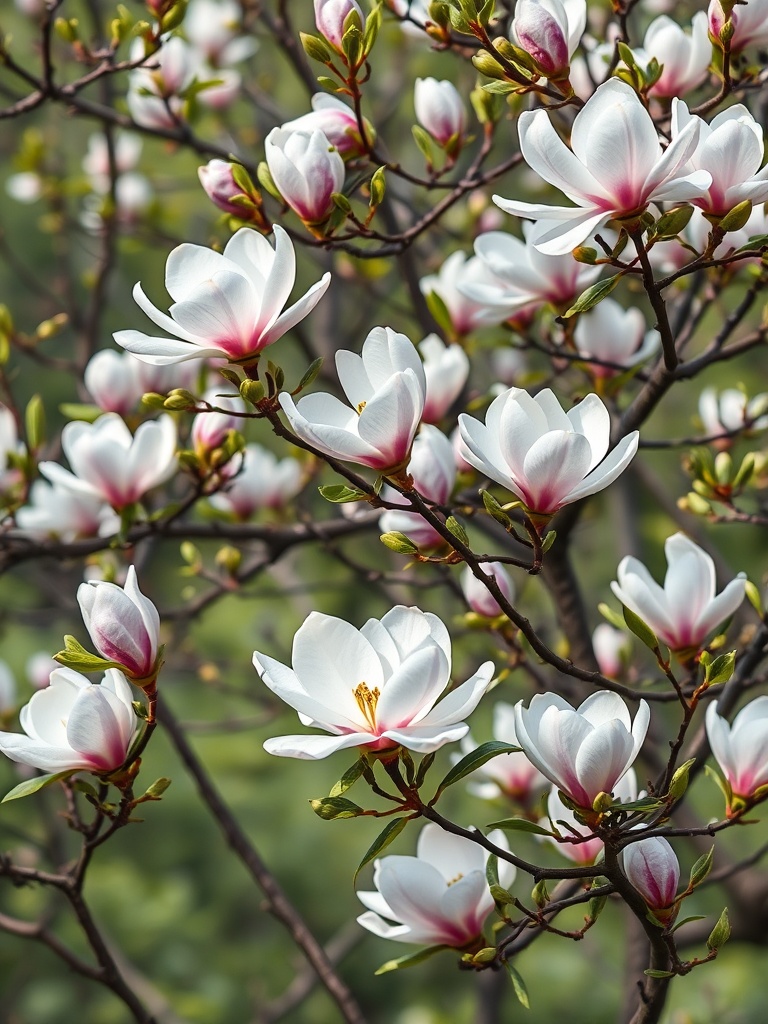
– Striking flowers: From cup-shaped saucer magnolias to star-shaped blooms and the large, creamy blossoms of southern magnolias, the floral display is a major draw.
Many varieties also offer a pleasant fragrance.
– Year-round interest: Evergreen types provide glossy leaves and structure through winter, while deciduous species give dramatic spring blooms and attractive branch architecture in colder months.
– Wildlife value: Magnolias attract pollinators and can provide shelter for birds.
Choosing the right type
Match a magnolia species to your climate and space. Smaller varieties like star and saucer magnolias suit tighter spaces and can handle cooler climates, while larger evergreen types need room to spread and do best where winters are milder. Consider mature height and canopy spread—some magnolias reach mature sizes quickly and require substantial planting space.
Planting tips
– Location: Select a site with full sun to partial shade and good air circulation. Avoid low spots where water ponds.
– Soil: Magnolias prefer slightly acidic to neutral, well-draining soil rich in organic matter. If your soil is heavy clay, amend with compost and consider raised planting beds.
– Planting depth: Set the root flare at or just above ground level. Backfill gently and water deeply to settle soil.
Watering and mulching
Newly planted magnolias need consistent moisture until established. Deep, infrequent watering encourages a strong root system. Apply a 2–4 inch layer of organic mulch around the root zone, keeping it pulled back a few inches from the trunk to prevent rot. Mulch conserves moisture and moderates soil temperature.
Feeding
Use a slow-release, balanced fertilizer formulated for trees and shrubs during the active growth period. Avoid overfertilizing, which can promote excessive, weak growth and reduce flowering.
Pruning and maintenance
Light pruning to shape and remove dead or crossing branches can be done after flowering for deciduous varieties to avoid cutting off next season’s buds.
Evergreen magnolias respond poorly to hard pruning—remove only dead or damaged limbs and avoid severe topping. Regularly inspect for suckers at the base and remove them promptly.
Propagation methods
Popular techniques include:
– Softwood cuttings with rooting hormone for some species.
– Air-layering for large cultivars or to preserve a desirable form.
– Seeds for species where it’s acceptable to wait for slower, more variable results; many seeds need stratification to germinate.
Pests and diseases
Common issues include scale insects, magnolia borer, and fungal leaf spots.
Good cultural care—proper site selection, adequate watering without waterlogging, and sanitation—reduces disease risk. For scale and borers, early detection is key; consult local extension resources for recommended treatments tailored to your region.
Landscape uses and companions
Magnolias work well as focal specimen trees, flowering hedges (with smaller varieties), or street trees where space allows. Pair with understory plants that appreciate similar soil and moisture, such as rhododendrons, azaleas, hostas, and ferns. Avoid aggressive turf competition at the drip line to help young roots establish.
With thoughtful selection and basic care, magnolias reward gardeners with long-lived beauty, fragrance, and seasonal drama. Start with the right variety for your site, give it room and consistent care, and a magnolia can become a treasured centerpiece for years of enjoyment.