
 Emma Jantzen
 Carolina Lowcountry Travel Guide: Marshes, Gullah Culture, Seafood & Outdoor Adventures
The Carolina Lowcountry is a coastal landscape where tidal marshes, meandering creeks, barrier islands, and historic towns combine to create a distinctive cultural and ecological region. For travelers and locals alike, the Lowcountry offers a mix of outdoor adventure, rich culinary tradition, and living history — all shaped by the tides.
What makes the Lowcountry special
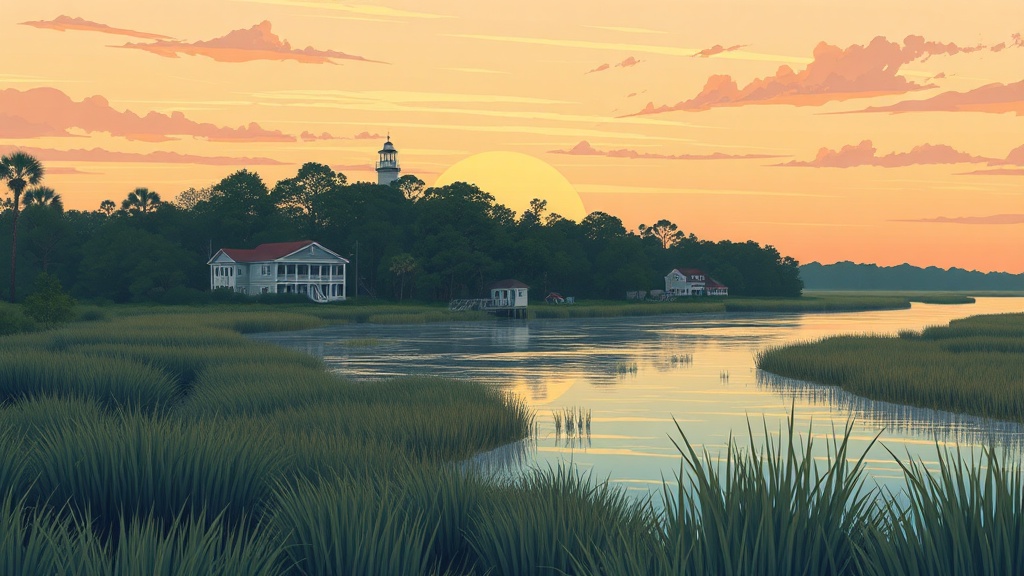
Salt marshes dominate the Lowcountry and act as the region’s foundation. These wetlands filter water, buffer storm surge, sequester carbon, and support a huge diversity of life from fiddler crabs to migratory shorebirds. Barrier islands and tidal creeks provide crucial nursery habitat for shrimp, oysters, and fish that fuel both commercial fisheries and local tables. The landscape’s slow-moving rhythm — tides, salt air, and long summer light — gives the region its unmistakable character.
Culture and cuisine
Lowcountry cuisine reflects this watery bounty.
Shrimp, crab, oysters, and rice dishes are culinary cornerstones. Classics like shrimp and grits, she-crab soup, and Lowcountry boil showcase simple ingredients prepared to highlight local flavor. Equally important is the cultural heritage of the Gullah-Geechee people, whose language, crafts (notably sweetgrass basket weaving), music, and foodways are woven into the region’s identity. Supporting Gullah artists and cultural sites helps sustain traditions that continue to thrive alongside modern life.
Outdoor experiences
Outdoor options are abundant and accessible. Kayaking through tidal creeks reveals secret oyster bars and close-up encounters with herons, egrets, and playful dolphins. Guided boat trips and eco-tours offer interpretive experiences that deepen understanding of marsh ecology and local fisheries. Beachgoers can find everything from remote, undeveloped shorelines to family-friendly stretches with lifeguards and amenities. Birdwatching is especially rewarding during migration windows, with a variety of shorebirds and raptors making seasonal appearances.
Conservation and resilience
The Lowcountry faces environmental pressures including shoreline erosion, habitat loss, and changing tidal patterns. Conservation efforts focus on living shorelines, marsh restoration, and oyster reef rebuilding — nature-based approaches that stabilize coastlines while enhancing habitat. Community-driven initiatives, such as volunteer oyster planting and habitat monitoring, offer meaningful ways for residents and visitors to contribute.
Practical tips for visitors
– Respect tides and local signage: Tidal currents can change access to beaches and marshes quickly; pay attention to posted guidance and tidal schedules.
– Choose guided experiences when possible: Local guides provide safety, ecological context, and support small businesses and local stewards.
– Practice wildlife etiquette: Observe nesting birds and seals from a distance, keep dogs leashed where required, and avoid trampling vegetation.
– Eat local and seasonally: Sampling seafood from sustainable sources and dining with small, family-run establishments helps sustain the local economy and fisheries.
– Support cultural sites: Visit museums, markets, and cultural centers to learn about Gullah-Geechee history and support artisans.
Why the Lowcountry matters
Beyond its scenic appeal, the Carolina Lowcountry is an active laboratory of conservation, culture, and coastal living.
The region’s ecosystems provide vital services to people and wildlife, while its culinary and cultural traditions offer a powerful connection to place. Whether paddling a quiet creek, sipping a bowl of she-crab soup, or watching marsh birds at dusk, experiencing the Lowcountry rewards visitors who come with curiosity and respect for this unique coastal system.