
 Emma Jantzen
 Cajun Cooking Essentials: How to Master Roux, the Holy Trinity, Gumbo, Jambalaya & Pantry Staples
Cajun cooking is a vibrant, ingredient-driven cuisine born from resourceful cooks who transformed simple pantry staples into bold, comforting dishes. Rooted in the bayou and swamp country, it celebrates smoky, spicy, and deeply savory flavors built on a handful of techniques and a few essential components.
Foundations: roux, the holy trinity, and seasoning
At the heart of many Cajun dishes is the roux — a slow-cooked mixture of fat and flour that develops color and nutty depth. Roux ranges from pale blond for lighter sauces to a dark brown that adds smoky complexity; patience and low heat are key to avoid burning. Equally important is the “holy trinity”: onions, bell peppers, and celery chopped fine and sautéed until softened. These aromatics form the backbone of gumbo, jambalaya, étouffée, and many stews.
A distinctive Cajun seasoning balance leans on paprika, cayenne, garlic powder, onion powder, black pepper, and sometimes dried herbs like thyme and oregano. Salt ties everything together.
Homemade blends let you control heat and sodium, while commercial blends offer convenience.
Signature dishes and how they differ
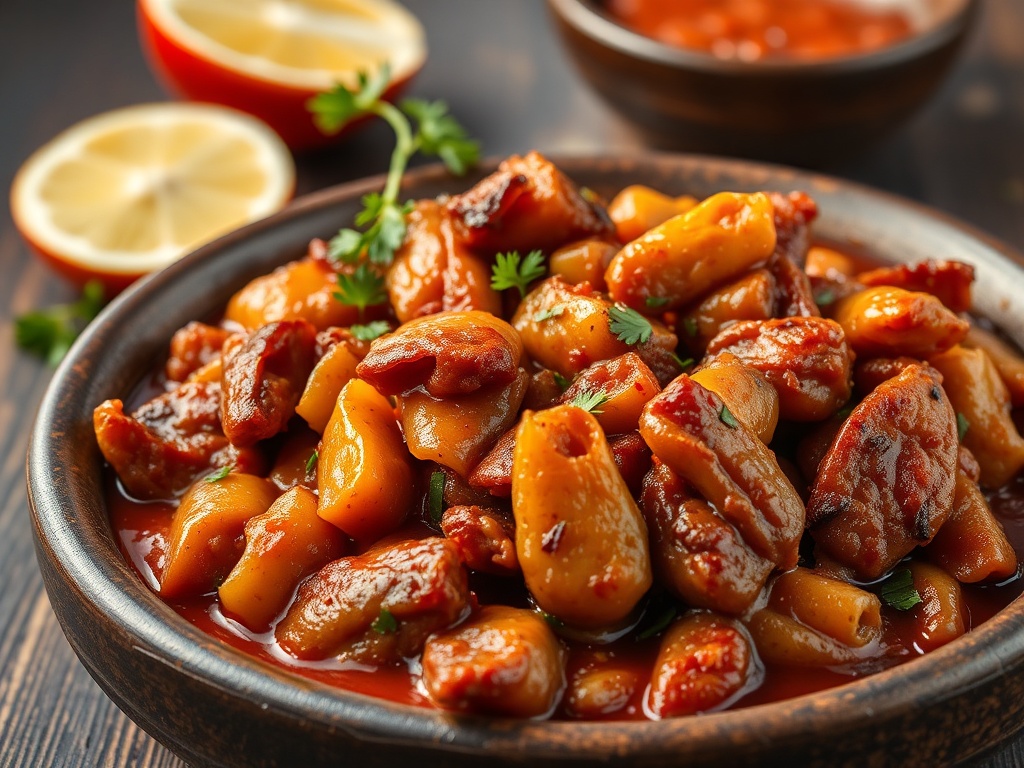
– Gumbo: A thick, stew-like dish often finished with okra or filé powder (ground sassafras leaves) for body.
Protein choices vary from shellfish and crab to chicken and sausage.
Gumbo’s depth comes from stock, a dark roux, and long simmering.
– Jambalaya: A one-pot rice dish where rice cooks directly with meat or seafood and vegetables, absorbing flavors. Two main approaches exist: meat-first (similar to paella) and stock-first, but both prioritize a good toasted rice texture.
– Étouffée: Typically lighter than gumbo, étouffée features a blond roux and focuses on a single protein—crawfish or shrimp—served over rice.
– Blackened techniques: Pat proteins dry, coat in a high-spice rub, then sear in a hot skillet for a charred crust and smoky flavor.
Pantry staples to keep on hand
– All-purpose flour and a neutral oil or butter for roux
– Long-grain rice
– Andouille or smoked sausage (or a smoked kielbasa substitute)
– Bay leaves, thyme, oregano
– Paprika, cayenne, garlic and onion powders
– Stock (chicken, seafood) or bouillon
– File powder and dried okra as thickening options
– Canned tomatoes (for certain jambalaya styles) and canned or frozen okra
Technique tips for better results
– Start roux on low heat and stir constantly; it may take time, but color develops without burning.
– Browning proteins before adding liquid adds caramelized flavor that enriches stews and rice dishes.
– For clear, flavorful gumbo, simmer gently; for jambalaya, avoid stirring too much once rice is added to prevent mushy grains.
– Adjust cayenne gradually—Cajun food is meant to be lively, not overwhelming.
Sourcing ingredients and local twists
Fresh seafood elevates Cajun dishes, but frozen shrimp and crawfish tails can be excellent substitutes when fresh is unavailable. Many cooks adapt recipes to local produce and preferred heat levels; smoked paprika replaces andouille for a smokiness without the sausage, and mushrooms or eggplant can stand in for meat in vegetarian takes.
Cajun cooking rewards patience and boldness: slow-building flavors, careful seasoning, and respect for technique deliver soulful meals that feed both body and spirit. Try mastering a basic roux and a classic jambalaya, then experiment—Cajun cuisine invites improvisation and celebrates what’s on hand.