
 Emma Jantzen
 Gulf Coast Beaches: Your Guide to Shelling, Water Sports, Wildlife & Conservation
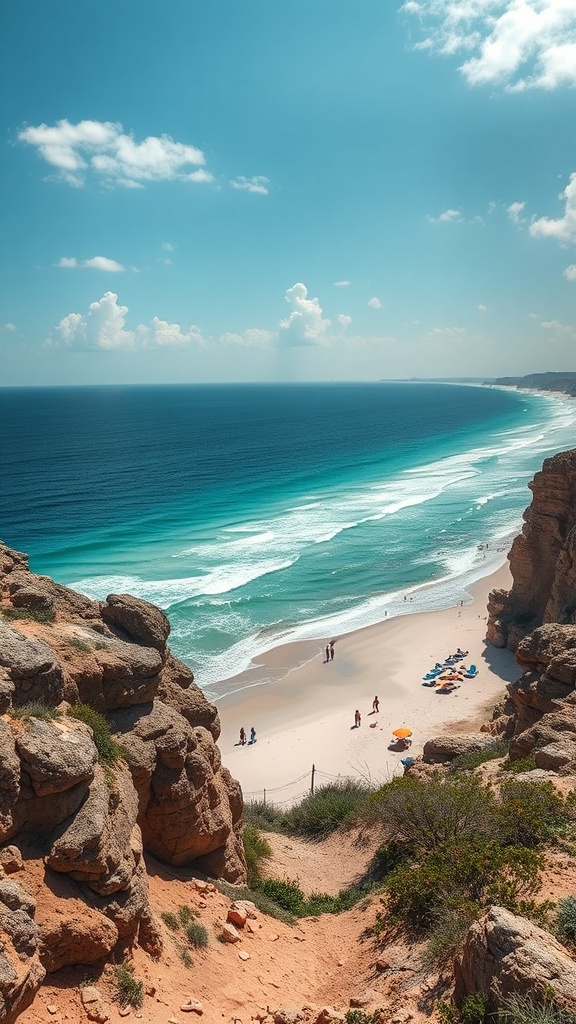
The Gulf coast offers some of the most relaxed, sun-drenched beaches, where wide sugar-white sand meets calm, warm waters. Whether you’re after quiet shelling along a remote barrier island, family-friendly wading, or active days of paddleboarding and fishing, gulf beaches deliver a mix of recreation, wildlife, and coastal scenery that rewards thoughtful visits.
What makes gulf beaches special
Gulf beaches tend to feature gentle wave action and shallow slopes, which makes them welcoming for kids and newer swimmers. The sand often ranges from powdery white to soft tan, and many stretches are backed by dunes and maritime forests that shelter shorebirds and native plants. These combined elements create excellent conditions for shelling, sunset photography, and low-impact water sports.
Top activities and where to focus
– Shelling: Walk early or after storms along the wrack line for the best finds. Take only empty shells and avoid removing shells that house living organisms.
– Paddleboarding & kayaking: Protected bays and inlets are ideal for exploring mangroves and oyster reefs. Bring a leash and PFD, and watch boat traffic when near channels.
– Fishing: Nearshore reefs, jetties, and piers produce great catches. Follow local licensing rules and size limits, and practice catch-and-release where advised.
– Wildlife watching: Migratory birds, dolphins nearshore, and nesting sea turtles are highlights. Use binoculars and keep distance to avoid disturbance.
– Photography: Gulf sunsets are famously dramatic — position yourself to include foreground elements like dune grasses, piers, or shells for added depth.
Wildlife and conservation priorities
Gulf beaches are dynamic habitats. Dunes and beach grasses stabilize sand, provide habitat for shorebirds, and buffer storm impacts.
Sea turtles nest on many gulf shores during spring and summer; nesting females and hatchlings are extremely sensitive to light and human disturbance. Artificial light from buildings, beach gear, or vehicles can disorient hatchlings and should be minimized.
Coastal restoration efforts focus on dune rebuilding, native vegetation planting, and “living shoreline” projects that use natural materials to reduce erosion. Supporting local conservation groups or participating in volunteer beach cleanups helps maintain these fragile ecosystems.
Safety and water quality
Common hazards include rip currents, marine life stings, and occasional harmful algal blooms like red tide. Always:
– Check local beach advisories for water quality and wildlife alerts before going.
– Learn rip current escape techniques: swim parallel to shore until free of the current, then head back to land.
– Use broad-spectrum sunscreen and reapply regularly; stay hydrated and seek shade during peak sun hours.
– Keep an eye on weather changes, especially if boating or kayaking.
Leave-no-trace tips
– Pack reusable water bottles and avoid single-use plastics to reduce marine debris.
– Take all trash and fishing line with you; lost line entangles wildlife.
– Respect posted signs and nesting areas; use designated walkways to protect dunes and vegetation.
– If collecting shells, only take empty, intact ones and never disturb living creatures.
Final thought
Gulf beaches reward mindful visitors with laid-back recreation, stunning sunsets, and close encounters with coastal wildlife. Simple choices—staying informed about conditions, following local rules, and protecting dunes and nesting areas—ensure these beaches stay healthy and enjoyable for everyone who comes to relax and explore.