
 Emma Jantzen
 Cajun Cooking 101: Master the Trinity, Roux, Gumbo & Jambalaya
Cajun cooking is a bold, soulful cuisine built on simple techniques, pantry staples, and big flavors. Rooted in rural, resourceful cooking, it celebrates what’s available—seafood from the coast, smoked meats from the smokehouse, and vegetables from the garden—transformed into deeply satisfying dishes through foundational methods like making a roux, building a flavor base, and slow simmering.
Core elements to know
– The Trinity: Onion, bell pepper, and celery are the aromatic backbone of most Cajun dishes. Chop them uniformly and start dishes with a slow sweat to develop flavor without bitter edges.
– Roux: A mixture of fat and flour browned to develop nutty complexity. A blond roux adds thickness with a mild flavor; a dark roux brings smoky, almost coffee-like notes and is perfect for gumbo. Stir constantly and control heat to avoid burning.
– Seasoning: A simple blend of salt, black pepper, cayenne, and paprika is often enough. Smoked and spicy components—like smoked sausage or a pinch of cayenne—add signature depth.
– Seafood & meat: Shrimp, oysters, crab, and fish coexist with smoked sausage, ham hocks, and chicken.
Treat delicate seafood with a light hand to avoid overcooking.
Classic dishes and techniques
– Gumbo: Starts with a roux, builds with the trinity and stock, and finishes with filé powder (ground sassafras leaves) or okra for thickening. Use a dark roux for an earthy backbone, add shellfish or chicken-and-sausage combinations, and simmer gently to marry flavors.
– Jambalaya: A one-pot rice dish that absorbs the cooking liquid, making timing crucial. Sauté the trinity and protein, toast rice briefly, then simmer with stock and spices until tender.
There are two main styles: one where rice is cooked in the same pot (Creole-style often with tomatoes) and one where the rice is cooked with the rest until it absorbs all flavors.
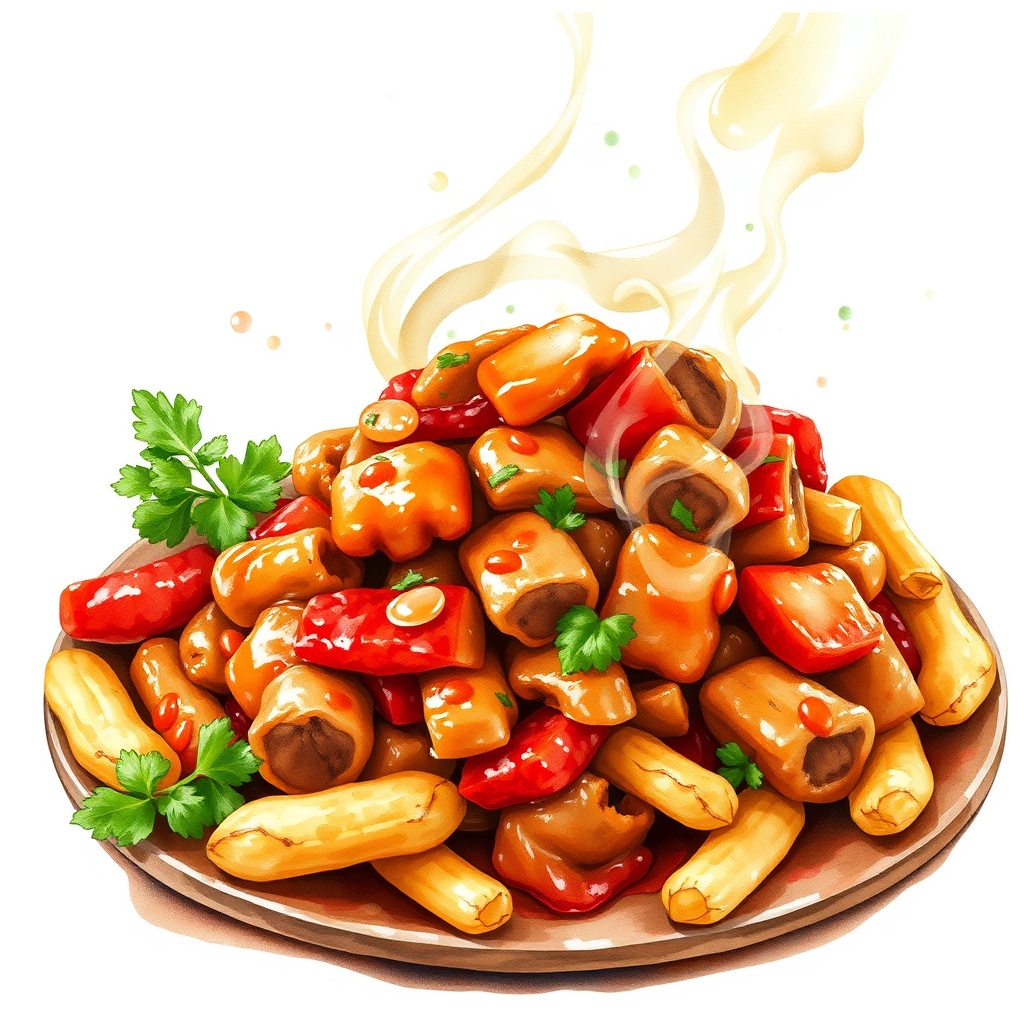
– Blackening: A high-heat searing technique where fish or chicken is coated in spices and cooked in a hot cast-iron skillet to form a deeply seared crust. Use clarified butter to prevent smoking and maintain flavor.
Practical tips for home cooks
– Control the roux: Use moderate heat for a blond roux and lower heat for a dark roux; patience yields flavor. If the roux breaks or lumps form, strain if necessary and continue—small imperfections rarely ruin the final dish.
– Layer flavors: Add ingredients at stages—aromatics first, then proteins, then liquids—so each component contributes distinct notes.
– Use a heavy pot: Cast iron or enameled Dutch ovens distribute heat evenly and handle long simmers better.
– Make ahead: Gumbo often tastes better the next day as flavors meld. Reheat gently and add a splash of stock if it tightens up.
– Seafood safety: Add shrimp and delicate fish near the end of cooking; they become rubbery if overcooked. Ensure shellfish is fresh and sourced from reputable suppliers.
Substitutions and adaptations
– Vegetarian gumbo: Replace meat and seafood with mushrooms and smoked tempeh or smoked paprika for a similar umami profile. Use vegetable stock and okra or filé as thickeners.
– Rice alternatives: Cauliflower rice can work for jambalaya-style dishes—cook it briefly to keep texture and avoid sogginess.
– Heat control: Adjust cayenne and hot sauce to taste; balance fiery elements with smoky or tangy components like lemon juice.
Cajun cooking thrives on improvisation and bold taste. Start with the basics—trinity, a careful roux, and good stock—and let experimentation with proteins, heat levels, and finishing touches guide you to a kitchen repertoire full of savory comfort and vibrant Southern character.
Try a small pot of gumbo or a skillet of jambalaya to experience how these simple techniques produce deeply satisfying results.