
 Emma Jantzen
 Bayou Life: Cajun Cuisine, Community Traditions, and Wetland Conservation
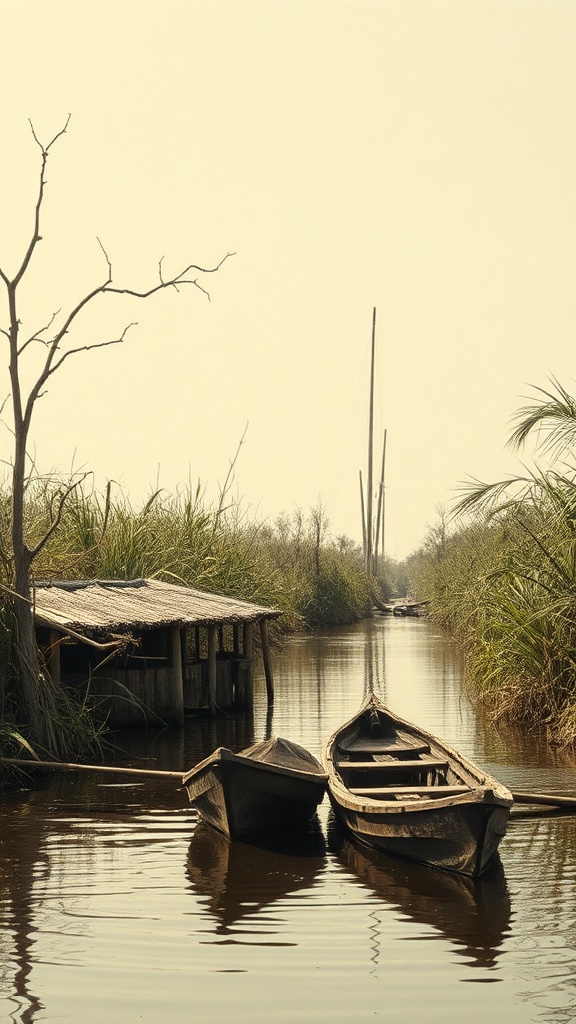
Bayou life moves at the pace of water — slow, deep, and full of hidden currents. Moss-draped cypress trees rise from glassy channels; kingfishers flash electric blue as they dive; a lone pirogue cuts a spiderweb of ripples across mirrored water. That rhythm shapes a way of living rooted in resilience, community, and a deep knowledge of place.
Daily rhythms and livelihoods
For many who call the bayou home, days start before sunrise with nets, traps, or a cast line.
Shrimpers, crabbers, and crawfishers know the tides and moon phases better than the calendar. Fishing and harvesting are often family affairs, with skills passed down through generations.
Garden plots and raised beds supplement diets when seafood is scarce, and small-scale farming traditions remain important in many communities.
Cuisine and culture
Bayou cuisine is an expression of place: gumbo, jambalaya, étouffée, and seafood boils are built from what the water provides and the pantry preserves. Spices are generous; roux is dark and slow-cooked; okra and file powder add texture and flavor. Food is communal — a way to celebrate harvests, weddings, and neighborhood gatherings.
Music, language, and crafts reflect a blend of influences. Zydeco and Cajun accordion-driven tunes fill community halls; French and Creole words still pepper conversations. Boat-building, net-mending, and basket-weaving remain living crafts, connecting craftspersons to both tradition and income.
Wildlife and wetlands
Bayous are biological hotspots. Wading birds, migratory ducks, and raptors feed in shallow marshes. Alligators and otters glide through submerged grasses, while freshwater mussels and oysters filter water and build habitat.
The marshes and swamps act as natural shields, absorbing storm surge and reducing erosion. They also store carbon in deep peat and detritus, making them invaluable in climate resilience efforts.
Challenges and stewardship
Bayou communities face pressures from development, pollution, and changing water patterns. Land subsidence and saltwater intrusion can convert freshwater marsh to open water, altering habitats and livelihoods. Runoff from agriculture and urban areas risks nutrient overload and hypoxic zones that stress fishery stocks.
There are promising responses: community-led restoration projects rebuild oyster reefs and replant marsh grasses; managed sediment diversions and barrier islands help slow shoreline loss. Local fisheries increasingly adopt sustainable practices — trap limits, seasonal closures, and selective gear — to maintain healthy populations for future harvests.
Responsible ways to experience the bayou
Ecotourism offers a bridge between visitors and stewardship when done respectfully. Choose small, locally owned operators who prioritize wildlife safety, cultural sensitivity, and low-impact boating. Learn the etiquette: keep distance from nests and dens, avoid feeding wildlife, and follow leave-no-trace principles.
Kayaking and guided walks reveal quiet corners without disturbing fragile habitats.
Supporting the bayou
Support can be as simple as buying locally harvested seafood, volunteering with restoration groups, or advocating for policies that fund wetland protection. Cultural preservation matters too — attending local festivals, supporting artisans, and listening to elders helps keep traditions vibrant.
Bayou life is a mosaic of custom, ecology, and adaptability.
Its water-carved landscapes and people offer lessons in living with the land rather than against it. Protecting that balance ensures the next generation can still hear the accordion by the water, taste the smoky roux, and watch sunlight through cypress knees.