
 Emma Jantzen
 Why Remote Workers Are Moving to Atlanta: Best Neighborhoods, Coworking Spots & Relocation Tips
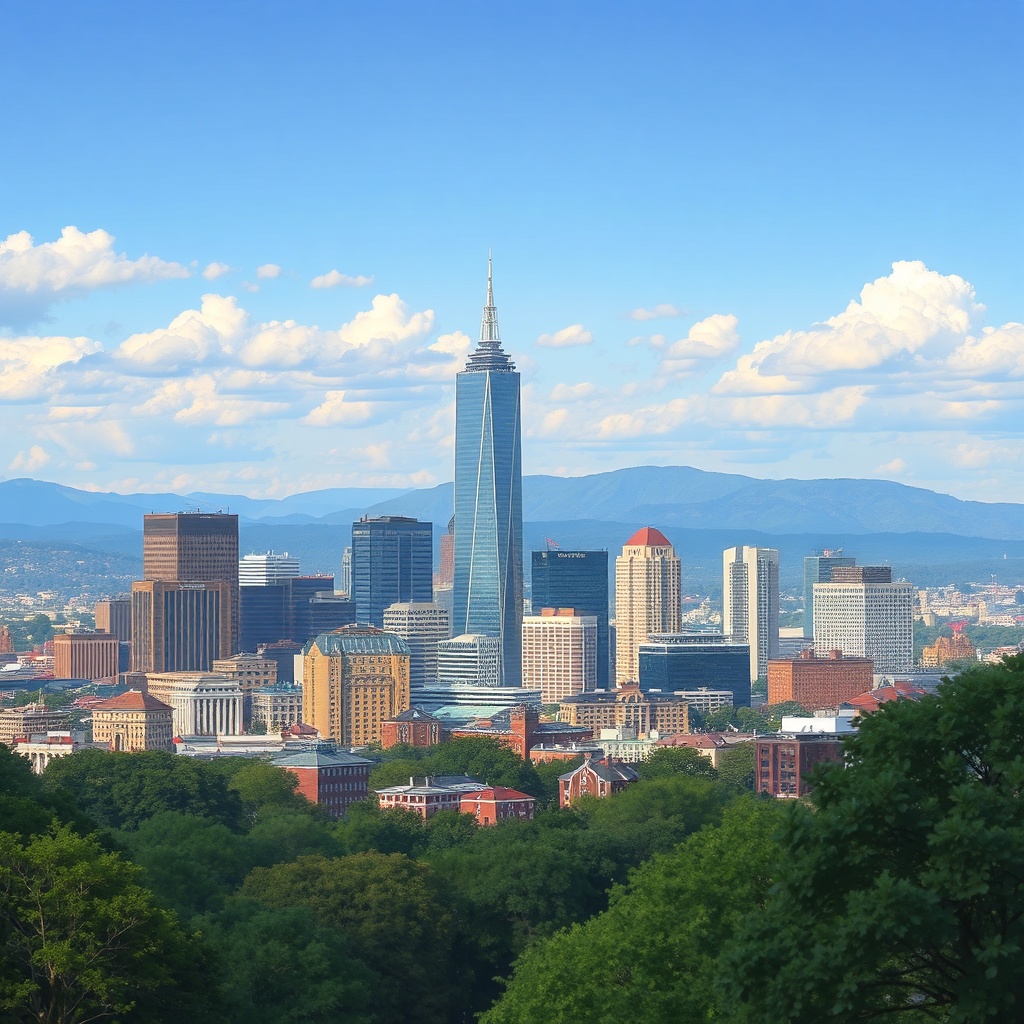
Atlanta has become a top choice for professionals who work remotely but still want the energy of a big city. The city combines strong connectivity, diverse neighborhoods, and an active cultural scene—making it easy to balance productivity with a high quality of life.
Why remote workers choose Atlanta
Atlanta offers a mix of urban amenities and affordable living compared with other major metros. Fast internet and a growing tech community support remote-first careers, while plentiful coworking options and public workspaces provide flexibility. For frequent travelers, a major international airport and regional hubs make in-person meetings and weekend getaways easy.
Neighborhoods that suit remote work styles
– Midtown: Walkable and centrally located, Midtown features coworking spaces, coffee shops, and cultural institutions.
Parks and dining options make it simple to step away from the laptop without losing momentum.
– Inman Park and Old Fourth Ward: Known for tree-lined streets and local cafes, these neighborhoods are ideal for people who want a neighborhood feel with city access.
The Atlanta BeltLine and nearby green spaces encourage outdoor breaks.
– Buckhead: If upscale amenities and shorter commutes to corporate offices matter, Buckhead offers high-end dining, shopping, and reliable transit connections.
– Decatur: A smaller-city vibe with a strong community focus, Decatur has excellent restaurants, good schools, and a relaxed pace—appealing to those who want a quieter routine.
– West Midtown: A hub for creatives and startups, West Midtown blends industrial-chic venues with galleries, breweries, and flexible workspaces.
Coworking, connectivity and community
Atlanta’s coworking market ranges from boutique spaces with dedicated desks to large facilities offering private offices and event programming.
Many public libraries and university campuses also provide meeting rooms and quiet areas. A healthy mix of tech meetups, startup incubators, and industry events helps remote workers stay connected professionally without commuting into a corporate office.
Getting around and staying active
Public transit and trail networks help keep days mobile. The city’s rail and bus routes connect several neighborhoods, while the BeltLine and greenway systems make cycling and walking viable options for short commutes and lunchtime breaks. For outdoor enthusiasts, nearby rivers, parks, and hiking spots allow for easy nature escapes, supporting a balanced routine between focused work and physical activity.
Food, culture and downtime
Atlanta’s dining scene spans Southern comfort food, international flavors, and a thriving craft beverage community. Music venues, museums, and sports facilities offer entertainment after hours and on weekends. Neighborhood markets, food halls, and pop-up events create social opportunities that make it easy to meet neighbors and build a local network.
Practical tips for relocating or trying the city
– Test multiple neighborhoods with short-term stays before committing.
– Prioritize internet speed and workspace ergonomics when selecting housing.
– Explore coworking day passes to evaluate culture and amenities.
– Factor parking and transit options into commuting decisions, especially if planning hybrid office days.
– Tap local community groups and social calendars to find professional and social meetups.
Atlanta blends Southern charm with modern infrastructure, creating an environment where remote workers can thrive professionally and enjoy a rich civic life. Whether seeking energetic city sidewalks or quieter residential streets, there’s a neighborhood and rhythm in Atlanta that fits most remote work styles.