
 Emma Jantzen
 Bayou Life Essentials: Wildlife, Fishing, Local Food, and How to Visit Responsibly
The bayou is where water, wildlife, and culture meet in a slow, emerald rhythm. Whether you’re gliding through cypress knees at dawn, dragging a line for bass, or savoring a steaming bowl of gumbo on a porch, bayou life blends nature’s pace with human tradition. Here’s a practical guide to what makes bayous special and how to enjoy them responsibly.
What defines bayou life
Bayous are slow-moving waterways threaded through marshes and bottomland forests.
Dominated by iconic bald cypress draped in Spanish moss, they create sheltered habitats for a remarkable diversity of species. Wading birds, otters, turtles, and the unmistakable silhouette of the alligator are regular sights.
The mix of freshwater and brackish environments along coastal bayous also supports shrimping, crabbing, and the seasonal harvest of crawfish that fuels local culinary traditions.
Wildlife and birding tips
Bring binoculars and a patient attitude. Early morning and late afternoon are peak activity times for wading birds like herons, egrets, and ibis.
For photographers, reflections in glassy water and the dramatic buttressed roots of cypress trees make compelling subjects—use a polarizing filter to reduce glare and enhance color.
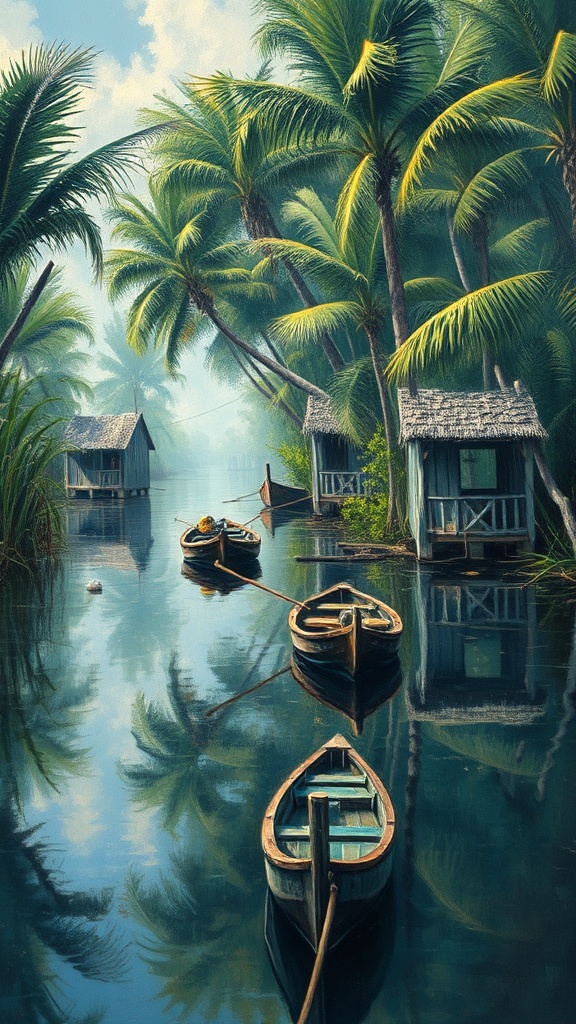
Be mindful of local wildlife: keep distance from nesting birds and never feed wild animals. If you encounter an alligator, back away slowly and give it room to leave the water.
Fishing, food, and local flavor
Fishing remains central to bayou communities. Largemouth bass, catfish, and crappie are common targets in freshwater stretches, while closer to the coast anglers pursue redfish and speckled trout.
Popular culinary staples come straight from the water: a roux-thickened gumbo, a spicy jambalaya, or a buttery plate of boiled shrimp. Visiting a local fish house or farmers market gives the best taste of regional cooking and supports the community.
Boating, gear, and safety
Shallow drafts and quiet motors are ideal for navigating bayous. Canoes, kayaks, and small johnboats are common. Always wear a life jacket, carry a basic VHF radio or charged phone in a waterproof case, and check tide and weather conditions before you go.
Mosquitoes can be relentless—dress in long sleeves and use EPA-registered repellents. Pack drinking water, sunscreen, and a basic first-aid kit. Check local regulations for fishing licenses and protected species rules.
Conservation and responsible visitation
Bayou ecosystems face pressures from coastal erosion, altered water flow, pollution, and invasive species like nutria that damage marsh plants.
Supporting local conservation initiatives—through donations, volunteer programs, or visiting responsibly—helps protect these habitats. Practice Leave No Trace principles: take out what you bring in, avoid disturbing vegetation, and stick to marked channels where required.
Cultural connections
Bayou life is not just wildlife and scenery; it’s shaped by people.
Cajun and Creole traditions, music, and festivals are woven into daily life. Sharing a meal, listening to live music at a local venue, or booking a guided eco-tour are excellent ways to learn about regional history and support resident stewards of the landscape.
Final thoughts
Experiencing a bayou rewards patience and curiosity.
Move quietly, observe closely, and show respect for the natural rhythms and cultural heritage you encounter. The result is a deeper appreciation of a landscape where every bend in the water tells a story.