
 Emma Jantzen
 Atlanta Travel Guide: Explore the BeltLine, Top Neighborhoods, Food & Culture
Atlanta pulses with the energy of a modern Southern metropolis — a place where historic neighborhoods meet cutting-edge culture, where green corridors and skyline views sit side-by-side, and where food, film, and growth keep reshaping the city’s identity.
Why Atlanta draws attention
Atlanta’s appeal comes from variety. A global air hub connects the city to the world, while a robust film and media production scene drives jobs and creativity in the region.
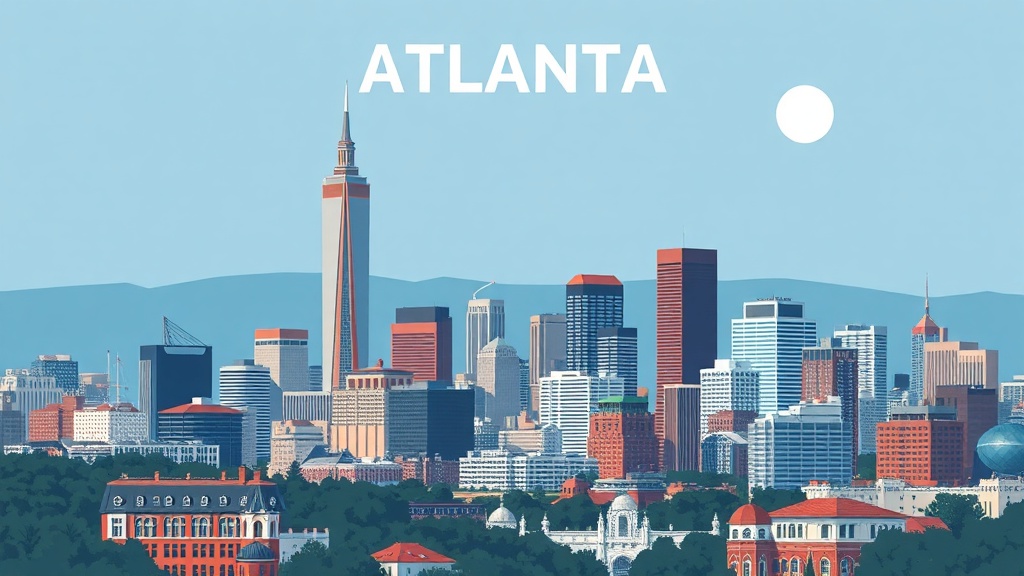
The city’s reputation as a business and cultural center attracts innovators, chefs, artists, and entrepreneurs, creating a compact urban landscape that’s constantly evolving.
The BeltLine and the new urban fabric
One of the most transformative projects reshaping Atlanta is the multi-use trail and redevelopment corridor that links neighborhoods, parks, public art, and local businesses. The BeltLine extends walkable green space, stimulates mixed-use development, and makes it easier to discover districts like Old Fourth Ward, Inman Park, and the Westside. Along the trail, food halls, pop-up markets, and galleries thrive, making it a go-to route for both locals and visitors.
Neighborhoods to explore
– Midtown: The arts and business heart, anchored by museums, theaters, and a dense walkable core.
Ideal for museum hopping and nightlife.
– Poncey-Highland & Old Fourth Ward: Dynamic dining options, historic architecture, and access to the BeltLine and Ponce City Market.
– Westside & West Midtown: A creative industrial corridor now home to galleries, breweries, and chef-driven restaurants.
– Buckhead: Upscale shopping, dining, and impressive commercial towers paired with leafy residential streets.
– Historic neighborhoods: For cultural history, head to the Martin Luther King Jr. National Historical Park and surrounding locales.
Eating and drinking: a culinary crossroads
Atlanta’s food scene blends Southern tradition with global flavors. From barbeque and soulful comfort food to inventive tasting menus and vibrant markets, the city rewards discovery. Food halls and night markets are hotspots for new concepts, while longstanding establishments serve as culinary anchors. Coffee roasters, craft breweries, and cocktail bars fill the gaps between meals, making neighborhoods lively throughout the day.
Arts, sports, and entertainment
The visual and performing arts are well-represented, with museums, independent galleries, and performance venues offering year-round programming. Major sporting franchises and outdoor concert stages keep the calendar full of events for fans of all kinds. Film production activity also brings premieres, studio tours, and a steady pipeline of industry talent to the area.
Getting around
Driving is common, but walking, biking, and public transit are increasingly practical. The regional rail service and bus network connect many neighborhoods, and bike-friendly sections of the BeltLine make active transportation appealing for short trips. Rideshares and scooters add convenient last-mile options.
Practical tips
– Plan around peak traffic times if driving.
– Pack layers: the climate is generally mild, with warm summers and cool, comfortable winters.
– Use the BeltLine and neighborhood markets to sample local food and art without needing a car.
– Book popular attractions and dining in advance during festival weekends.
Atlanta keeps reinventing itself while holding onto the elements that define its character: Southern hospitality, cultural diversity, and entrepreneurial spirit. Whether discovering a new restaurant in a repurposed factory, strolling public art-lined trails, or catching a local performance, the city offers an energized urban experience grounded in local flavor.