
 Emma Jantzen
 Bayou Life: How Water Shapes Wildlife, Food and Community
Bayou Life: The Rhythm of Water, Wildlife and Community
A bayou is more than swampy water and Spanish moss — it’s a living system where culture, cuisine and conservation flow together. Bayou life blends rich biodiversity with traditions shaped by water: fishing for a living, family gatherings around smoky grills, and communities that read tide and weather like a language.
Bayou ecology and wildlife
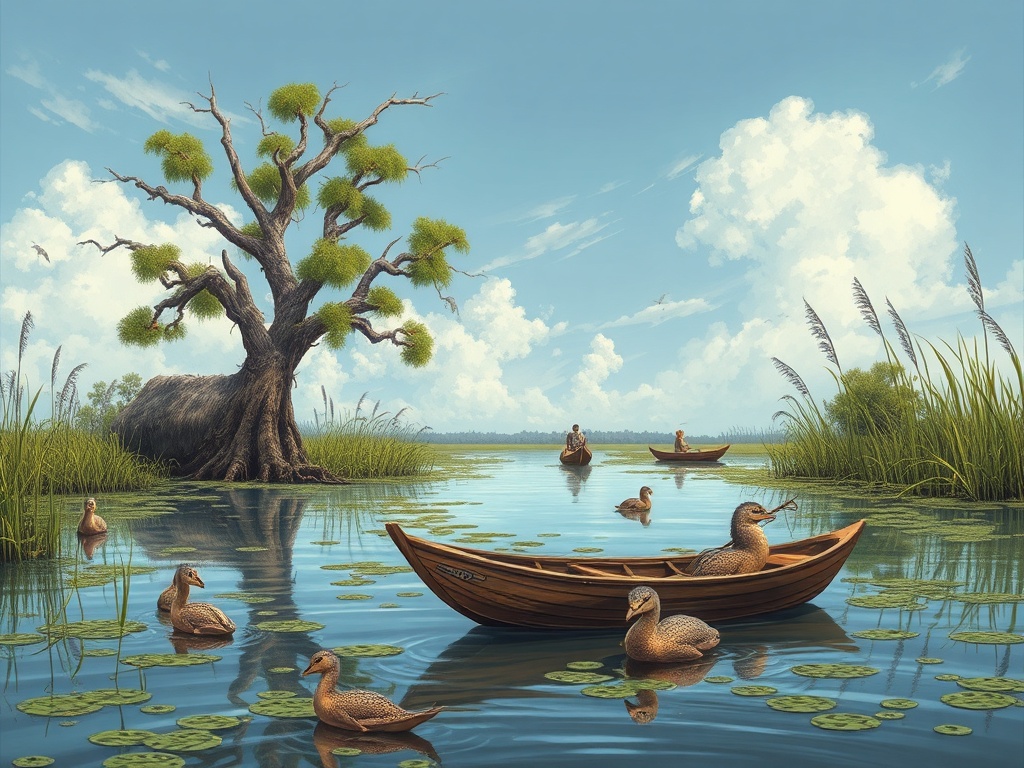
Bayous are slow-moving waterways set within wetlands that act as nurseries for fish, amphibians and crustaceans. Cypress and tupelo trees anchor muddy banks while submerged vegetation stabilizes sediments and filters water. Expect to find a layered ecosystem: wading birds stalking shrimp and small fish, turtles basking on exposed roots, and otters or raccoons foraging along the edges. For wildlife watchers and nature photographers, the quiet patience of the bayou reveals dramatic moments — herons unfolding into flight, dragonflies skimming mirrored water, or a catfish bumping the bottom in search of food.
Culture, food and traditions
Food is a central note of bayou life.
Local kitchens turn fresh catch into iconic dishes that reflect a history of resourcefulness and shared flavors. Shrimp, crawfish, oysters and mullet move from net to pot to communal table, often seasoned with bold spices, slow-smoked meats or roux-based sauces.
Bayou communities are also woven with music, language and festivals: songs that celebrate the river’s pulse, accents shaped by migrations, and gatherings that honor harvests and family ties. Hospitality here is practical and generous — neighbors trade catches, swap stories and pass on recipes that preserve identity.
Livelihoods and daily rhythms
Many livelihoods remain tied to the water: commercial and recreational fishing, guide services, boat-building, and small-scale agriculture adapted to wet conditions. Daily life is governed by tides, moon phases and seasonal migrations; equipment maintenance, net mending and weather-watching are routine skills. For residents, living with seasonal floods and storms fosters resilience — structures are elevated, canals used for drainage, and community networks mobilize quickly when the water rises.
Conservation and challenges
Bayous face pressures from development, pollution, invasive species and changing water patterns. Wetlands provide essential services — they store floodwaters, sequester carbon, and sustain fisheries — so protecting them benefits coastal communities and biodiversity alike.
Conservation efforts emphasize restoring natural flow, removing barriers to fish migration, replanting native vegetation, and supporting sustainable fishing practices. Community-led stewardship is powerful: local stewards, scientists and anglers often collaborate to monitor health and implement practical solutions.
Responsible visitation tips
If you visit a bayou, prioritize low-impact practices: stay on designated routes, avoid littering and respect wildlife from a distance. Hire local guides to deepen your understanding and support the economy. Taste local dishes, buy from small vendors, and learn a few cultural norms — politeness and curiosity go a long way.
A slow pace and quiet attention will reveal the bayou’s subtle beauty more than a checklist ever could.
The charm of bayou life is its blend of immediacy and endurance — immediate needs met by long-practiced skills, and fragile ecosystems sustained by generations of knowledge.
Whether you’re drawn by the wildlife, the food, or the stories, engaging respectfully will help ensure these watery landscapes remain vibrant for communities and creatures alike.