
 Emma Jantzen
 Gulf of Mexico Seafood Guide: How to Choose, Prepare, and Source Sustainably
The Gulf of Mexico is synonymous with rich, flavorful seafood. From plump Gulf shrimp to briny oysters and firm red snapper, Gulf seafood supplies coastal markets and restaurants with prized, versatile catches that are central to regional cuisine and popular nationwide. Understanding what makes Gulf seafood distinct — and how to choose, prepare, and source it responsibly — helps consumers enjoy it at peak flavor and safety.
What sets Gulf seafood apart
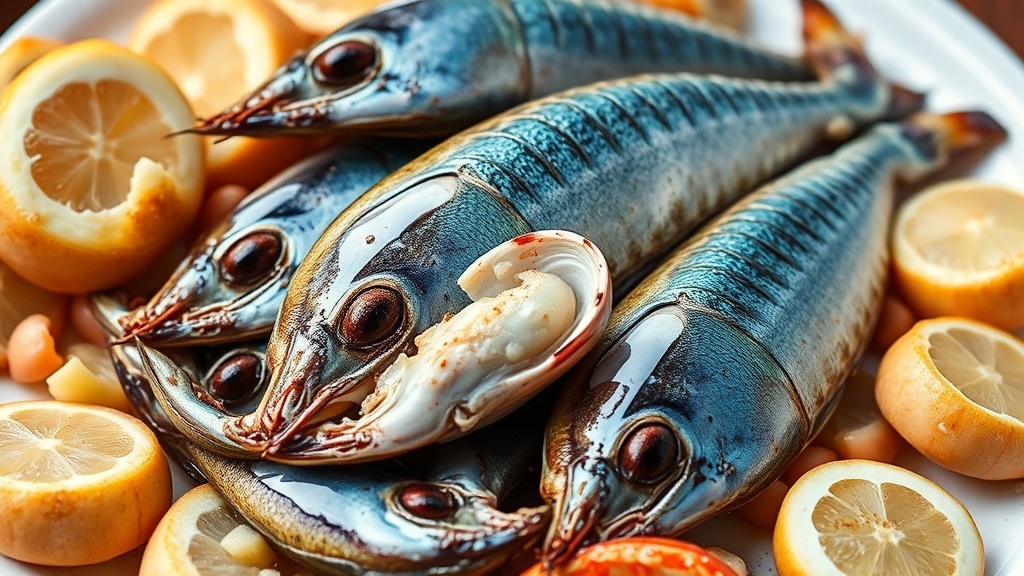
Gulf waters host a wide variety of species adapted to warm, productive ecosystems. Shrimp and oysters are signature products, prized for sweet taste and texture.
Grouper and snapper provide meaty fillets ideal for grilling or blackening.
Blue crab and stone crab bring shellfish richness to soups, boils, and salads. The ocean’s mix of shallow bays, estuaries, and deeper offshore habitats creates seasonal abundance that drives local traditions and menus.
Sustainability and responsible sourcing
Sustainable Gulf seafood hinges on science-based management and ongoing restoration efforts. Fisheries management councils set catch limits, size restrictions, and seasonal closures to protect stocks and spawning populations. Shrimp trawl bycatch reduction devices and circle hooks in some fisheries reduce unintended catch. Oyster reef restoration and shell plantings help rebuild habitat while supporting water quality.
When shopping, look for clear labeling (Gulf-caught, wild-caught, or farmed) and inquire about harvest methods. Certified seafood ecolabels and partnerships with reputable distributors can offer additional assurance. Buying from trusted local fishmongers or community-supported fisheries also supports traceability and nearby fishing communities.
Safety and handling tips
Seafood safety is essential for taste and health.
Store seafood cold — ideally on ice or in the coldest part of the refrigerator — and use within recommended hold times. Avoid cross-contamination by using separate cutting boards and utensils for raw seafood and other foods.
Shellfish, especially raw oysters, can carry Vibrio bacteria that pose higher risk to people with compromised immune systems, liver disease, or certain chronic conditions. Vulnerable groups should avoid raw oysters and other raw shellfish. Cooking seafood to an internal temperature of 145°F ensures pathogens are destroyed while preserving texture. When in doubt, follow local advisories for harvest-area closures or contamination alerts, which sometimes appear after storms or unusual events.
Health benefits
Gulf seafood is an excellent source of lean protein and heart-healthy omega-3 fatty acids. Regularly including fish and shellfish in balanced meals contributes to cardiovascular and brain health, while supplying vitamins and minerals like vitamin D, selenium, and iodine. Portioning and preparation methods — grilling, baking, or steaming instead of deep-frying — maximize nutritional benefits.
Simple Gulf-inspired preparations
– Blackened red snapper: coat fillets with a bold spice mix and sear in a hot skillet for a crisp crust and moist interior.
– Classic shrimp boil: simmer Gulf shrimp with corn, potatoes, and sausages, finishing with lemon and Old Bay-style seasoning.
– Grilled oysters: top shucked oysters with garlic-herb butter or a light mignonette and place briefly on a hot grill until edges bubble.
– Pan-seared grouper: salt, pepper, and a quick sear, then finish with a squeeze of citrus and fresh herbs.
Choose local, eat seasonally, and prioritize responsible practices when buying Gulf seafood. Whether enjoying a casual shrimp po’ boy or an elegant snapper fillet, mindful sourcing and proper handling ensure the best flavor and the safest experience from shore to table.