
 Emma Jantzen
 Why Atlanta Remains a Magnet: Neighborhoods, Food, Transit & Culture
Why Atlanta Remains a Magnet: Neighborhoods, Culture, and Growth
Atlanta keeps drawing attention for a reason: a unique blend of Southern character, vibrant neighborhoods, a booming creative economy, and plenty of green space. Whether you’re planning a visit, scouting neighborhoods to move to, or keeping an eye on urban trends, understanding what makes Atlanta tick helps you get more from the city.
What’s driving Atlanta’s momentum
Atlanta’s momentum comes from multiple forces working together. The city’s transportation hub makes it easy to connect with national and international markets. A strong corporate base — spanning airlines, consumer brands, and logistics — continues to attract talent and investment. Meanwhile, a thriving film and television production ecosystem and a growing tech community around local universities feed a steady pipeline of creative and technical jobs. These economic drivers are complemented by a lively food and arts scene that makes day-to-day life interesting for newcomers and longtime residents alike.
Neighborhoods to watch
– Midtown and Old Fourth Ward: Popular with young professionals, these areas balance office life, cultural attractions, and walkability. Parks and public spaces here host festivals and outdoor concerts that keep the calendar full.
– Inman Park and Virginia-Highland: Known for historic homes, boutique shops, and tree-lined streets, these neighborhoods appeal to people seeking character and neighborhood events like farmers markets and block parties.
– Westside and West Midtown: Warehouse conversions, galleries, and innovative restaurants make this corridor a hotspot for culinary experimentation and galleries.
– East Atlanta Village and Cabbagetown: Creative, eclectic, and community-driven, these neighborhoods offer a strong local music scene and independent businesses.
– Buckhead: For those focused on luxury shopping and high-end dining, Buckhead remains a center for premium retail and residential options.
What to do and where to eat
Atlanta’s culinary scene is a major draw.
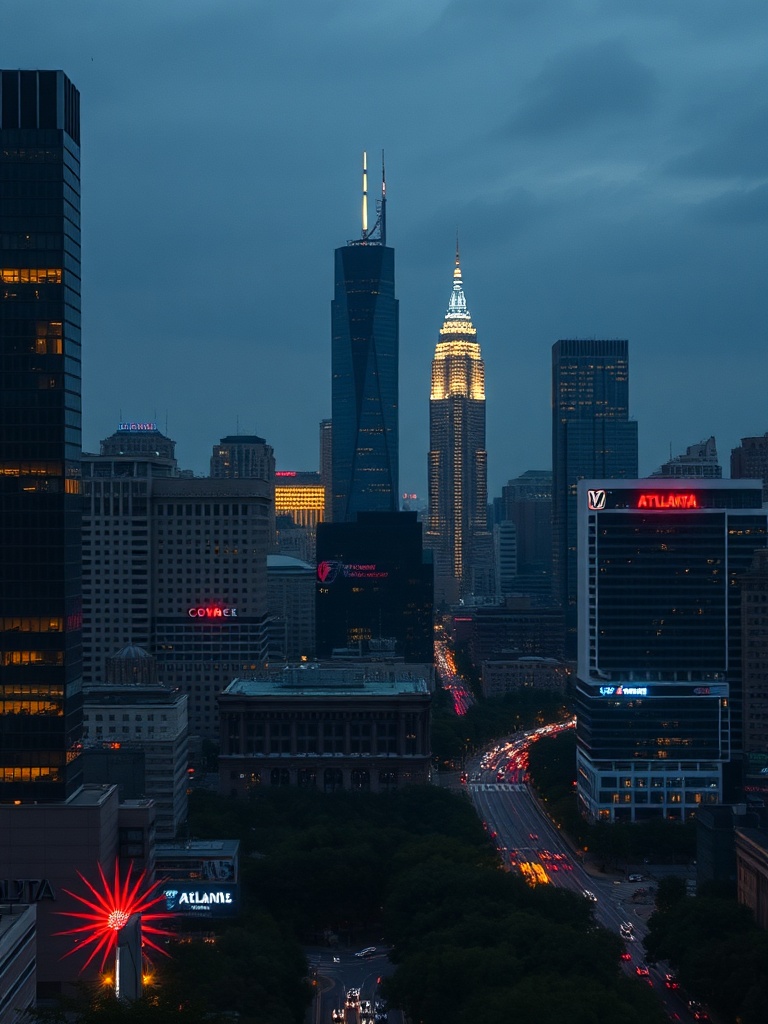
From reimagined Southern classics to cutting-edge tasting menus and casual food halls, the range is broad.
Food halls and markets are great for groups with diverse tastes, while neighborhood spots often deliver authentic, local flavor. Don’t miss walking sections of the BeltLine — a multiuse trail that connects parks, public art, and food options, and provides a practical way to explore multiple neighborhoods on foot or by bike.
Getting around
Public transit options continue to improve, making it easier to rely less on a car for short trips. The rail system links many key districts, and expanded bus and rail plans aim to increase connectivity across more neighborhoods.
Rideshare services and bike-share programs also fill transit gaps, especially for evenings and last-mile connections.
Culture and events
Arts, music, and sports anchor Atlanta’s calendar. Museums and independent galleries showcase both regional and international artists, while music venues range from intimate clubs to large arenas. Major league sports bring citywide energy during home games and generate a lively hospitality scene on game days.
Tips for newcomers and visitors
– Use neighborhood guides to match lifestyle preferences — nightlife, family-friendly parks, or arts and dining.
– Explore on foot or by bike where possible; several districts reward slow discovery.
– Check local calendars for pop-ups, markets, and festivals to experience authentic community life.
Atlanta’s appeal lies in layering modern urban amenities over a distinctly Southern backdrop. The result is a city that feels both familiar and forward-looking — a place where culture, commerce, and community collide in energetic ways.