
 Emma Jantzen
 Bayou Life: A Visitor’s Guide to Wildlife, Culture, Food & Conservation
Bayou life is a rich blend of water, wildlife, and culture where slow-moving waterways shape daily rhythms and community traditions.
From moss-draped cypress to rippling marsh grasses, bayous are living landscapes that reward curious visitors and sustain local ways of life.
Ecosystem and wildlife
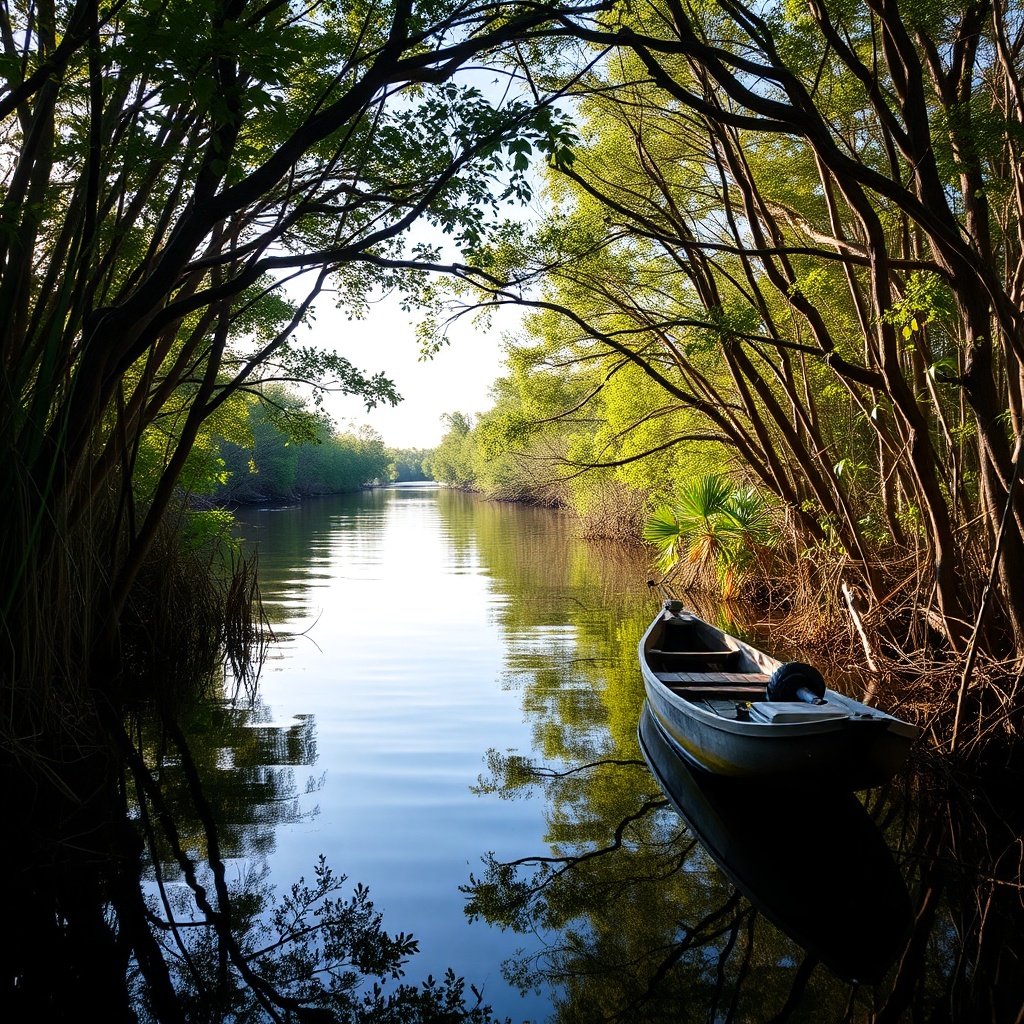
Bayous are shallow, slow-flowing waterways that connect swamps, marshes, and rivers.
They support an abundance of plant life—bald cypress, tupelo gum, and sawgrass—and are crucial nurseries for fish, crustaceans, and migratory birds. Herons, egrets, and ibises stalk shallow water, while turtles and alligators sun on logs. The mix of fresh and brackish water creates diverse habitats that keep the food web thriving.
Cultural rhythms
Local culture is inseparable from the water.
Families who live along bayous depend on the land and water for food, work, and celebration. Fishing and crabbing are both livelihood and pastime, and social gatherings often center on communal meals like crawfish boils and gumbo—recipes passed down through generations.
Music, storytelling, and dialect reflect a history shaped by Indigenous, French, African, and Spanish influences.
Outdoor experiences
Kayaking and canoeing offer intimate ways to explore winding channels and hidden coves. Guided swamp tours provide safe, informative encounters with wildlife and local lore; look for operators who emphasize conservation and respectful viewing. Birdwatchers find excellent opportunities along quiet stretches, and anglers chase speckled trout, bass, and redfish depending on salinity and habitat.
Practical tips for visiting
– Respect wildlife: keep distance from alligators and nesting birds; never feed wild animals.
– Dress for conditions: lightweight, breathable clothing for warm days; waterproof footwear and a light jacket for damp or cooler spells.
– Pack essentials: insect repellent, sun protection, a dry bag for electronics, bottled water, and binoculars for wildlife viewing.
– Choose a guide for safety and insight: local guides know channels, tides, and animal behavior.
– Leave no trace: take all trash out, avoid trampling vegetation, and use established launch points.
Conservation challenges
Bayous face pressures from development, pollution, and changing water regimes. Wetland loss affects storm protection, fisheries, and carbon storage. Community-led restoration—replanting marsh grasses, reestablishing natural water flow, and protecting oyster reefs—helps rebuild resilience.
Support for local conservation groups and responsible tourism choices can make a measurable difference.
Taste of the bayou
Food is central to bayou identity. Fresh seafood and locally grown vegetables feature prominently, with recipes adapted to what the water provides.
A simple approach—seasoning fresh shrimp or fish, slow-simmered roux for gumbo, or a communal boil of shellfish—highlights the region’s flavors and the social bonds formed around shared meals.
Why it matters
Bayou life illustrates how people and ecosystems evolve together. Preserving these waterways means protecting biodiversity, sustaining local economies, and keeping cultural traditions alive.
Whether paddling a quiet channel, tasting a family-style meal, or supporting restoration efforts, engaging with the bayou is both a sensory experience and an invitation to steward a unique and vital landscape.