
 Emma Jantzen
 Carolina Lowcountry Salt Marshes: Living Shorelines, Oyster Restoration, and Community Protection
Carolina Lowcountry Salt Marshes: Why They Matter and How Communities Are Protecting Them
The Carolina Lowcountry is defined by its tidal creeks, sprawling salt marshes, and the slow rhythm of incoming and outgoing tides.
These marshes are more than scenic backdrops; they’re essential living systems that protect communities, support fisheries, filter water, and store carbon.
Understanding how marshes work and what’s being done to protect them helps residents, property owners, and visitors appreciate their value — and take practical steps to keep them healthy.
Why Lowcountry marshes matter
Salt marshes trap sediments and stabilize shorelines, reducing erosion from storm surge and tidal flooding. Their dense grasses and root systems support juvenile fish, shrimp, and crabs that fuel commercial and recreational fisheries.
Migratory birds rely on marshes as feeding and nesting grounds, while the marsh platform itself acts as a natural carbon sink, sequestering carbon in deep sediment layers.
Challenges facing the marshes
Development pressure, altered freshwater flows, shoreline armoring, and rising water levels challenge marsh resilience.
Shoreline bulkheads cut off the gentle transition that marsh grasses need, and boat wakes can accelerate erosion in narrow tidal creeks. Episodes of marsh dieback have been reported along portions of the coast, often linked to a mix of stressors rather than a single cause.
Living shorelines: a nature-based solution
Many Lowcountry communities are shifting toward living shorelines — techniques that use natural materials and vegetation to stabilize eroding coasts while maintaining habitat.
Instead of concrete walls, living shorelines often combine oyster reefs, planted marsh grasses, and permeable breakwaters made from natural stone or biodegradable materials.
These approaches absorb wave energy, trap sediments, and provide habitat for oysters, crabs, and fish.
Oyster restoration: a win for water and wildlife
Oysters are keystone species in coastal systems. Restoration projects that place shell or reef structures in appropriate estuarine areas boost oyster populations and improve water clarity through filtration. Community shell recycling programs and volunteer reef-building days are popular ways for residents to get involved. Healthy oyster reefs also buffer wave energy and can be incorporated into living shoreline designs.
What residents and property owners can do
– Choose softer shoreline stabilization where feasible. Consult coastal engineers familiar with living shoreline approaches and local permitting requirements.
– Reduce runoff by increasing native plantings, using rain gardens, and minimizing impervious surfaces.
– Support oyster shell recycling and volunteer with local restoration groups.
– Slow down in no-wake zones to protect marsh edges and submerged aquatic vegetation.
– Watch for signs of marsh stress, such as sudden vegetation loss or increased edge erosion, and report observations to local conservation organizations.
What visitors should know
Explore marshes respectfully: stay on designated boardwalks and kayak in allocated channels to avoid damaging submerged grasses and disturbing wildlife. Early morning and late afternoon visits offer the best wildlife viewing and quieter experiences.
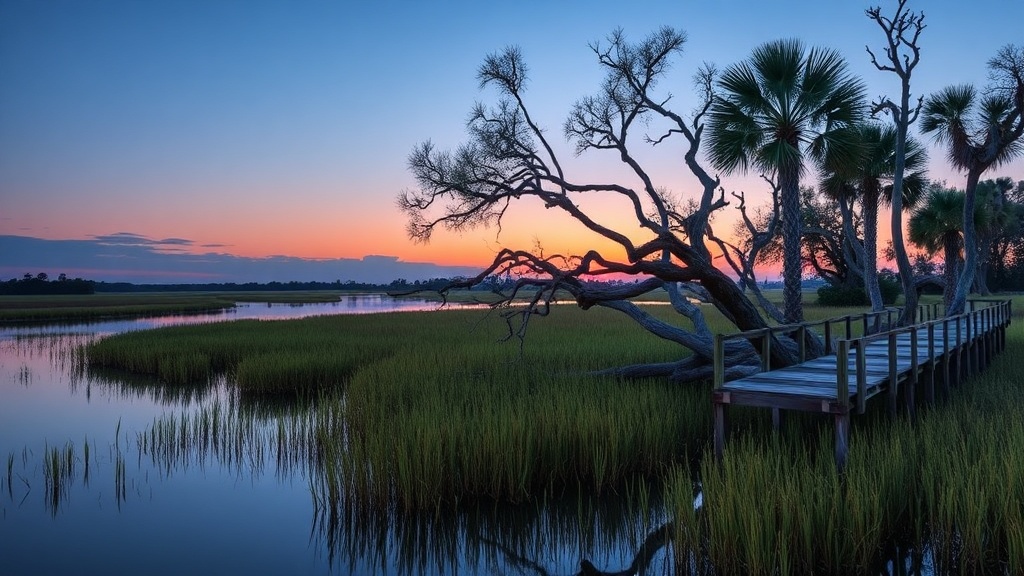
Pack out what you bring in and stick to marked trails to protect fragile marsh edges.
Partnerships deliver results
Successful marsh conservation relies on partnerships between local governments, universities, nonprofits, seafood harvesters, and private landowners. Recent collaborative projects demonstrate that well-designed living shorelines and oyster reefs can reduce erosion while enhancing habitat and recreational opportunities.
Preserving the marshes means protecting the natural systems that make the Carolina Lowcountry unique. By combining nature-based design, community engagement, and responsible recreation, the region can strengthen coastal resilience while maintaining the wild beauty that draws people to these tidal landscapes.