
 Emma Jantzen
 Mastering Cajun Cooking: Essential Techniques, Ingredients & Recipes
Cajun cooking is a bold, rustic culinary tradition rooted in resourcefulness and strong flavors. Originating from rural kitchens that stretched simple ingredients into satisfying meals, it emphasizes slow simmering, smoky aromatics, and a few hallmark techniques that transform everyday staples into unforgettable dishes.
Core ingredients and flavor foundations
– The holy trinity: onion, bell pepper, and celery form the aromatic backbone of most Cajun recipes. Chop them uniformly to ensure even cooking and maximum flavor release.
– Roux: a cooked mixture of fat and flour, roux provides depth and body. For lighter dishes, stop the roux at a peanut-butter color; for classic gumbo, aim for a deep chestnut or darker shade, moving carefully to avoid burning.
– Seasonings: cayenne, black pepper, paprika, thyme, bay leaves, and parsley are common.
File powder (ground sassafras leaves) and hot sauce are frequently used finishing touches rather than primary seasoners.
– Proteins and produce: Andouille sausage, shrimp, crab, oysters, chicken, and rice are staples. Okra acts as both a textural element and a natural thickener.
Techniques that define Cajun flavor
– Browning: Properly brown proteins and vegetables to build Maillard flavor. This step is crucial before adding liquids and simmering.
– Low-and-slow simmering: Whether it’s gumbo, étouffée, or a hearty stew, gentle simmering melds flavors without breaking down textures.
– Deglazing: After browning, deglaze the pan with stock, wine, or water to lift those caramelized bits—this is where a lot of the dish’s richness comes from.
– Roux control: Stir constantly for even color, and adjust heat to avoid scorching. A darker roux delivers nuttier, more caramelized notes but contributes less thickening power than lighter roux.
Signature dishes and approachable variations
– Gumbo: A flexible, soulful stew traditionally served over rice. Classic versions rely on a dark roux and may include seafood, chicken-and-sausage, or shellfish. Okra or filé powder can be used as thickeners—OK to combine for layered texture.
– Jambalaya: A one-pot rice dish where rice cooks in the same pot as browned meats and aromatics.
For a quicker night, use long-grain rice and pre-sliced sausage; adjust liquid so rice finishes tender without becoming mushy.
– Étouffée: Meaning “smothered,” this dish usually features shellfish simmered in a blonde roux with the holy trinity and served over rice. It’s a great place to practice subtle roux timing.
– Boudin and sausages: These showcase nose-to-tail cooking and smoked flavors; try sliced and pan-seared boudin for a quick appetizer.
Tips for home cooks
– Start with a heavy-bottomed pan or cast-iron Dutch oven for steady heat and even browning. These tools make roux control easier.
– Fresh is best for seafood; if frozen, thaw and pat dry to prevent steaming instead of searing.
– Balance heat: Cajun food is spicy, but the aim is layered warmth rather than solely fiery heat. Add cayenne gradually and finish with hot sauce at the table.
– Make it your own: Many Cajun recipes were born from improv.
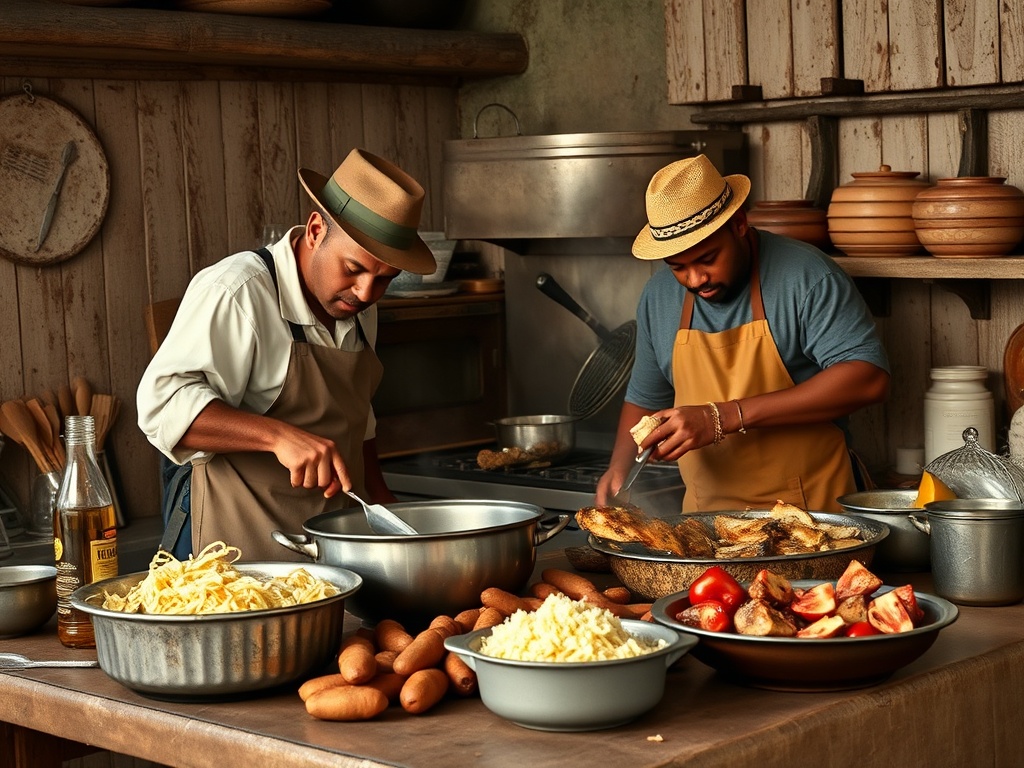
Substitute seasonal vegetables, use plant-based proteins for vegetarian versions, and lean into smoked paprika or liquid smoke to mimic char flavors if you don’t have traditional smoked meats.
Cajun cooking rewards patience and curiosity. With a few core techniques and an understanding of flavor balance, home cooks can recreate the soulful, robust dishes that make this cuisine beloved—bringing bold Southern warmth to any table.