
 Emma Jantzen
 Bayou Life: A Visitor’s Guide to Wildlife, Cajun Cuisine, and Wetland Conservation
Bayou Life: Slow Rivers, Rich Culture, and Wild Nature
The bayou is a living blend of water, wildlife, and culture—where bald cypress knees poke from dark water, egrets stalk shallow edges, and the scent of spice drifts from kitchen windows.
For anyone curious about southern wetlands, bayou life offers a deep, sensory experience that’s both timeless and constantly evolving.
Landscape and Wildlife
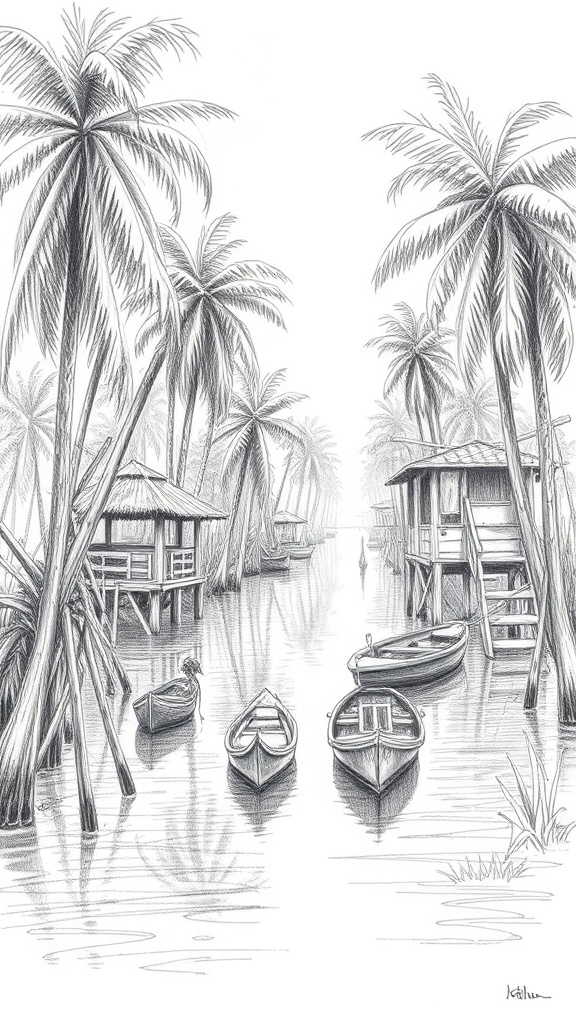
Bayous are slow-moving waterways that thread through marshes and swamps. Their quiet current creates unique habitats: submerged cypress forests, floating mats of vegetation, and mudflats that support millions of organisms. Birdwatchers can expect to see herons, ibises, and migratory shorebirds. Reptiles like turtles and alligators are common; fish include bass, catfish, and perch. Seasonal floods replenish nutrients and shape the ecology, while marsh grasses and mangroves (where present) stabilize shorelines and filter runoff.
Foodways and Community
Bayou cuisine is a direct expression of place. Dishes centered on rice, seafood, and local produce—such as gumbo, jambalaya, crawfish boils, and oyster preparations—reflect a blend of Indigenous, French, African, and Caribbean influences. Food is social: meals are often communal events, where storytelling and music accompany the feast.
Community markets and roadside fishmongers are great places to experience fresh catch and seasonal ingredients.
Living Traditions
Cultural life on the bayou still carries regional languages, music, and crafts. Zydeco and Cajun music keep history alive in dance halls and informal gatherings, while boat-building, net-mending, and basket-weaving continue as practical arts. Storytelling—about storms, harvests, and river lore—passes on local knowledge that’s essential for living with the water rather than against it.
Recreation and Ecotourism
Kayaking, canoeing, and shallow-draft boating let visitors move quietly through cypress groves to observe wildlife.
Guided swamp tours provide context on ecology and conservation, while fishing and crabbing offer hands-on connection with the environment. Ecotourism that respects local practices and supports restoration projects helps sustain both livelihoods and habitats.
Safety and Etiquette
Respectful behavior keeps both people and wildlife safe. Never feed wild animals; keep a safe distance from alligators and nesting birds. Bring bug repellent, sunscreen, and plenty of water—mosquitoes can be persistent, and shade is limited in open marshes. Wear quick-drying clothing and shoes suitable for muddy banks. Check local regulations for fishing licenses and seasonal restrictions.
Conservation and Challenges
Bayous face pressures from development, altered river flows, and changing climate patterns. Saltwater intrusion, wetland loss, and stronger storms affect fisheries and communities. Restoration efforts focus on rebuilding marshes, replanting native vegetation, and restoring natural water flows. Community-led initiatives often pair traditional knowledge with science to protect both culture and ecosystem functions.
Tips for Visitors
– Take a guided tour with a reputable local operator to learn regional history and ecology.
– Sample local foods at small family-run restaurants for authentic flavors and community support.
– Respect private property—many fisheries and camps are family-owned.
– Pack a waterproof camera or smartphone in a dry bag to capture reflections of cypress and wildlife.
Bayou life is a study in balance: slow-moving water supporting a fast-beating culture. For those willing to listen—to the cadence of frogs at dusk, the creak of a wooden pier, and the call of a distant bird—the bayou offers an immersive reminder that people and wetlands are best preserved together.