
 Emma Jantzen
 Bayou Life: A Traveler’s Guide to Wildlife, Cajun Cuisine, Outdoor Adventures, and Conservation
Bayou life is a blend of slow rhythms, rich flavors, and wild beauty — a landscape where water, people, and wildlife are tightly woven. Whether you’re drawn to the call of wading birds, the smell of simmering gumbo, or the idle slide of a pirogue through cypress knees, the bayou offers an experience that engages all the senses.
Landscape and wildlife
Bayous are slow-moving waterways found in low-lying coastal plains and river deltas. The mix of fresh and brackish water supports diverse plant life: towering cypress with hanging moss, dense marsh grasses, and labyrinths of submerged roots. Those habitats host a remarkable array of wildlife. Great blue herons, snowy egrets, and roseate spoonbills hunt the shallows, while otters and turtles patrol quieter channels. Alligators sun on logs or slip beneath the surface, and songbirds fill the canopy at dawn.
Wildlife viewing is best approached with patience and respect.
Keep a safe distance, avoid feeding animals, and use binoculars or a telephoto lens for close-up observation. Early morning and late afternoon are prime windows for sightings, when animals are most active and lighting is flattering for photography.
Culture and cuisine
Human life on the bayou has shaped — and been shaped by — the landscape. Cajun and Creole traditions remain central to local identity, expressed in language, music, and food. Kitchens often center around seafood and rice: gumbo seasoned with file or roux, spicy jambalaya, and heaping platters of boiled seafood are staples. Crawfish boils are communal affairs; family, friends, and neighbors gather outdoors to share fresh catch, music, and storytelling.
Music is another defining element, from accordion-driven Cajun tunes to the energetic beat of zydeco.
Local festivals and porch gatherings are where culinary and musical traditions are preserved and passed to new generations.
Outdoor activities and safety
Kayaking, canoeing, and pirogue trips offer intimate ways to explore back channels and marshes. Guided boat tours are ideal for newcomers, providing local knowledge about tides, hidden channels, and wildlife behavior.
Anglers find productive spots for bass, catfish, and redfish; be sure to check local licensing and catch regulations before casting a line.
Safety essentials: wear a life jacket, carry insect repellent and sun protection, bring plenty of water, and let someone know your route and schedule. Be mindful of weather and tide changes; conditions can shift quickly. When encountering wildlife, maintain space and avoid sudden movements.
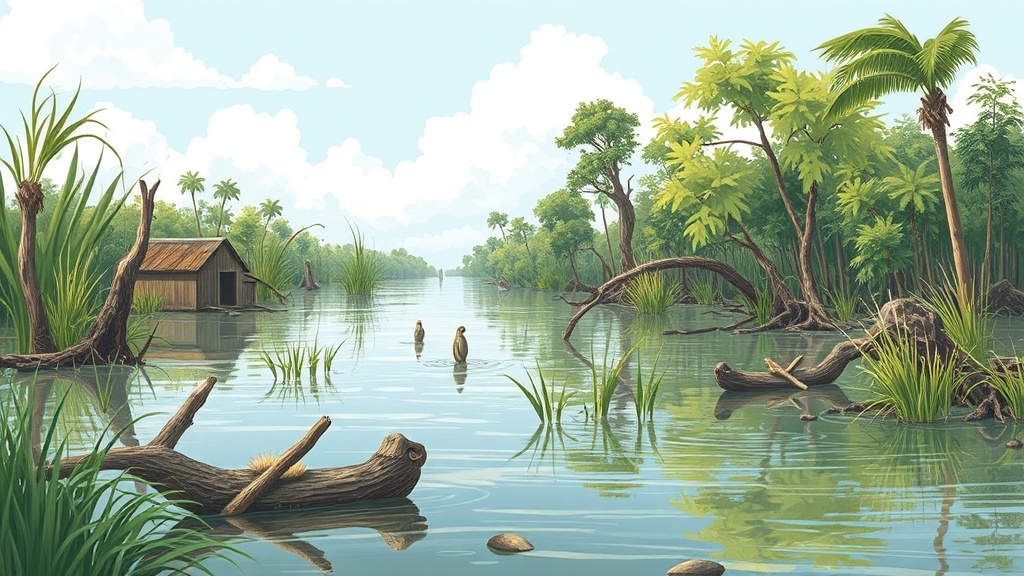
Many residents favor shallow-draft boats to navigate narrow waterways and avoid submerged hazards.
Conservation and stewardship
Bayou ecosystems are sensitive. Habitat loss, pollution, invasive species, and rising waters place ongoing pressure on wetlands. Community-led restoration efforts, responsible fishing and hunting practices, and support for wetland protection initiatives are crucial to long-term health. Visitors can help by following Leave No Trace principles, supporting local businesses that prioritize sustainability, and learning about local conservation organizations.
Photography and storytelling
For photographers, the bayou offers dramatic contrasts: mirrored reflections, ribboned fog, and the sculptural forms of cypress trees. Use a polarizing filter to manage reflections, and seek compositions that highlight the interaction between water and life.
For writers and storytellers, the bayou remains a deep well of characters, dialects, and memories — a place where every dock, boatyard, and backyard porch has a story to tell.
Bayou life is resilient and evolving.
By respecting its rhythms, supporting its people, and protecting its wetlands, visitors and residents alike help ensure that the sounds, flavors, and landscapes of the bayou endure for generations to come.