
 Emma Jantzen
 Authentic Memphis BBQ: What Makes It Special, Where to Find It, and How to Smoke It at Home
Memphis BBQ: What Makes It Special and How to Get the Real Thing
Memphis BBQ is one of the most beloved American regional barbecue traditions—defined by pork, smoke, and a balance of dry-rubbed flavor and saucy finish. Whether you’re planning a visit, firing up your smoker at home, or just curious about the style, understanding what sets Memphis apart helps you appreciate every bite.
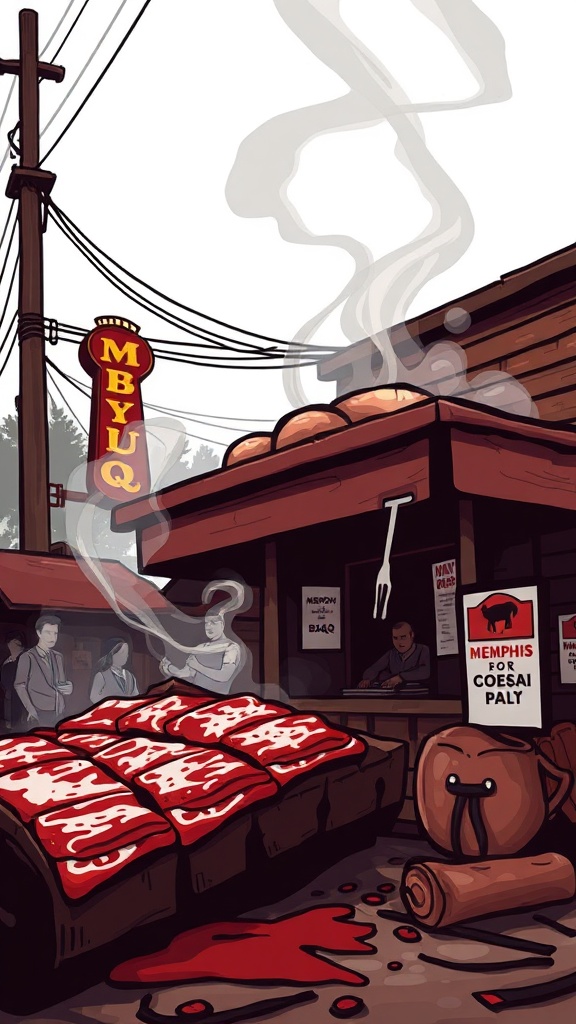
What defines Memphis BBQ
– Pork is king: Pulled pork shoulder and pork ribs dominate the scene. Ribs are treated with reverence—either “dry” (rub only) or “wet” (sauced during or after smoking).
– A focus on smoke and tenderness: Low-and-slow smoking produces a deeply flavored bark and fall-off-the-bone texture for ribs and a shreddable pull for shoulders.
– Sauce as an accent: Memphis sauces tend to be tomato-based, sweet and tangy, and used sparingly on many traditional plates—sometimes on the side, sometimes brushed on during the last stage of cooking.
Signature items to try
– Dry ribs: Heavily seasoned with a spice rub before smoking, these showcase the smoke and seasoning without heavy sauce. Texture and bark are the stars.
– Wet ribs: These are basted with a sweet, tangy barbecue sauce that caramelizes on the surface for sticky, glossy ribs.
– Pulled pork sandwich: Slow-smoked shoulder, shredded and often dressed with a light sauce and tangy slaw or pickles, served on soft bread.
– Barbecue nachos, baked beans, and banana pudding: Memphians pair barbecue with rich, comfort-food sides—don’t skip the slaw or a classic banana pudding for dessert.
Smoking tips for home cooks
– Wood choice matters: Oak and hickory are traditional choices for Memphis-style smoke—oak provides a steady, balanced smoke while hickory delivers a stronger, bacon-like note.
Fruitwoods like apple or cherry work well for milder, sweeter smoke.
– Temperature and patience: Smoke low and steady.
Aim for a consistent low heat to coax collagen into gelatin for tender meat. Expect to manage the “stall” where internal temperature pauses—wrapping in foil can speed past that stage if desired.
– Rubs and sauces: Start with a balanced rub—salt, black pepper, paprika, brown sugar, garlic and onion powders, and a pinch of cayenne. For sauce, keep it tomato-based with vinegar, molasses or brown sugar, and a little heat for contrast.
– Rest before serving: Let smoked shoulders and ribs rest before slicing or pulling to retain juices and set the bark.
Where to experience Memphis BBQ
Neighborhood barbecue joints and alleyway institutions are part of the culture.
Look for places known for their rib style—dry or wet—and order the sampler to taste contrasts between smoke, rub, and sauce.
Food festivals and competing barbecue events in the city draw pitmasters from across the country and are a great way to sample many styles at once.
Why Memphis BBQ endures
The appeal comes down to balance: smoke, spice, and sauce that accent rather than overpower. It’s rooted in technique—low heat, the right wood, patient time—and in community, where neighborhoods and pitmasters pass recipes and rivalries down through generations. That combination keeps Memphis BBQ relevant for both purists and newcomers.
If you want the full Memphis experience, try both dry and wet ribs, pair them with classic sides, and find a local joint where the smoke hangs in the air—authentic Memphis flavor often turns up in an unassuming storefront rather than a flashy restaurant.