
 Emma Jantzen
 Bayou Life: The Complete Guide to Living with Water, Wildlife & Culture
Bayou Life: Living with Water, Wildlife, and Culture
The bayou is a living mosaic of water, reeds, cypress knees, and wildlife — a place where culture and ecology are tightly woven. For anyone drawn to slow-moving water, rich birdlife, and food that tells a story, bayou life offers an immersive experience that blends recreation, subsistence, and conservation.
Why the bayou matters
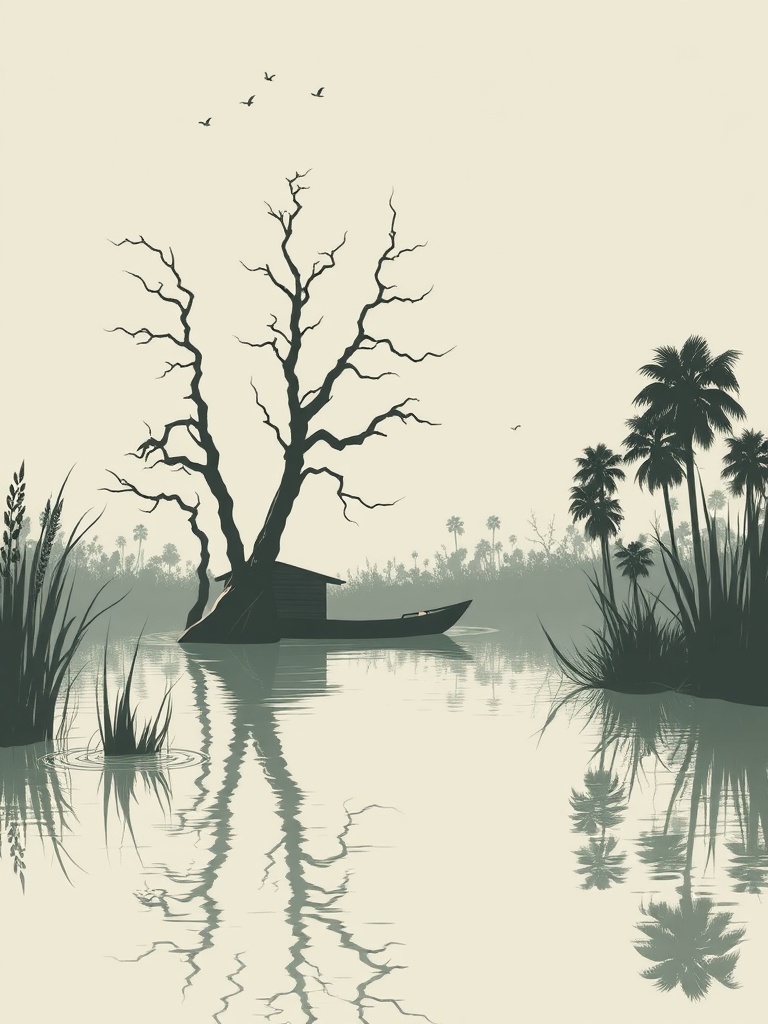
Bayous are more than scenic backwaters. These wetlands absorb storm surge and filter runoff, reducing flood impacts and improving water quality. They also store carbon in peat and plant matter, support commercially important fisheries, and provide essential habitat for migratory birds, amphibians, and aquatic species. Protecting bayou ecosystems helps safeguard communities and livelihoods that depend on healthy wetlands.
Wildlife and rhythms of the water
The bayou teems with life at the water’s edge. Herons, egrets, ibises, and migratory songbirds hunt along marshy banks while turtles bask on logs. Fish species range from bass and catfish to shrimp and oysters where brackish water meets the Gulf. Predators like alligators may be present, but they largely keep to themselves when left undisturbed.
Best practices for wildlife viewing:
– Observe quietly from a distance and use binoculars or a telephoto lens.
– Never feed wildlife; feeding alters natural behavior and can be dangerous.
– Keep dogs leashed and on trails to protect nesting birds and fragile vegetation.
Culture, food, and community
Bayou culture reflects a mix of Indigenous, Creole, and Cajun influences. Music, language, and recipes evolved around seasonal cycles of fishing, trapping, and farming. Food is central: seafood boils, gumbo, cracked crab, fried catfish, and savory boudin are staples that celebrate local harvests. Support small fishers and choose sustainably sourced seafood to help maintain healthy populations.
Recreation and responsible access
Kayaking and small-boat excursions provide the most intimate way to navigate narrow bayou channels. Paddling lets you glide past cypress knees and observe wildlife without the noise and wake of larger boats.
Guided boat tours and local outfitters can offer safe, knowledgeable introductions for first-time visitors.
Safety pointers:
– Wear a life jacket and check local weather and tide conditions.
– Avoid swimming in murky water where hazards and wildlife may be present.
– Use insect repellent and wear long sleeves in warmer months to reduce exposure to mosquitoes and ticks.
Conservation in practice
Bayou communities balance tradition with modern pressures: development, pollution, and invasive species all challenge wetland resilience. Local restoration projects often focus on replanting marsh grasses, stabilizing shorelines, and restoring natural water flow. Community-based efforts, from volunteer cleanups to habitat monitoring, make a tangible difference.
How to help:
– Participate in shoreline cleanups or citizen science programs.
– Reduce runoff by using native plants in landscaping and minimizing chemical use.
– Support local conservation organizations that work with fishers, landowners, and municipalities.
Experiencing the bayou
A visit to the bayou is sensory: the creak of boat timbers, the smell of brine and earth, the flash of fish under dappled light. Whether you’re paddling at dawn, birdwatching from a raised boardwalk, or sharing a crawfish boil with locals, the bayou rewards attention and respect. Approach it with curiosity, follow local rules, and leave the habitat as you found it so the water, wildlife, and culture continue to thrive for others.