
 Emma Jantzen
 Bayou Life: The Essential Guide to Ecology, Culture, Safety, and Stewardship
The bayou is a world of slow water, moss-draped trees, and a culture that grew alongside the wetlands. Living on or near a bayou means tuning into water levels, seasonal migrations, and a foodway that blends Indigenous, French, Spanish, African, and Southern traditions. For anyone drawn to this landscape—whether as a visitor, new resident, or lifelong local—understanding the ecology, culture, and practicalities of bayou life makes every paddle, cast, and family gathering more meaningful.
A living landscape
Bayous are intricate wetland systems where cypress knees rise from dark water and marsh grasses buffer shorelines. These habitats filter pollutants, absorb storm surge, and provide nursery grounds for fish and crustaceans. Watch for wading birds like herons and egrets, migratory waterfowl, and the busy shapes of otters and turtles. Fish species and crustaceans such as bass, redfish, and crawfish rely on submerged vegetation and oyster reefs for shelter and food—making healthy wetlands essential for local livelihoods and food traditions.
Culture and cuisine
The bayou shapes culture as much as geography does.
Kitchens here honor the catch of the day: crawfish boils with spicy seasoning, smoky whole fish, hearty gumbo, and rice dishes that reflect a practical, flavor-forward approach to cooking. Social life often centers on shared meals, church gatherings, and music—Cajun and zydeco rhythms that came from a fusion of lineages and continue to fill dance halls and front porches.
Festivals, potlucks, and porch conversations keep storytelling and local knowledge alive.
Wildlife encounters and safety
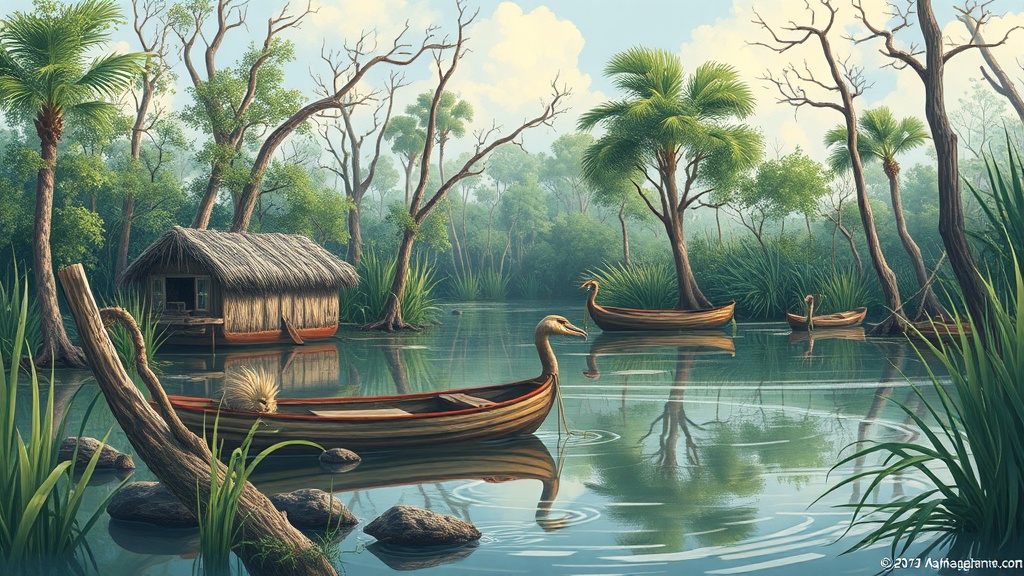
Wildlife encounters are part of the charm but require respect. Alligators are common in many bayous; they are neither pets nor pests but wild animals that must be given space.
Never feed wildlife, keep pets on a leash near water, and supervise children closely. Mosquitoes are persistent; use repellents and protective clothing when venturing out at dusk. For any small-boat activity, life jackets, navigation lights at night, and awareness of submerged hazards like fallen trees are essential.
When kayaking or paddling, travel with a partner if possible and tell someone your route.
Recreation and responsible tourism
Bayou recreation includes fishing, crabbing, birdwatching, and guided swamp tours.
Choose operators and guides that emphasize ecological knowledge and low-impact practices.
For anglers, following local catch limits and practicing selective harvesting helps maintain healthy populations. Kayaking and small-craft exploration minimize noise and shoreline erosion compared with larger motorized boats—an important consideration in fragile marshes.
Conservation and stewardship
Bayou communities are on the front line of wetland restoration and climate resilience efforts. Local initiatives often focus on oyster reef restoration, living shorelines, and invasive-species control to protect habitat and reduce erosion. Participating in volunteer cleanups, supporting local conservation groups, or engaging in citizen science projects can make a tangible difference. Homeowners can also help by reducing runoff, maintaining native vegetation along banks, and choosing permeable surfaces where feasible.
Practical tips for newcomers
– Learn local navigation cues: landmarks and channels help where GPS can be unreliable in narrow waterways.
– Respect private property and local customs—ask before launching from private docks.
– Store food securely and dispose of waste properly to avoid attracting wildlife.
– Invest in weather-aware planning: bayou conditions can change rapidly with storms and tides.
Bayou life is a balance between ruggedness and hospitality, solitude and community. Embracing that balance—with curiosity, humility, and a commitment to stewardship—keeps the waterways vibrant for future generations and preserves the flavors, sounds, and stories that make the bayou unique.