
 Emma Jantzen
 Gulf Coast Seafood Guide: Taste, Safety & Sustainable Choices
Gulf Seafood: What to Know About Taste, Safety, and Sustainable Choices
The Gulf coast is legendary for its seafood—briny oysters, sweet shrimp, flaky snapper, and rich grouper define a culinary region prized by chefs and home cooks alike. Whether you’re buying at a dockside stall or ordering at a restaurant, knowing how Gulf seafood is harvested, handled, and managed helps you make tastier and more responsible choices.
Flavor and variety
Gulf seafood reflects local waters: oysters develop unique brininess depending on salinity and estuary conditions, shrimp tend to be plump and subtly sweet, and reef fish like grouper and snapper offer firm, versatile flesh ideal for grilling, frying, or baking. Seasonal shifts and freshwater inflows change flavor and availability, so talking with fishers or your local market can reveal what’s freshest.
Safety and harmful algal blooms
Harmful algal blooms—often called red tide—periodically affect parts of the Gulf. Toxins from these blooms can contaminate shellfish and lead to temporary harvest closures. Seafood safety authorities monitor toxin levels and issue advisories and closures when needed; shellfish harvested during closures can be hazardous even after cooking.
For finfish, advisories may focus on consumption limits for certain species with higher mercury content.
Before buying shellfish or harvesting recreationally, check local seafood safety advisories and beach health updates.
Sustainability and traceability
Fisheries in the Gulf are managed with measures such as catch limits, size and bag limits, and protected seasons to promote healthy stocks.
Traceability programs and consumer-facing labeling are becoming more common—look for programs that provide harvest information or a traceable source, which helps ensure the product was caught under regulated conditions. Third-party seafood guides and certification programs can help identify better choices; regional programs that link fish to specific boats or docks provide extra transparency.
Buying and storing tips
– Smell: Fresh seafood should have a clean, briny scent—not a sharp, fishy, or ammonia-like odor.
– Appearance: Whole fish should have clear eyes and bright skin; fillets should look moist and firm, not dry or dull.
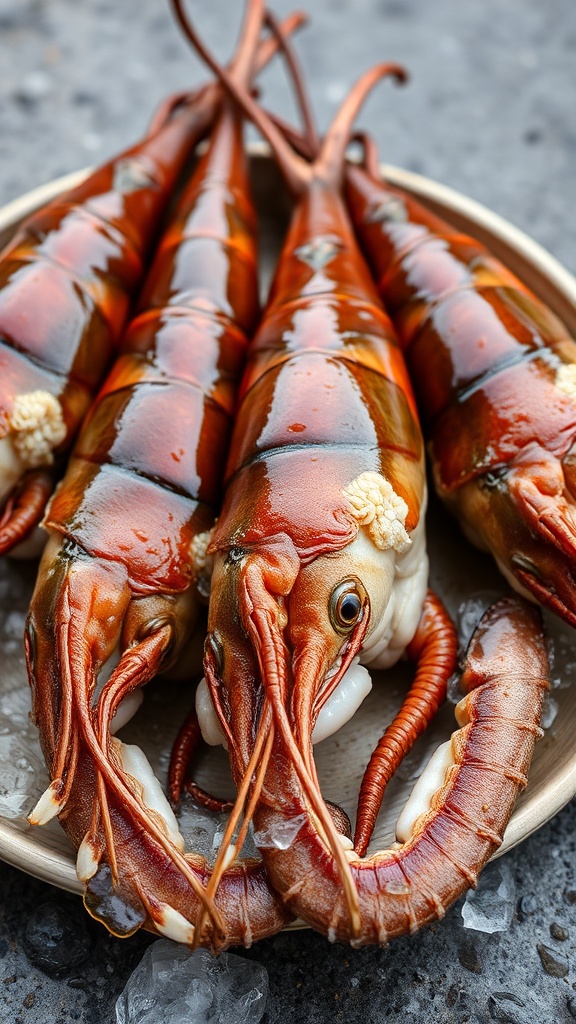
– Shellfish: Live bivalves like oysters and clams should be closed or close when tapped.
Shrimp should be firm, not slimy.
– Storage: Keep seafood cold during transport and refrigerate immediately. Use it within a day or two for peak quality, or freeze for longer storage following safe handling practices.
Cooking pointers
Gulf seafood is forgiving and quick to prepare. Shrimp and small fish are perfect for quick sautés and tacos; hearty fish like grouper stand up well to grilling and blackening. Shellfish shine raw on the half shell when chilled, or roasted and topped with compound butter for a richer treatment. A reliable guideline: cook seafood until it’s opaque and flakes easily; shellfish should open fully when steamed—discard any that remain closed after cooking.
Supporting local communities
Buying directly from local fishers, farmers’ markets, or community-supported seafood programs supports coastal livelihoods and often yields fresher product. Ask vendors about harvest method (wild-caught vs.
farmed), location, and whether they follow best-practice handling from sea to table.
The Gulf continues to be a cornerstone of American seafood culture.
With a little awareness—checking advisories, choosing traceable sources, and handling seafood properly—you can enjoy the region’s distinctive flavors while supporting sustainable practices and coastal communities.