
 Emma Jantzen
 Bayou Life: A Traveler’s Guide to Wildlife, Cajun Cuisine, Outdoor Adventures, and Conservation
Bayou life blends slow rhythms, rich biodiversity, and a distinct cultural heritage along cypress-lined waterways and marsh flats. For travelers, nature lovers, and anyone curious about wetland living, the bayou offers a mix of outdoor adventure, culinary tradition, and conservation challenges that shape daily life on the water.
What makes the bayou unique
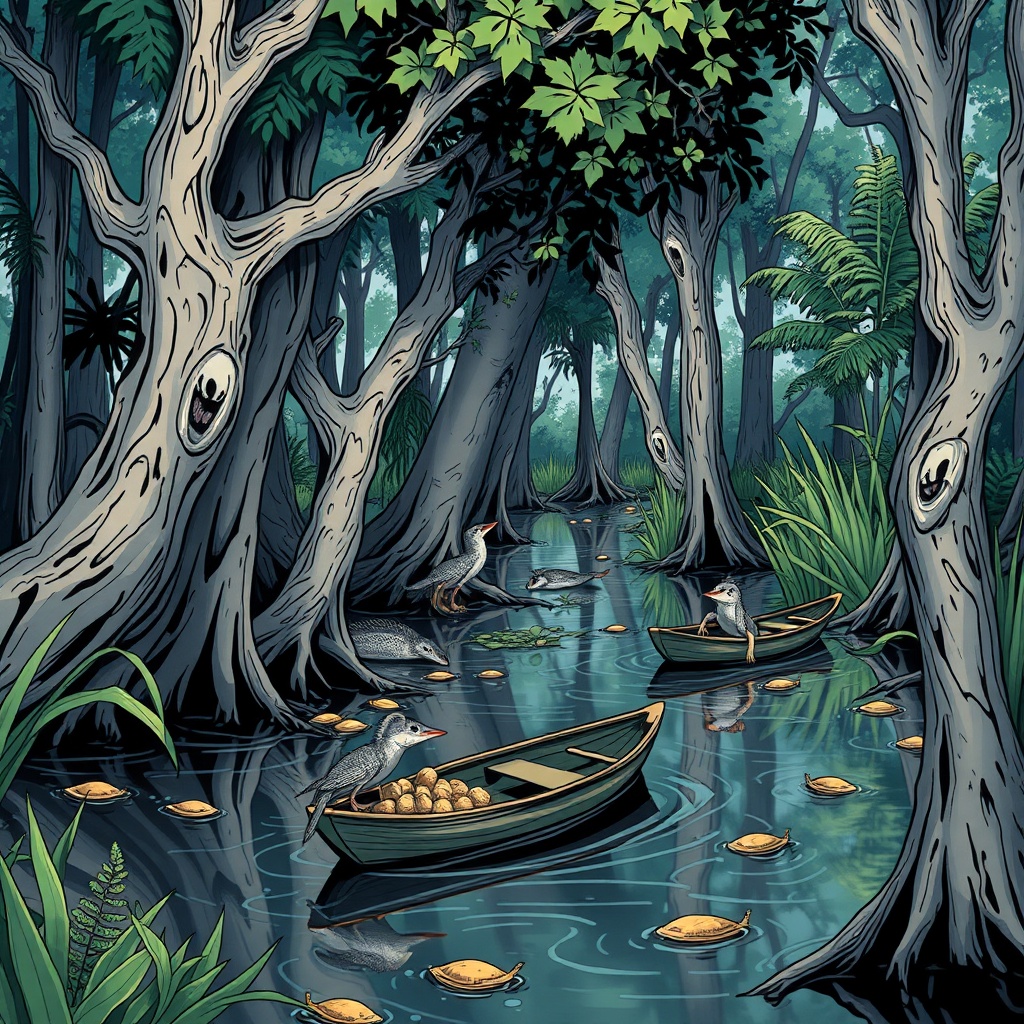
At the heart of bayou life are the water channels, bald cypress trees draped in Spanish moss, and an ecosystem teeming with birds, fish, amphibians, and reptiles. Wading birds like herons and egrets hunt the shallows, while songbirds and marsh sparrows nest in the reed beds. Beneath the surface, catfish, bass, and shrimp drive both subsistence and sport fishing cultures. Alligators and turtles are common sights and require respectful distance.
Cultural rhythms and food
Cajun and Creole traditions are woven into daily routines. Kitchens often turn fresh local catch into hearty, layered dishes—gumbo, jambalaya, and étouffée—relying on stocks, roux, and bold seasoning. Community gatherings, church events, and informal cookouts keep recipes and musical styles alive.
Zydeco and Cajun music still set the pace for many local festivals and neighborhood dances, where storytelling and hospitality are central.
Activities that connect you to the bayou
– Kayaking and canoeing: Paddle quietly through back channels for close-up wildlife viewing. Early morning and dusk deliver the most activity.
– Guided swamp tours: Local guides provide history, ecology, and safe viewing opportunities while supporting small businesses.
– Fishing and crabbing: Follow local regulations and consider catch-and-release for species under pressure.
– Birdwatching and photography: The shifting light across cypress knees and moss creates dramatic backdrops for nature photography.
– Foraging and gardening: Many residents grow garden staples and foraged greens adapted to wetland soils.
Safety and ethical visiting tips
Respect and safety are critical. Wear a life jacket when boating, use insect repellent and sun protection, and be aware of heat and humidity. Never feed or approach alligators; feeding wildlife changes behavior and increases danger for people and animals. Stay on designated trails and docks to protect fragile marsh vegetation.
Conservation and stewardship
Bayous are vital for water filtration, storm buffering, and habitat provision. Currently, restoration projects and community-led stewardship efforts focus on shoreline stabilization, invasive species management, and water-quality monitoring. Supporting local conservation organizations, choosing guided tours with responsible operators, and minimizing plastic waste are practical steps visitors and residents can take.
Supporting local economies
Bayou communities often rely on tourism, fishing, and small-scale agriculture. Opting for local guides, markets, and restaurants channels economic benefits directly to residents. Buying locally produced seafood, crafts, or art helps preserve cultural traditions and provides incentives for sustainable practices.
Photography and storytelling
Capturing bayou life is as much about patience as it is about equipment. Long lenses, polarized filters, and a low, quiet profile will yield better shots of wildlife and reflections. Listening to local stories—about hurricane resilience, family recipes, and river lore—adds depth to any visit.
Bayou life invites a slower pace, an appreciation for resilience, and active participation in protecting a fragile, productive landscape. Whether paddling a quiet backchannel, sampling a bowl of gumbo, or volunteering on a shoreline restoration, the bayou rewards curiosity tempered by respect for its people and ecosystem.