
 Emma Jantzen
 Atlanta BeltLine: How It’s Transforming Neighborhoods, Transit & Public Space
How the Atlanta BeltLine Is Reshaping Neighborhoods, Transit, and Public Space
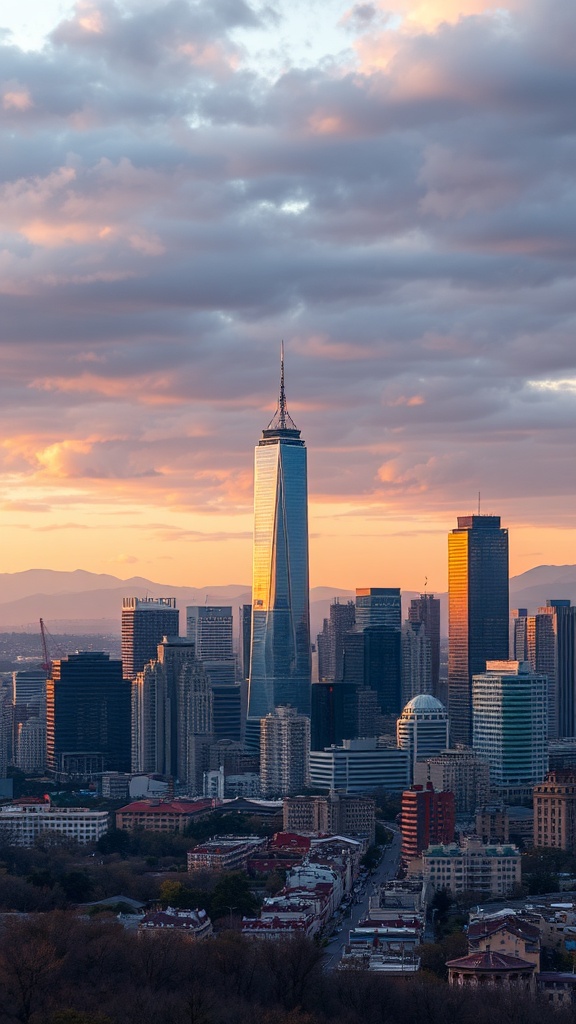
A signature urban transformation, the Atlanta BeltLine has shifted how residents and visitors experience the city by converting underused rail corridors into a linked network of trails, parks, transit options, and public art. What began as a simple idea about connecting neighborhoods has grown into a catalyst for economic activity, healthier living, and creative placemaking across multiple segments of the city.
What the BeltLine delivers
The BeltLine offers continuous multiuse trails popular with walkers, runners, and cyclists, plus expansive parkland that provides much-needed green space inside the urban core. Public art installations and rotating cultural programming make the corridor a destination for events, live music, and outdoor fitness.
For many neighborhoods, the project has improved walkability and created safer, more attractive streetscapes.
Economic and community impacts
The BeltLine has spurred new development and small business growth near its corridors, attracting cafés, galleries, and retail that benefit from increased foot traffic. That economic activity supports local entrepreneurship and creates jobs, but it also raises concerns about rising rents and displacement.
Community-driven affordable housing initiatives and equitable development policies are central to ongoing conversations about keeping long-term residents and cultural diversity intact.
Transit and connectivity
Beyond recreation, the BeltLine plays a strategic role in Atlanta’s broader mobility goals by creating alternatives to car travel and linking to transit hubs. The trail network connects with bus routes and rail stations, making it easier for people to combine biking or walking with public transportation for commutes and errands. Advocates continue to push for expanded frequent transit along key segments to reduce congestion and improve access to jobs and services.
Sustainability and public health
By prioritizing green corridors and active transportation, the BeltLine contributes to stormwater management, urban cooling, and improved air quality. Parks and trails encourage physical activity and mental well-being, offering free, accessible spaces for recreation and social connection. Tree planting and native landscaping also support urban biodiversity.
Things to know if you’re visiting or exploring
– Wear comfortable shoes and bring water — sections vary in distance and surface type.
– Check maps to plan routes; the network connects many neighborhoods but some segments are more developed than others.
– Look for public art and community events along the way; they’re often low-cost and family-friendly.
– Support neighborhood businesses—local restaurants, breweries, and shops are integral to the corridor’s vibrancy.
Balancing growth with equity
A thriving public realm need not come at the expense of longtime residents, and many stakeholders are working to make that balance real.
Affordable housing programs, community land trusts, and local hiring commitments are among the strategies being used to share the benefits of investment more broadly. Civic engagement remains crucial: neighborhood input and transparent planning help align development with community priorities.
The BeltLine continues to be a powerful example of how reclaimed infrastructure can create a more connected, active, and creative city. For residents and visitors alike, it’s an evolving public asset that demonstrates the potential of urban design to shape everyday life and opportunity across diverse neighborhoods.