
 Emma Jantzen
 Atlanta BeltLine Itinerary: Top Trails, Food Stops & Art for One Perfect Day
The Atlanta BeltLine has reshaped how locals and visitors experience the city—turning former rail corridors into a continuous loop of trails, parks, public art, and neighborhood hubs. Whether you want a scenic walk, a food-focused crawl, or an active day of biking and kayaking, the BeltLine delivers a compact itinerary that connects many of the city’s best experiences.
Why the BeltLine matters
The BeltLine functions as both green infrastructure and cultural spine. It links diverse neighborhoods, supports small businesses, and showcases rotating public art and performance.
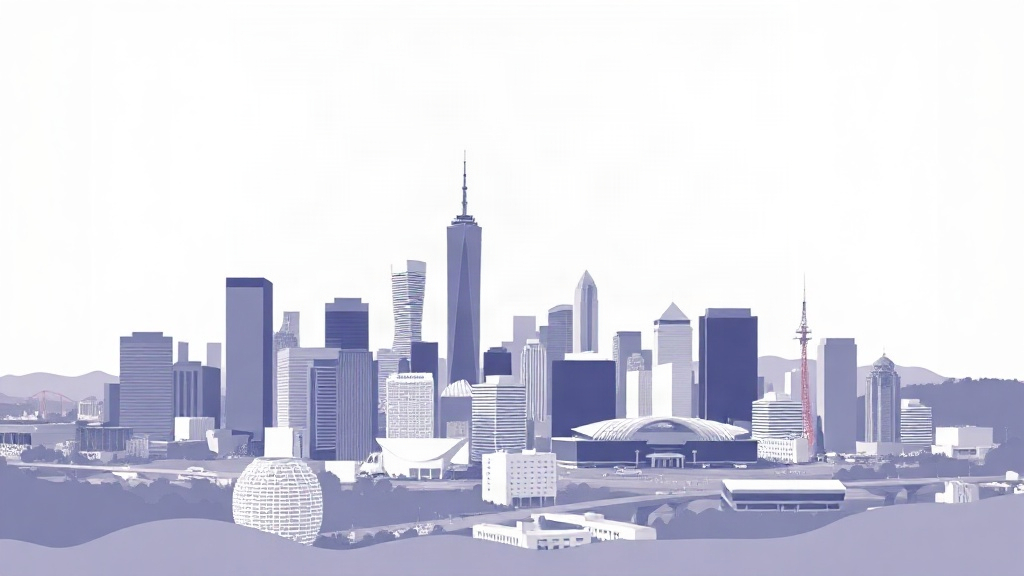
Because the path threads through walkable districts, it’s one of the easiest ways to sample Atlanta’s evolving dining scene, craft breweries, galleries, and parks without hopping between distant destinations by car.
Top ways to experience the BeltLine
– Walk or run: Portions of the BeltLine offer smooth, shaded stretches ideal for an easy stroll or a longer run.
Start where trail access meets major neighborhoods to layer in cafés and attractions along the way.
– Bike: Bike-friendly lanes and connected regional trails make cycling a fast way to cover more ground. Many entry points have bike racks and local rental options if you didn’t bring wheels.
– Eat and drink: The Eastside Trail is a hotspot for food halls, rooftop markets, and Southern-inspired restaurants. Stop for a quick bite at a market-style vendor or settle in for a sit-down meal in one of the revitalized brick buildings near the trail.
– Art and culture crawl: Public art installations change frequently, and pop-up performances appear around parks and plazas. Bring a camera and allow time to explore murals, sculptures, and galleries that open directly onto the corridor.
– Family time: Several BeltLine-adjacent parks include playgrounds, picnic areas, and open lawns perfect for family outings. Check trail maps for splash pads and community events that cater to kids.
Key stops not to miss
– Major mixed-use markets and repurposed industrial spaces provide food, shopping, and rooftop views that capture Atlanta’s blend of historic and contemporary.
– Neighborhood parks along the BeltLine offer great urban vistas, seasonal programming, and convenient rest points.
– Art zones: Look for rotating installations and curated murals that reflect Atlanta’s creative community and civic dialogue.
Practical tips
– Start early to avoid peak crowds on popular stretches and to enjoy cooler morning temperatures for exercise.
– Wear comfortable shoes and dress in layers—Atlanta’s microclimates can shift between shaded trail sections and open plazas.
– Use public transit where available; several BeltLine access points connect to rail and bus lines, making it easy to plan a one-way trip.
– Carry a reusable water bottle and support small, local vendors along the route to sample regional cuisine and beverages.
– Be mindful of trail etiquette: keep right to pass, signal when passing on a bike, and leash pets where required.
Community and sustainability
The BeltLine isn’t just a trail—it’s a community engine. Local neighborhood groups, artists, and entrepreneurs contribute to a rotating roster of events and markets that prioritize sustainability and inclusive growth. Community gardens, native plantings, and stormwater measures along the corridor underscore a broader commitment to resilient urban design.
Whether you have one hour or a full day, planning a BeltLine itinerary helps you see multiple sides of the city in a short distance. The mix of active recreation, food and drink, and public art makes the BeltLine a must-experience conduit for anyone wanting to feel the pulse of Atlanta.