
 Emma Jantzen
 Atlanta Travel Guide: BeltLine, Neighborhoods, Food & Arts
Atlanta blends Southern charm with metropolitan energy, making it a top destination for visitors, newcomers, and entrepreneurs alike.
Whether the focus is arts and culture, food and drink, or business and innovation, Atlanta offers a dynamic mix of neighborhoods and experiences that reward exploration.
Start where the city’s urban transformation is most visible: the BeltLine. This repurposed rail corridor now links parks, public art, trails, and neighborhoods, creating an easy way to walk or bike between hotspots like Ponce City Market, Krog Street Market, and a string of neighborhood parks.
The Eastside Trail is an especially lively stretch for people-watching, street art, and local vendors.
Neighborhoods define the city’s personality. Midtown is the cultural heart, home to major museums, performing arts venues, and a dense restaurant scene. Buckhead caters to upscale shopping and dining, while Old Fourth Ward and Inman Park showcase restored Victorian homes, boutique shops, and a growing roster of cafés. East Atlanta Village and West End give a more intimate, grassroots view of the city with music venues, craft breweries, and community-focused markets.
Arts and history are easy to find. The High Museum of Art anchors a strong museum corridor, and the Fox Theatre adds glamor with its historic architecture and live shows.
For those interested in civil rights history, the Sweet Auburn district and nearby landmarks offer powerful context and museums that document key moments in the movement.
The food scene is a major draw. Classic Southern cooking shares the spotlight with modern interpretations and global influences: from barbecue joints and soul-food staples to farm-to-table concepts and international fusion. Food halls and markets have become gathering spots for tasting local brews, specialty coffees, and chef-driven small plates.
Rooftop bars and riverfront patios provide memorable settings for sampling Atlanta’s culinary diversity.
Business and innovation thrive here. Major global corporations have long-established headquarters, and the city’s tech and startup communities continue to grow, supported by incubators, co-working spaces, and an influx of venture activity. The region’s incentives and production infrastructure have also helped build a robust film and television production ecosystem, attracting shoots and talent from around the country.
Getting around: Hartsfield-Jackson Atlanta International Airport remains a major connecting hub for domestic and international travel, making the city easy to reach. Public transit options include MARTA trains and buses, which can be practical for downtown and Midtown travel — pairing transit with walking and rideshares helps avoid the frequent traffic congestion that accompanies a fast-growing metro area.
Practical tips for visitors and residents:
– Dress for the climate: summers are warm and humid; light layers and a compact umbrella are useful year-round.
– Plan neighborhood-focused days rather than trying to cover everything in one go; traffic and parking can be limiting.
– Buy tickets in advance for popular attractions and performances to secure preferred times.
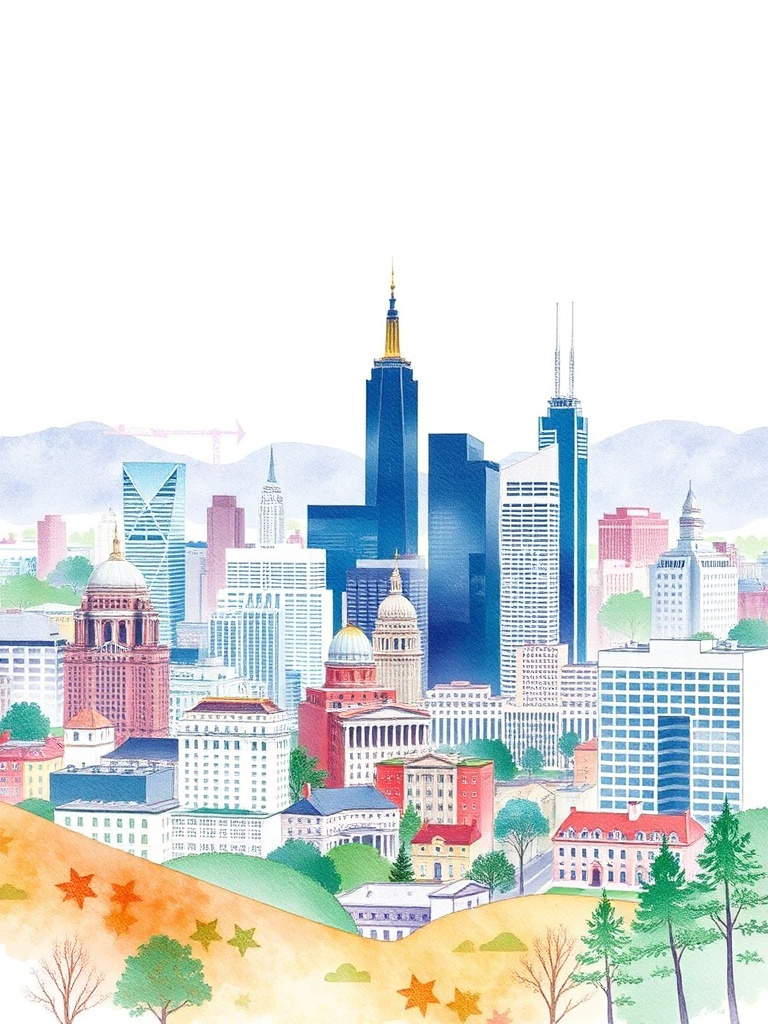
– Explore local markets and small restaurants for the most authentic culinary experiences.
Green spaces and outdoor life are integral to Atlanta’s appeal. Piedmont Park is a central recreational hub, and the city’s surrounding trails, riverfronts, and public gardens provide plenty of outdoor options. Seasonal festivals, farmers markets, and open-air concerts keep neighborhoods active and invite deeper engagement with local communities.
For anyone curious about a Southern city that balances history with modern momentum, Atlanta offers a rich palette of experiences — from cultural institutions and creative neighborhoods to food-forward dining and a lively business climate. Come with a flexible plan, explore at a neighborhood pace, and let the city’s layers unfold.