
 Emma Jantzen
 Bayou Life: A Guide to Living with Water, Wildlife & Culture
Bayou Life: Living with Water, Wildlife, and Culture
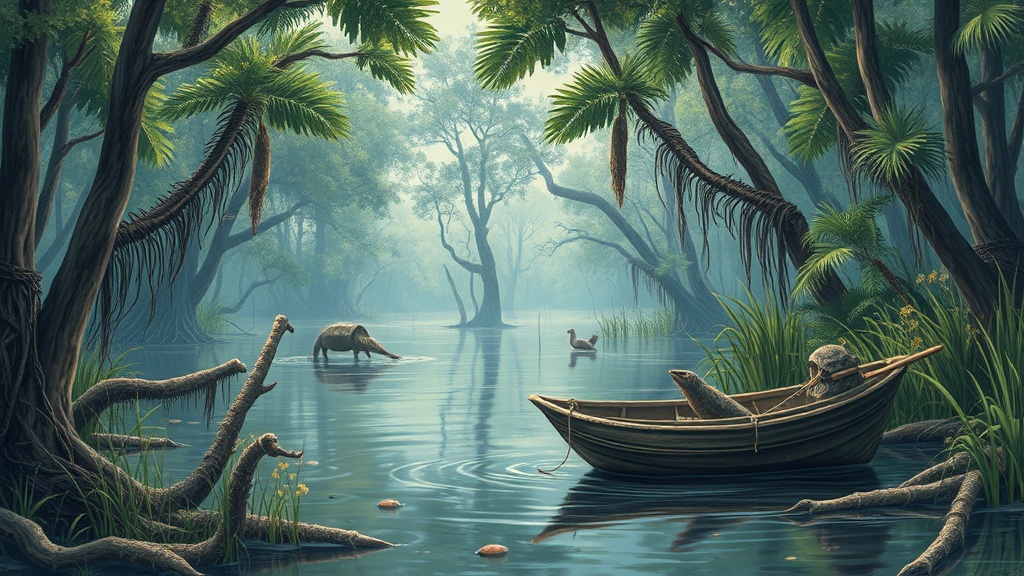
The bayou is more than a landscape — it’s a living mosaic of water, cypress knees, and a culture shaped by rhythms of flood and low water. From slow-moving backwaters to dense marshes rimmed with Spanish moss, bayou life blends rich biodiversity with storied human traditions. Appreciating that balance makes any visit or conservation effort more meaningful.
Wildlife and habitat
Bayous host a remarkable range of species: wading birds like herons and egrets, secretive turtles, otters, frogs that sound like an orchestra at dusk, and the occasional alligator sliding through tannin-dark water. Plant life often features bald cypress, tupelo, marsh grasses, and aquatic plants that filter water and stabilize sediment. These wetlands act as natural sponges that reduce flood impacts, sequester carbon, and support fisheries — benefits that extend far beyond the shoreline.
Cultural threads
Human communities along bayous have developed unique culinary, musical, and craft traditions. A kitchen built around seafood and rice yields classics such as gumbo, jambalaya, and simply prepared boiled crawfish. Musical styles like zydeco and Cajun tunes grew from gatherings where food, storytelling, and dance intersect. Boat-making traditions, from flat-bottom skiffs to hand-carved pirogues, reflect practical adaptations to shallow water and dense vegetation.
Responsible recreation
Visiting a bayou can be a soulful experience, but it requires responsibility.
Follow these practical tips:
– Respect wildlife: Observe from a distance; never feed animals.
– Choose low-impact tours: Small, quiet boats or guided paddling trips minimize disturbance. Airboats are thrilling but can damage vegetation and disturb nesting birds in sensitive zones.
– Pack smart: Bring insect repellent, sun protection, waterproof dry bags, and sturdy footwear. A binocular and a camera with a zoom lens enhance wildlife watching without intrusion.
– Leave no trace: Carry out trash, avoid trampling marsh plants, and stick to marked launch sites.
Fishing and foraging
Fishing remains a central bayou activity. Anglers target species like bass, catfish, and seasonal shrimp runs where permitted. Foraging for wild edibles—like certain marsh greens or oysters harvested from approved areas—connects people to place, but always check local regulations and advisories about water quality and sustainable limits.
Conservation challenges and actions
Bayous face pressures from shoreline development, pollution runoff, invasive species, and changing hydrology. Protecting these systems often involves partnerships between local communities, conservation groups, and responsible businesses. Supporting habitat restoration projects, advocating for sensible land-use policies, and patronizing local eco-conscious guides or markets channels resources where they matter most.
Photographing the bayou
The bayou is photogenic at any light.
Early morning mist and late-day golden hours create dramatic reflections.
For wildlife shots, patience and a long lens pay off. Respect quiet zones and nesting sites; slow, deliberate movement yields better images and healthier habitats.
Why it matters
Bayou life illustrates how human culture and nature intertwine. These wetlands support livelihoods, preserve cultural identity, and provide ecosystem services vital to regional resilience. Engaging with bayou environments thoughtfully — by learning local stories, supporting sustainable tourism, and promoting habitat protection — helps ensure that the slow rivers and their communities thrive for generations to come.
Whether exploring by kayak, sampling a neighbor’s gumbo, or volunteering on a shoreline restoration day, experiencing a bayou offers a hands-on reminder that water shapes place, culture, and life itself. Preserve it gently, and it will continue to teach and sustain.