
 Emma Jantzen
 Bayou Life: A Guide to Wildlife, Food, Music, and Conservation
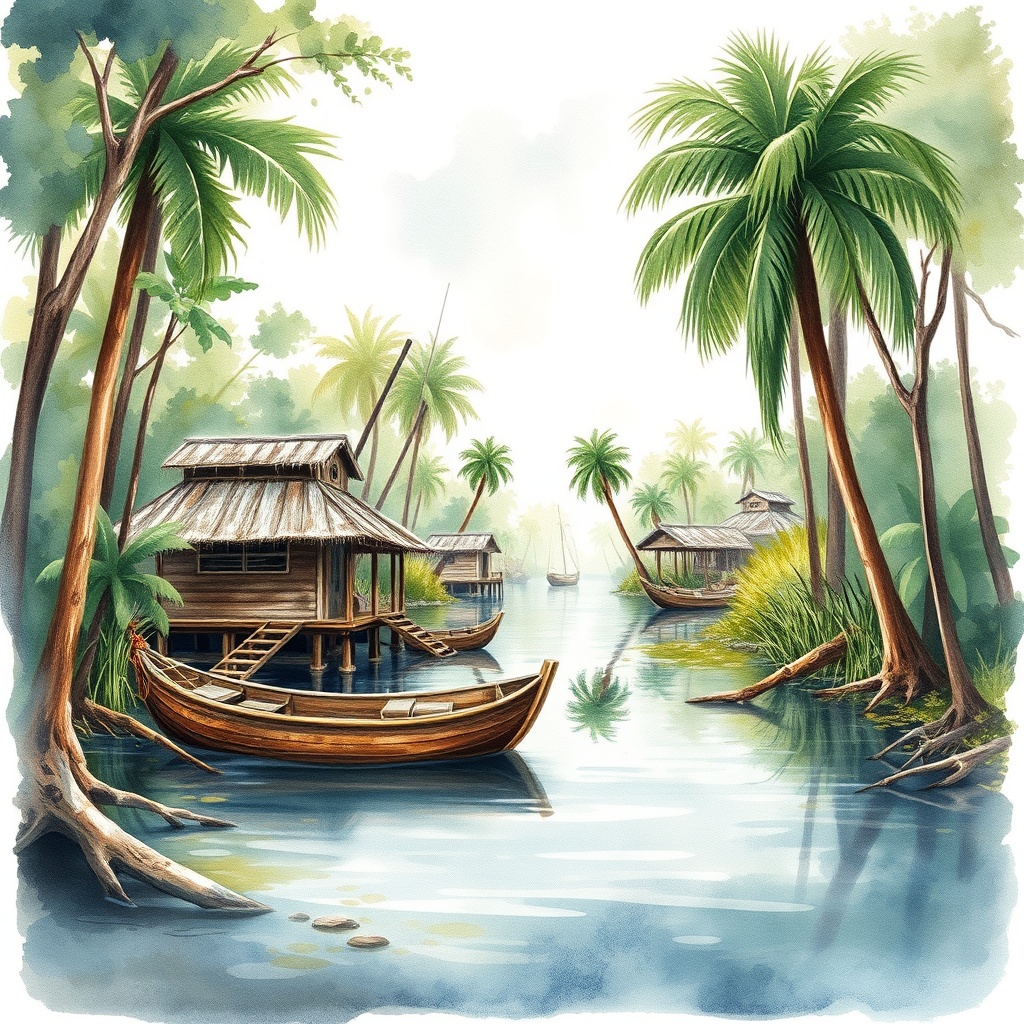
Bayou life is a blend of slow water, sharp flavors, and deep-rooted tradition. From the tangled cypress knees rising like silent sentinels to the honking of migrating waterfowl at dawn, the bayou holds a rhythm that guides local culture, foodways, and stewardship practices.
A landscape of gradients
Bayous are not one thing: they range from freshwater creeks winding through tupelo and bald cypress swamps to brackish channels where marsh grass meets salt. These gradients create habitat diversity: freshwater pools host frogs, turtles, and beavers; brackish backwaters attract shrimp, oysters, and salt-tolerant birds.
The slow-moving currents and periodic flooding deposit rich organic matter, fueling productive fisheries and fertile soils along the banks.
Wildlife and seasonal rituals
Alligators sun on muddy banks while kingfishers and herons hunt the shallows. Crawfish—central to both ecology and cuisine—burrow in the damp earth and emerge with changing water levels. Migratory birds flock to bayou edges during cooler seasons, turning quiet marshes into lively feeding grounds. Fish species follow water clarity and salinity, making local knowledge invaluable for successful catches.
Culinary culture: flavors of the water and land
Food is a lens into bayou identity. Dishes built around locally harvested seafood—gumbo thickened with roux and okra, etouffee of shellfish, and simple pan-fried fish—reflect the interplay between freshwater and coastal ingredients. Crawfish boils are social rituals, bringing neighbors together to crack tails and share spicy seasoning. Local markets and family-run restaurants champion seasonal catches and keep culinary traditions alive.
Music, language, and community
Bayou communities preserve distinct dialects and musical styles. Zydeco and Cajun music remain central to gatherings, with accordions, washboards, and lively two-steps setting the pace for dances that last into the night. Oral histories, crafts, and storytelling pass knowledge about tides, trapping, and harvesting from one generation to the next.
Conservation and resilience
Bayous face pressure from development, pollution, and changing hydrology. Saltwater intrusion and land loss alter habitats and threaten freshwater species and agriculture. Restoration efforts—marsh creation, oyster reef rebuilding, and managed sediment diversions—aim to restore natural processes and protect shorelines. Local stewardship initiatives often combine scientific monitoring with traditional ecological knowledge to adapt management strategies.
Responsible recreation: how to enjoy the bayou
Visitors can experience bayou life without disturbing fragile systems by following a few practices:
– Hire local guides who understand currents, private property, and wildlife patterns.
– Keep a respectful distance from wildlife, particularly nesting birds and alligators.
– Pack out trash and avoid single-use plastics; leave no trace of campfires or picnics.
– Prepare for insects with lightweight long sleeves, repellent, and breathable fabrics.
– Support local businesses by buying seafood from certified vendors and dining at family-run spots.
The future of the bayou
Sustaining bayou life depends on balancing human use with ecological function.
Collaborative conservation, community-led restoration, and mindful tourism help maintain the cultural and biological richness that defines these wetlands. For those who visit or call the bayou home, the invitation is to listen to its rhythms, respect its limits, and participate in keeping its waters and traditions vibrant for generations to come.
0 Comment