
 Emma Jantzen
 Bayou Life: A Traveler’s Guide to Wildlife, Culture, Kayaking, Photography, and Responsible Stewardship
Bayou life blends slow-moving waterways, rich wildlife, and a living culture shaped by water.
Whether experienced from a kayak, a flatboat, or the porch of a stilted home, the bayou offers a mix of quiet rhythms and vibrant traditions that attract nature lovers, photographers, and food enthusiasts.
Ecosystem and wildlife
Bayous are ribbon-like wetlands where freshwater and brackish habitats converge. Towering cypress trees draped with Spanish moss create shaded canopies while submerged roots stabilize the shoreline. Look for wading birds—herons, egrets, and ibises—probing mudflats at low water.
Turtles, otters, and bass populate quieter channels, while alligators sun on logs or slide silently beneath the surface. Invasive species and changing water chemistry can alter local balance, making conservation a daily concern for residents and researchers alike.
Culture and livelihoods
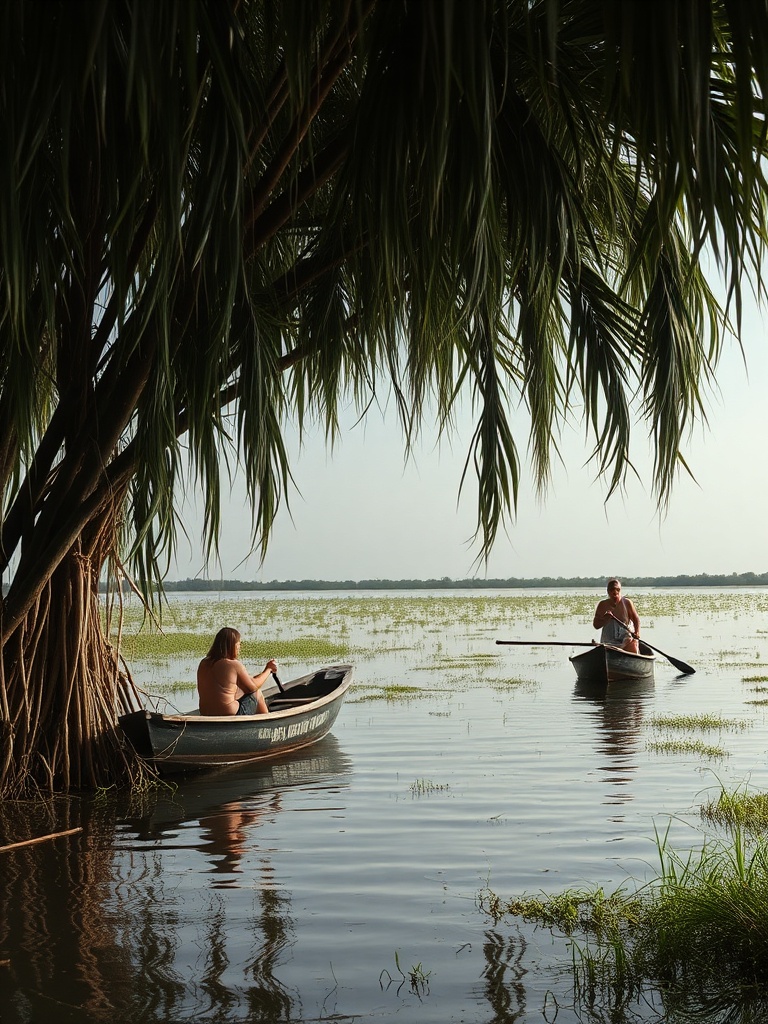
The communities along the bayou have deep connections to the land and water. Fishing, shrimping, and trapping remain important livelihoods, passed down through generations. Culinary traditions reflect that bounty: gumbo, jambalaya, and crawfish boils highlight seafood and local seasoning blends.
Music and storytelling are woven into gatherings; songs and spoken-word tales recall both work on the water and the cultural resilience of the people who call the bayou home.
How to experience the bayou responsibly
– Choose low-impact activities: paddleboarding, kayaking, and guided small-boat tours minimize shoreline erosion and disturbance to wildlife.
– Support local guides: they provide safe access, share cultural context, and funnel tourism dollars to the community.
– Respect private property and fishing regulations: permits and local rules help sustain fish stocks and protect habitats.
– Leave no trace: pack out waste, avoid feeding wildlife, and stick to marked launch sites to reduce habitat damage.
Photography and wildlife viewing tips
Golden hour and early-morning mist produce the most atmospheric photos—reflections and soft light accentuate the bayou’s textures.
Use long lenses for birds and shy mammals; a polarizing filter cuts glare and deepens colors. Move quietly and avoid sudden shifts in position; the best sightings come from patience rather than pursuit.
Practical safety
Mosquitoes and biting flies can be persistent—long sleeves, repellents, and headnets help.
Watch for submerged hazards like tree roots and shallow shoals when boating. Never approach or feed alligators; keep children and pets close to shore. Tides and local weather influence water levels quickly, so check conditions and tell someone your route before heading out.
Conservation and stewardship
Healthy bayous provide storm protection, water filtration, and critical habitat for migratory birds and fish. Restoration work—shoreline stabilization, marsh planting, and invasive-species control—supports both nature and local economies. Community-driven projects, volunteer opportunities, and responsible tourism are powerful ways to contribute to long-term preservation.
Why it matters
Bayou life is a living interplay of ecosystem services, cultural heritage, and everyday labor. Visiting with curiosity and respect reveals a landscape that sustains people and wildlife alike, while thoughtful stewardship helps ensure those waters and traditions remain for future generations. Explore the bayou slowly, listen to the stories that rise with the mist, and come prepared to learn as much as you photograph.