
 Emma Jantzen
 Bayou Life: A Traveler’s Guide to Wildlife, Food & Culture
Bayou life blends slow rhythms, rich flavors, and a deep connection to water and land. Whether experienced from a flat-bottom boat or at a table piled with seafood, the bayou is a living landscape shaped by tides, wildlife, and generations of people who call it home.
Sense and setting
A bayou’s atmosphere is immersive: towering cypress swamps draped in Spanish moss, mirrored water reflecting morning fog, and the steady soundtrack of frogs, cicadas, and distant boat motors. Navigation is often by narrow channels and backwaters, where the water’s surface reveals a world of turtles, herons, and the occasional alligator slipping beneath lily pads. Plants like tupelo, water hyacinth, and bald cypress anchor the ecosystem and provide shelter for birds and fish.
Food and culture
Culinary traditions are central to bayou life. Seafood—crawfish, shrimp, crab, and catfish—drives local recipes from boil pits to steaming pots of gumbo and jambalaya. Spices and influences from Creole and Cajun heritage create bold, comforting flavors: roux-based sauces, smoked sausages, and piquant remoulades. Meals are often communal, turning cooking into celebration and storytelling. Music—especially zydeco and Cajun accordion tunes—adds rhythm to gatherings, keeping cultural memory alive through dance halls and porch jams.
Ways to experience the bayou
– Paddle a canoe or kayak to reach quieter creeks and observe wildlife up close. Paddling lets you move slowly and quietly, increasing chances to see nesting birds and otters.
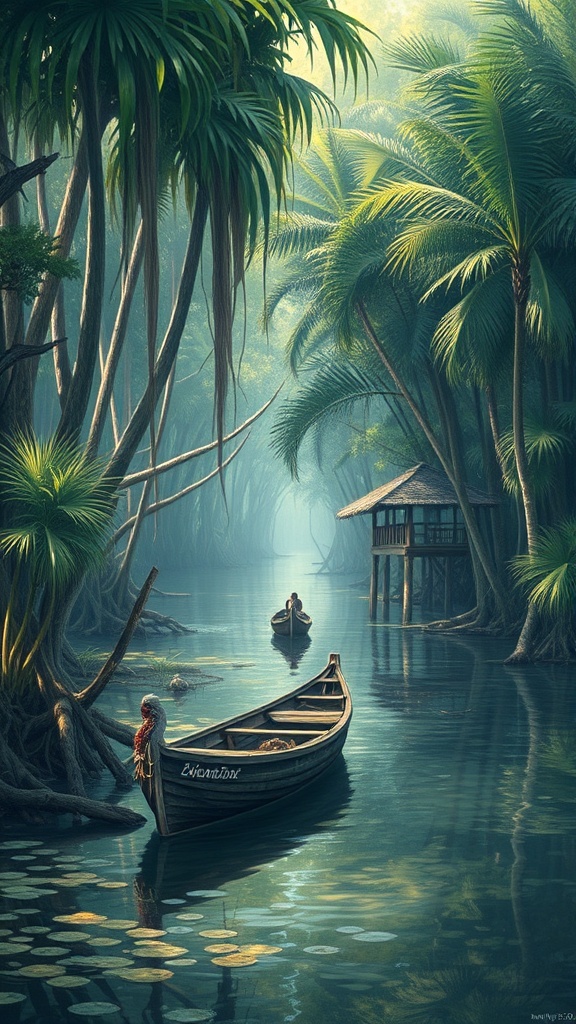
– Take a guided boat tour with a local naturalist to learn about plants, marsh dynamics, and fishing practices. Guides often share stories that reveal how families adapted to the water-rich environment.
– Visit farmers’ markets and seafood shacks to taste fresh-caught fish and local specialties. Seasonal events, from crawfish boils to music nights, showcase community life.
Safety and etiquette
Respect and caution go hand in hand around bayous. Alligators typically avoid people but can be attracted to food, so never feed wildlife. Mosquitoes can be persistent—wear insect repellent and lightweight long sleeves during dusk hours.
Watch tides and currents when boating; shallow channels can change quickly.
Practice leave-no-trace principles: pack out trash, avoid disturbing nesting sites, and support licensed, sustainable fisheries.
Conservation and resilience
Bayou communities are stewards of delicate wetlands that filter water, buffer storms, and support biodiversity. Threats such as pollution, invasive plants, and shoreline development challenge these systems. Local conservation efforts focus on habitat restoration, water-quality monitoring, and responsible land use. Supporting local seafood markets, eco-tours, and nonprofit initiatives helps keep bayou landscapes healthy while sustaining cultural traditions.
A living landscape
Bayou life is both practical and poetic—everyday tasks like fishing, boat maintenance, and garden tending are woven with folklore, music, and communal meals.
For visitors, the bayou offers a chance to slow down, listen, and taste a region shaped by water. For residents, it remains a place of resilience and deep attachment, where natural rhythms and human rhythms continue to influence one another. Whether drawn by wildlife, cuisine, or culture, those who spend time on the bayou often leave with a renewed appreciation for landscapes that connect water, people, and place.