
 Emma Jantzen
 Bayou Life: A Visitor’s Guide to Wildlife, Culture, and Responsible Exploration
Bayou life is a blend of slow water, dense cypress curtains, and a culture shaped by the rhythms of wetlands.
For anyone drawn to quiet waterways and rich biodiversity, the bayou offers an immersive experience where nature, food, and community intersect.
Daily rhythms and seasonal pulses
The bayou moves with subtle cycles. Morning mist lifts off still channels as songbirds begin their calls and herons stalk the shallows. Afternoon heat sends turtles sunning on logs and dragonflies flitting above lily pads. Night brings a different cast — calling frogs, the distant croak of bullfrogs, and the low rustle of nocturnal mammals.
These daily and seasonal shifts govern spawning, migration, and feeding, so timing a visit for early morning or late afternoon increases wildlife sightings and the magic of quiet water.
Wildlife highlights
Bayous support an array of life.
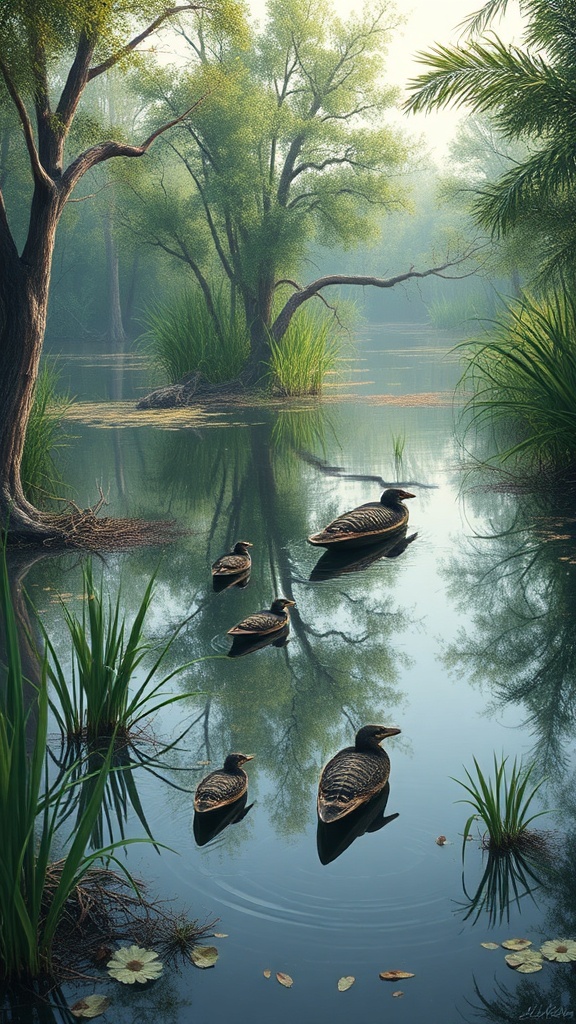
Wading birds — herons, egrets, and rails — are commonly seen probing mud and shallow water. Waterfowl use bayous as resting and feeding sites during migration. Reptiles like turtles and various snakes are part of the landscape; alligators are often present and deserve respectful distance. Fish species, both freshwater and brackish, sustain local anglers and form the base of the food web. Aquatic plants such as bald cypress, water lilies, and marsh grasses filter water and create habitat, while invasive species like water hyacinth can challenge ecosystem balance.
Cultural threads: food, music, and craft
Bayou communities have shaped distinctive culinary and musical traditions. Seafood and freshwater catch — shrimp, crab, catfish, and crawfish — are staples, prepared in stews, boils, and seasoned with local spice blends.
Music that grew from these places carries the cadence of the water: the bounce of zydeco, the soulful lines of blues. Handicrafts, from basket weaving to boat-building, often use materials harvested from the wetlands and carry stories across generations.
How to experience the bayou responsibly
– Paddle quietly: Canoes and kayaks minimize disturbance and open narrow channels inaccessible to motorboats.
– Keep distance: Observe wildlife from a distance and never feed animals.
Feeding alters natural behavior and can harm both wildlife and people.
– Pack out what you bring: Litter and discarded fishing line can entangle wildlife; leave no trace.
– Use mosquito-repellent strategies: Light-colored clothing, long sleeves during dusk, and effective repellents help.
– Hire local guides: They deepen understanding, support local economies, and enhance safety in complex waterways.
Conservation priorities
Bayous face pressures from development, pollution, invasive species, and changing water regimes. Protecting these wetlands is critical not only for biodiversity but also for shoreline protection, water filtration, and cultural heritage. Actions that help include supporting wetland restoration projects, reducing runoff from fertilizer and oil, joining or organizing shoreline cleanups, and advocating for policies that prioritize natural flood buffers.
Photographing and observing
For photographers and naturalists, patience and silence yield the best results. Use a telephoto lens to capture wildlife without intrusion. Stay on designated trails or launch areas to avoid trampling sensitive vegetation. Learn to read water and weather patterns — an incoming storm can transform a tranquil scene into a dramatic composition.
Bayou life is a study in interconnectedness: every reed, fish, and human action influences the whole.
Spending time there rewards curiosity and encourages stewardship, turning visitors into advocates for these essential and evocative landscapes.