
 Emma Jantzen
 Bayou Life: Culture, Cuisine, and Conservation of the Wetlands
Bayou Life: Rhythm, Resilience, and the Richness of the Wetlands
The bayou is more than a landscape — it’s a way of life shaped by water, wildlife, and culture.
From cypress-lined waterways to raised shotgun houses, bayou living mixes practical adaptation with a deep, sensory connection to the natural world. Whether you’re drawn by food, music, or wildlife, the bayou offers experiences that are both timeless and urgent to preserve.
Culture and community
Bayou communities have long blended Indigenous, French, African, and Caribbean influences into a distinct regional identity. Music — especially zydeco and swamp blues — keeps community ties strong through dance halls and house parties.
Festivals and local gatherings center on family, food, and storytelling, where recipes get passed down and oral histories reinforce a collective sense of place.
Cuisine that tells a story
Bayou cuisine is a direct line to the landscape. Dishes built around okra, file, roux, and fresh seafood reflect seasons and tides. Staples like gumbo, jambalaya, and crawfish boils are as much social rituals as meals, bringing neighbors together over communal tables. For visitors, sampling locally prepared dishes is one of the most authentic ways to connect with bayou life — and supporting small restaurants and fishers helps sustain the local economy.
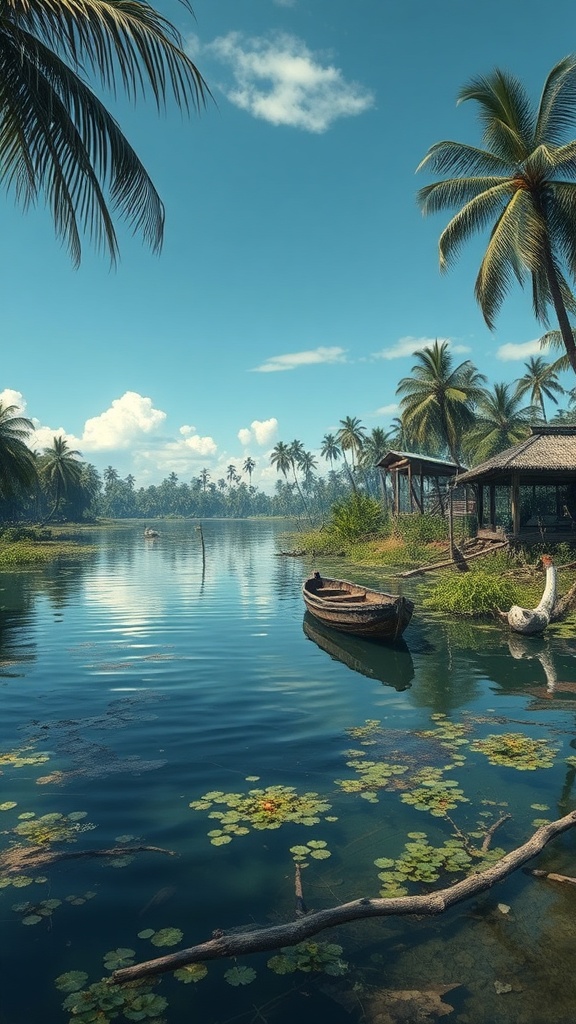
Wildlife and the working wetlands
The bayou supports a remarkable array of species: wading birds, otters, alligators, turtles, and a variety of fish. Many livelihoods depend on the wetlands — shrimpers, oystermen, crabbers, and anglers read tides and seasons the way farmers read the sky.
The wetlands also serve a crucial ecological role as natural storm buffers and carbon sinks, filtering water and absorbing floodwaters.
Challenges and adaptation
Bayou communities face pressing environmental pressures. Coastal erosion, saltwater intrusion, and land subsidence combine with more intense storms to threaten homes, marshes, and infrastructure. Invasive species, such as nutria and fast-growing aquatic plants, can degrade marshes and undermine native habitats. Communities are responding with a mix of traditional knowledge and modern techniques: elevating homes, restoring marshes, building living shorelines, and using controlled freshwater diversions to rebuild sediment-rich habitats.
Conservation and community-led solutions
Conservation efforts increasingly emphasize working with local stakeholders. Projects focused on marsh creation, barrier island restoration, and sustainable fisheries management aim to maintain both ecological function and cultural continuity. Supporting local conservation groups, buying seafood from certified sustainable sources, and advocating for policies that protect coastal wetlands are practical ways to help.
Responsible visiting
If visiting the bayou, prioritize low-impact experiences: hire local guides, stay on marked paths, and respect private property. Mosquito repellent, sun protection, and waterproof footwear enhance comfort. Observe wildlife at a distance and avoid feeding animals. Choose eco-conscious tours that invest back into the community and local conservation.
Why it matters
Bayou life weaves together human resilience and ecological richness. Preserving those wetlands safeguards biodiversity, protects coastal communities, and keeps cultural traditions alive. Whether you’re drawn to the music, the food, or the quiet of a foggy cypress stand, the bayou rewards curiosity with deep, lasting connections — and asks for mindful stewardship in return.