
 Emma Jantzen
 Bayou Life: Ecology, Cajun Culture, and Sustainable Travel Tips
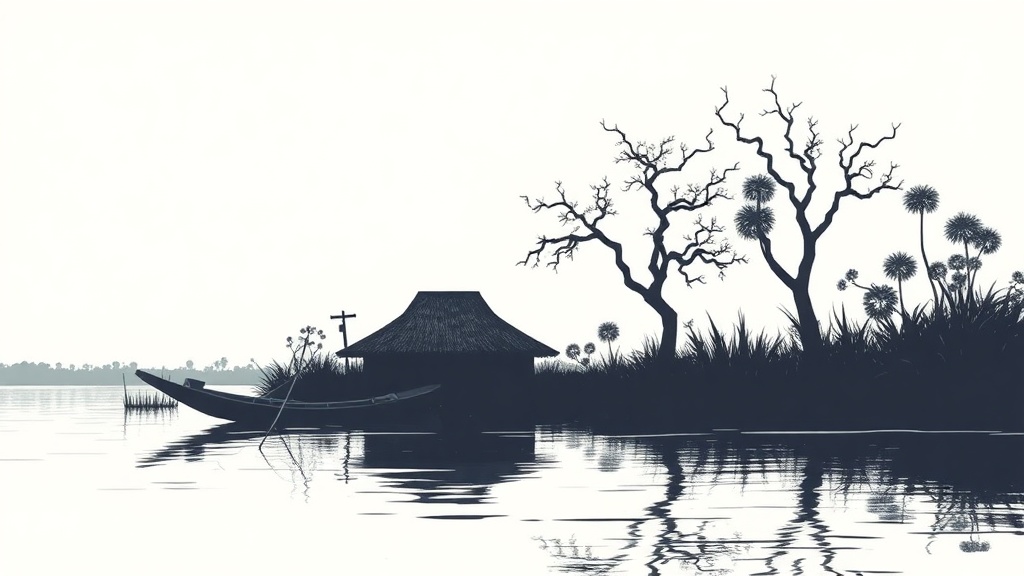
Soft morning light filters through curtains of Spanish moss, and the bayou wakes with a hush of wings and water.
This unique landscape—where slow-moving water threads through cypress knees and marsh grasses—supports a way of life shaped by rhythm, patience, and a deep connection to the land. Bayou life blends rich cuisine, resilient communities, and a complex ecosystem that demands respect.
The ecology is compelling: bald cypress and tupelo trees stand like sentinels, their roots forming knobby knees that stabilize soft soils. Marsh grasses and submerged aquatic vegetation trap sediment and nourish juvenile fish. Wading birds—herons, egrets and roseate spoonbills—probe shallow water while turtles and alligators claim sunlit logs. Beneath the surface, catfish, bass, and shrimp thrive alongside smaller forage species that sustain the food web.
Culture grows out of that environment.
Meals are an expression of place—gumbo, jambalaya, and étouffée evolved from mixing Indigenous, French, African and Caribbean influences with local ingredients. Crawfish boils bring communities together on long tables, while fish fries and seafood shacks celebrate the harvest of bayou waters. Music—accordion-driven zydeco and fiddle-backed Cajun songs—carries stories of work, family, and the land itself.
Boat-making, trapping, and small-scale fishing passed down through generations preserve skills adapted to shifting water and weather.
Life on the bayou is also defined by constant change. Saltwater intrusion, land subsidence and coastal erosion alter freshwater marshes into open water. Invasive species and pollution stress native populations. At the same time, people are innovating: marsh restoration projects, living shorelines, and controlled sediment diversions strive to rebuild habitat and protect communities.
Local stewardship—by fishermen, landowners, tribes and conservation organizations—plays a crucial role in balancing livelihoods with ecological recovery.
Experiencing the bayou can be transformative when done responsibly.
Recommended ways to connect:
– Take a guided eco-tour with a local operator who follows wildlife-safe practices.
– Eat local and seasonal seafood; ask about sustainable sourcing at markets and restaurants.
– Support nonprofit and community restoration efforts with donations or volunteer time.
– Respect private property, wildlife, and quiet hours—much of bayou life depends on peaceful coexistence.
– Reduce single-use plastics and properly dispose of bait and fishing line to protect wildlife.
Economic pressures and climate-related shifts create tough choices for bayou communities, but tradition and adaptability remain strong assets. Small-scale enterprises—guiding, craft-making, and culinary tourism—are finding new markets while older industries adapt gear and practices to changing conditions.
The bayou is a place of contrasts: abundant life in a fragile setting, deep-rooted culture alongside rapid change.
For visitors and locals alike, understanding the connections between water, land, and livelihood is key to enjoying and preserving this landscape. By choosing ethical experiences, supporting restoration, and honoring local knowledge, people can help ensure the bayou’s stories and species continue to thrive for generations to come.