Emma Jantzen
 Bayou Life: Ecology, Culture, Wildlife & Sustainable Travel
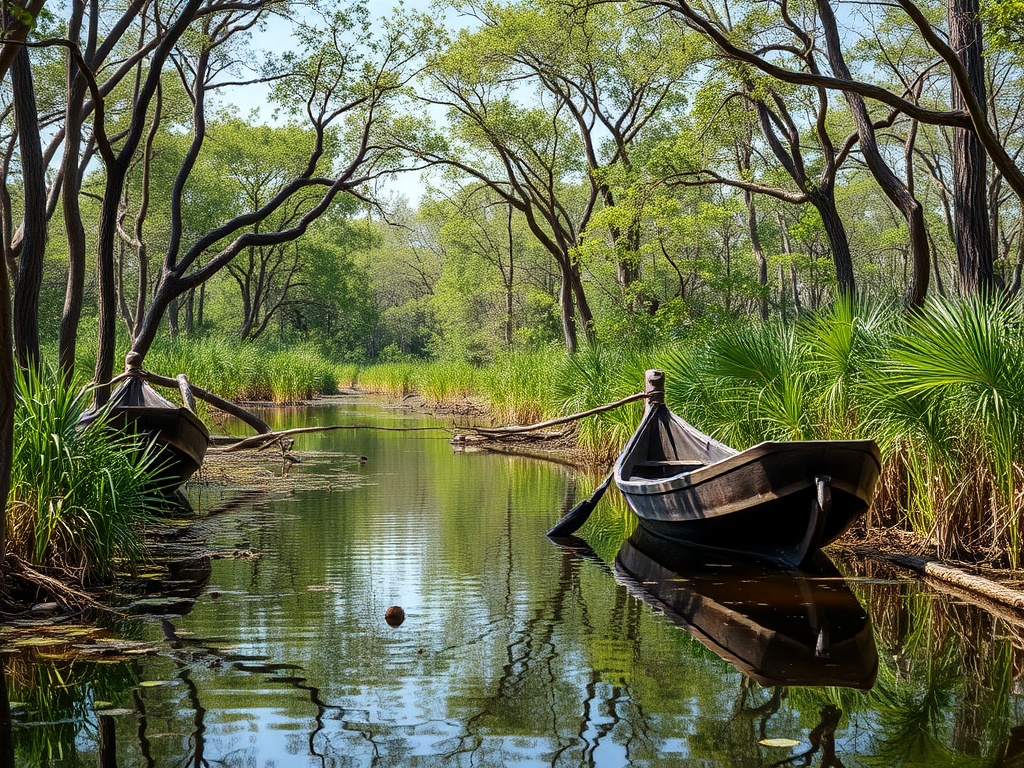
Bayou life is a sensory tapestry—thick humidity, cypress knees breaking the glassy water, the steady call of herons and the distant rasp of a fiddle. For anyone drawn to wetlands, the bayou offers a blend of wild ecology and resilient culture that continues to fascinate and sustain communities.
What makes the bayou special
– Ecology: Bayous are slow-moving waterways framed by marshes and swamps. They act as natural filters, nurseries for fish and crustaceans, and critical buffers that absorb storm surge and reduce coastal erosion. Cypress and tupelo trees anchor the landscape; their root systems trap sediment and support a web of life from amphibians and turtles to migratory birds.
– Culture: Bayou communities are cultural mosaics. Cajun and Creole traditions remain living practices—language, music styles such as zydeco, and foodways centered on seafood and the harvest cycle. Social gatherings like crawfish boils and porch-front jams reinforce community bonds and invite visitors to share a slower rhythm of life.
Wildlife to watch for
Alligators are a signature species—observing them from a respectful distance is essential.
Wading birds (egrets, herons), raptors, and colorful songbirds are common.
Beneath the surface, fish species, shrimp and crustaceans like crawfish and blue crabs thrive. Saltwater intrusion, pollution and invasive species such as nutria can threaten this balance, so conservation remains a daily concern.
Sustainable experiences for visitors
Ecotourism offers a low-impact way to experience the bayou. Choose certified guides who practice responsible boating—not speeding through vegetation, avoiding nesting areas, and keeping noise to a minimum. Best practices for visitors:
– Keep distance from wildlife and never feed animals.
– Pack out all trash; use reusable water bottles and containers.
– Wear insect repellent, sun protection and water-resistant footwear.
– Respect private property and local customs; get permission before photographing people.
Food and festivals
Bayou cuisine is rooted in place—gumbo, jambalaya, and stews built on slow-cooked stocks, robust spices and fresh seafood. Street-side shack meals and community events offer authentic flavors that reflect seasonal harvests. Festivals and live-music nights provide lively ways to connect with local traditions while supporting small businesses.
Conservation and community resilience
Wetland restoration projects and community-led initiatives are critical for preserving bayou landscapes. Planting native marsh grasses, rebuilding barrier islands, and managing invasive populations help maintain the ecological functions that protect inland communities from storms and economic disruption. Supporting organizations that work with local fishers, tribal groups and landowners strengthens social resilience while advancing habitat protection.
Practical tips for deeper engagement
– Book tours with guides who explain ecology and cultural history.
– Buy local—seafood, crafts and food vendors directly benefit bayou families.
– Learn basic safety around water and wildlife before you go.
– Consider volunteering for habitat restoration days or supporting local conservation groups.
Bayou life blends stillness and vitality: an ecosystem that feeds bodies and imaginations, and a culture that honors kinship with the land and water. Visiting thoughtfully and supporting restoration helps ensure these landscapes and traditions remain vibrant for generations to come.