
 Emma Jantzen
 Bayou Life: Exploring Wetlands Ecology, Wildlife, and Local Culture
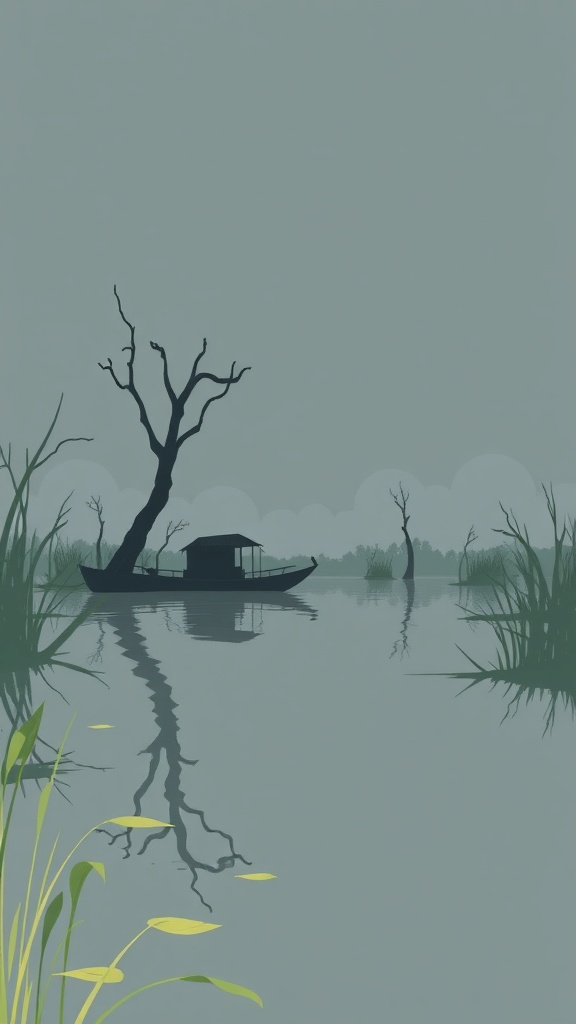
The bayou is more than a landscape — it’s a living tapestry where water, wildlife, and people weave a rhythm all their own. Quiet channels thread through cypress knees and tupelo trees, Spanish moss drapes like curtains, and the air hums with insects, songbirds, and the distant beat of a fiddle or accordion. Bayou life blends food, work, and culture around the water’s edge, shaped by tides, storms, and long-held traditions.
A working ecosystem
Bayous are vital wetland systems that filter water, slow storm surge, and support a rich food web. Shallow marshes and backwaters teem with shrimp, crawfish, catfish, and baitfish that feed wading birds and larger predators. Look closely and you’ll find herons stalking the shallows, egrets flashing white against the reeds, and alligators sunning on logs.
Submerged vegetation stabilizes sediment and provides nursery habitat for juveniles — protecting this vegetation is key to keeping the whole system healthy.
People and place
Communities along the bayou have cultivated ways of living that honor the ebb and flow of water.
Fishing, trapping, shrimping, and small-scale farming are common livelihoods, while boatbuilding and oystering reflect deep craftsmanship. Cultural traditions — from Cajun and Creole cooking to zydeco music and second-line parades — are rooted in the landscape and the seasons. Meals drawn from the bayou, like crawfish boils, gumbo, and smoked fish, tell stories of place: simple ingredients transformed by technique and community.
What visitors should know
– Respect private land and local customs.
Many waterways run past family properties and working docks. Ask before landing or taking photos of private operations.
– Travel quietly and keep to marked channels. Excessive wake damages shorelines and submerged plants; slower speeds protect nests and young wildlife.
– Pack out what you bring in. Litter and discarded fishing line are deadly to birds and mammals.
– Use repellents and protective clothing. Mosquitoes and biting flies are part of the environment; being prepared makes the experience more enjoyable.
– Support local businesses. Taking a guided swamp tour, eating at a neighborhood restaurant, or buying from local fishers helps sustain livelihoods tied to the bayou.
Challenges and stewardship
Bayou environments face pressure from development, pollution, and changing water patterns. Sediment loss and erosion can accelerate when natural river flows are altered, while runoff carries nutrients and contaminants that fuel harmful algal growth.
Community-based restoration — living shoreline projects, marsh grass planting, and oyster reef reconstruction — are practical ways to rebuild resilience. Reducing stormwater runoff in nearby towns, restoring tidal flow where feasible, and supporting sustainable fisheries practices extend benefits downstream.
An invitation
Experiencing the bayou is about slowing down: listening to frogs at dusk, watching light pour through cypress trunks at dawn, and sharing simple food while stories pass across a picnic table.
Whether you’re casting a line, photographing birds, or simply drifting under a canopy of moss, approach with curiosity and care. Protecting these wetlands preserves not only habitat and livelihoods, but also a unique way of life that continues to teach how people can live with — rather than against — the water.